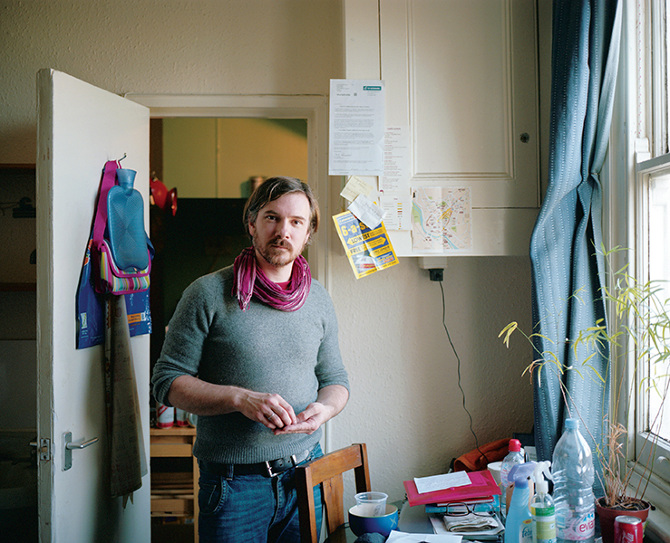
THEORETICAL RESEARCH – FAMILY

I read an interesting extract from “Train Your Gaze: A Practical and Theoretical Introduction to Portrait Photography”. It talks about Larry Sultan’s ‘Pictures from Home’ project and the challenges of photographing your own parents. “What drives me to continue this work is difficult to name. It has more to do with love than with sociology. With being a subject in the drama rather than a witness. And in the odd and jumbled process of working, everything shifts: the boundaries blur, my distance slips, the arrogance and illusion of immunity falters. I wake up on the middle of the night, stunned and anguished. These are my parents. From that simple fact, everything follows.”

Photographing family can be a difficult subject to document. It means different things to different people. In Leonie Hampton’s ‘In the Shadow of Things’, her documentation of her mum lead her to take a step back and understand the topic differently. For Sultan he talks about a conversation with his mum where she didn’t like the photo so much that she told people it wasn’t him that took it.

Photographers that work with their family cannot avoid being included. Emma Hardy documented her family as they grow up. As a viewer you almost feel part of the journey as the children grow up and move out. The images reflect the emotional state of Hardy herself. I recently looked into the relationship between photographer and subject, in the family photos there is normally a strong personal connection. We begin to understand the relationship, especially through projects such as Hardy’s where it is across a long time scale. “There is a different psychological charge to the pictures I’ve made with her compared to our relationship without a camera between us.”

Photographers who have approached the theme of family have said you have to be sensitive about what you release into the world and how it can affect the subject. Although your family are likely to let you in on their more private emotions and moods, you have to be respectful.

In conclusion, family is a challenging topic to document. You have to see things from a distance but still be able to portray emotions. It’s interesting that even just documenting everyday life with your family over time can become a story of relationship changes. When photographing the people I live with I need to keep in mind the complexity behind it and not just the technical parts.
VISUAL RESEARCH – LEONIE HAMPTON

I went to a talk earlier in the year by Leonie Hampton. Her project ‘In the Shadow of Things’, documents her mum and family as her mum works through her OCD. I thought this would be interesting to look into as I am going to try photograph my families lives and the way Hampton took on the project was intriguing.

The ‘In the Shadow of Things’ project included transcripts from recorded conversations, video, images and a book which is open for a layered experience of discovery.

For Hampton, the experience was important for her personally. It allowed her to change her own perception of the subject, which was her mum. She said in the talk that the camera allows you to get close to the subject but also see it from a distance. She said that when photographing mental illness and other difficult subjects it is important to be aware of what you think you know. This is why it is important that I really research into the subject I am documenting. Although Hampton said, discovering new things you didn’t know can be exciting when learnt through practice.

Her ideas about documenting something already personal to you is interested. When I photograph my family I almost want to try see it as someone who doesn’t them. This could let me photograph in a different way.

RESEARCH – FAMILY

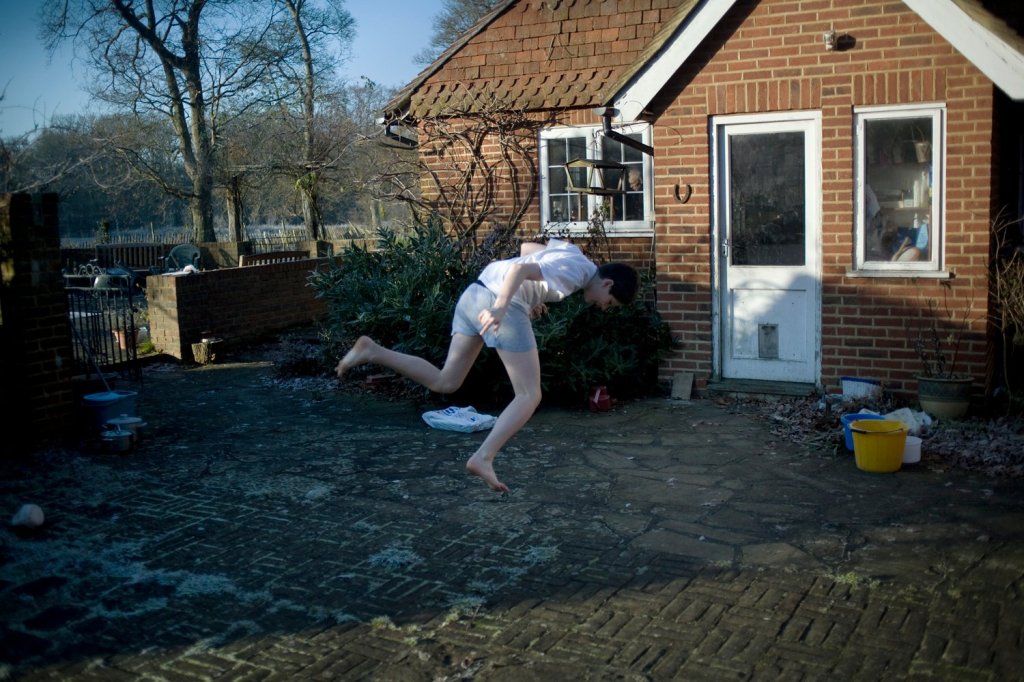
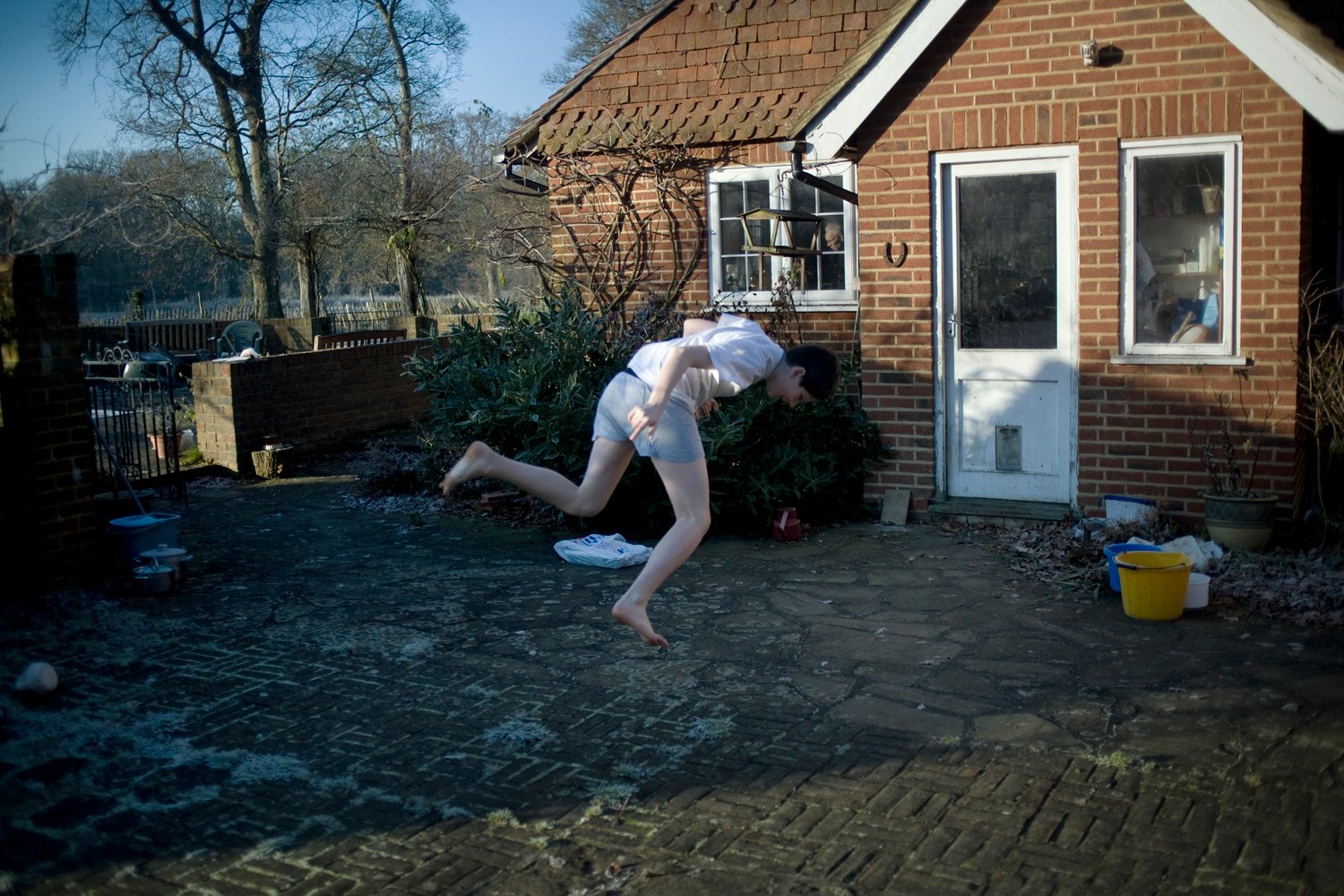
As I am now back home isolating with family I looked at two British Journal of Photography articles looking at people who photograph family. I find it quite funny as I have always taken snapshots of my family for my own memory so to properly document them would be something new for me. The first article has Christopher Anderson, Sian Davey and Phillip Prodger from the National Portrait Gallery talking about the subject of family.

Sian Davey started photographing her children when she decided to focus on photographing things that happen everyday instead of travelling the country doing projects. When publishing them she ceased “to see them as my children, they’re representations of my children”. This means she almost disconnects herself from the work. Christopher Anderson says the dilemma is choosing what image to put out there. He says, “It’s his life and I’m more conscious about that”. Anderson did a series about his son growing up. This personal project led him to represent other projects differently. Whether he is working on a personal project or a commission of someone famous, he looks for ways to communicate something of the experience he has with that person.

In another article Tim Clark talks about how family is a good subject as everyone can relate to it.

PART 2 INITIAL IDEAS

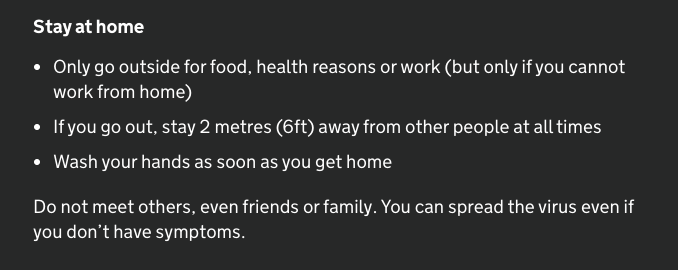
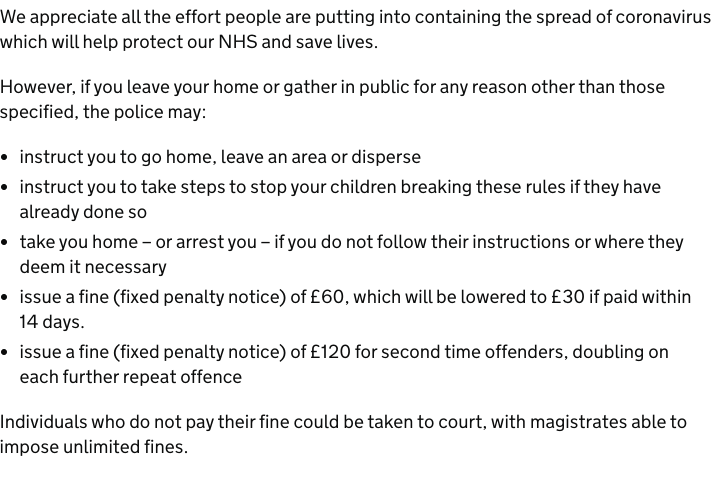
The current situation is that the UK is on lockdown. You can only go out for work, food and one exercise per day. This has obviously made it difficult for photography. These are some of the guidelines from the Government to give more understanding on the situation.

This is a strange time for everyone as nothing like this has happened before. People are feeling scared, alone and unsure of what is going to happen. This is something many people are feeling as we are all experiencing the same thing. The obvious thing to photograph would be about the Coronavirus, documenting the feelings associated with it. There are many things that have changed that I think would be interesting to capture. Especially as this will be something interesting to look back on in the future. Things such as the empty super markets shelves, the long queues to get into a shop and the empty roads at rush hour are just a few of the changes that can be seen in society.

PART 1 EVALUATION

Considering the circumstances, I am happy with how this project went. I would of reshot a few images and photographed many more people if I had the opportunity. I have a list of people I can photograph in the future, so at some point I think I will be able to complete this project.

I enjoyed this project as it was challenging but exciting to always be shooting in new locations. It was difficult not always knowing what the place looked like before I got there but I learnt to quickly adapt to the environment. I also developed my skills of shooting using challenging lighting.

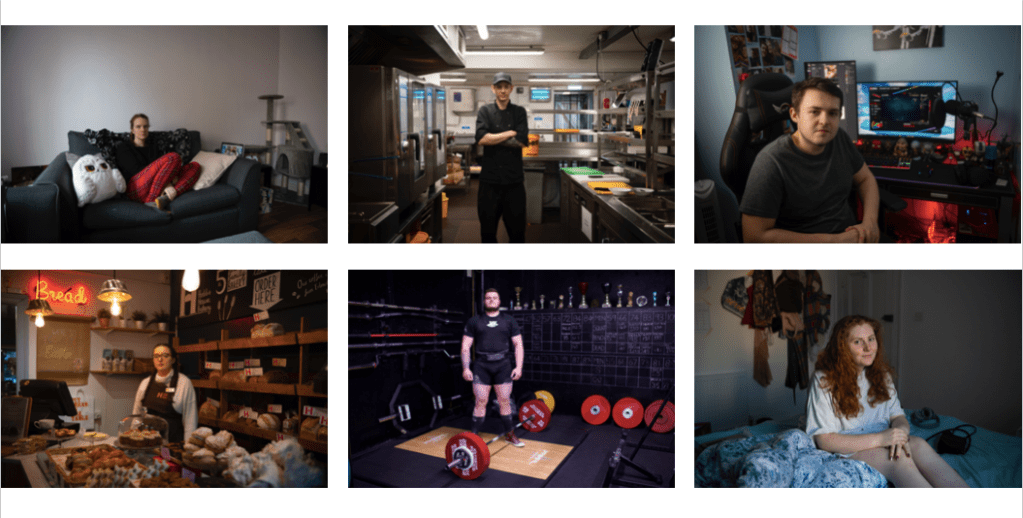
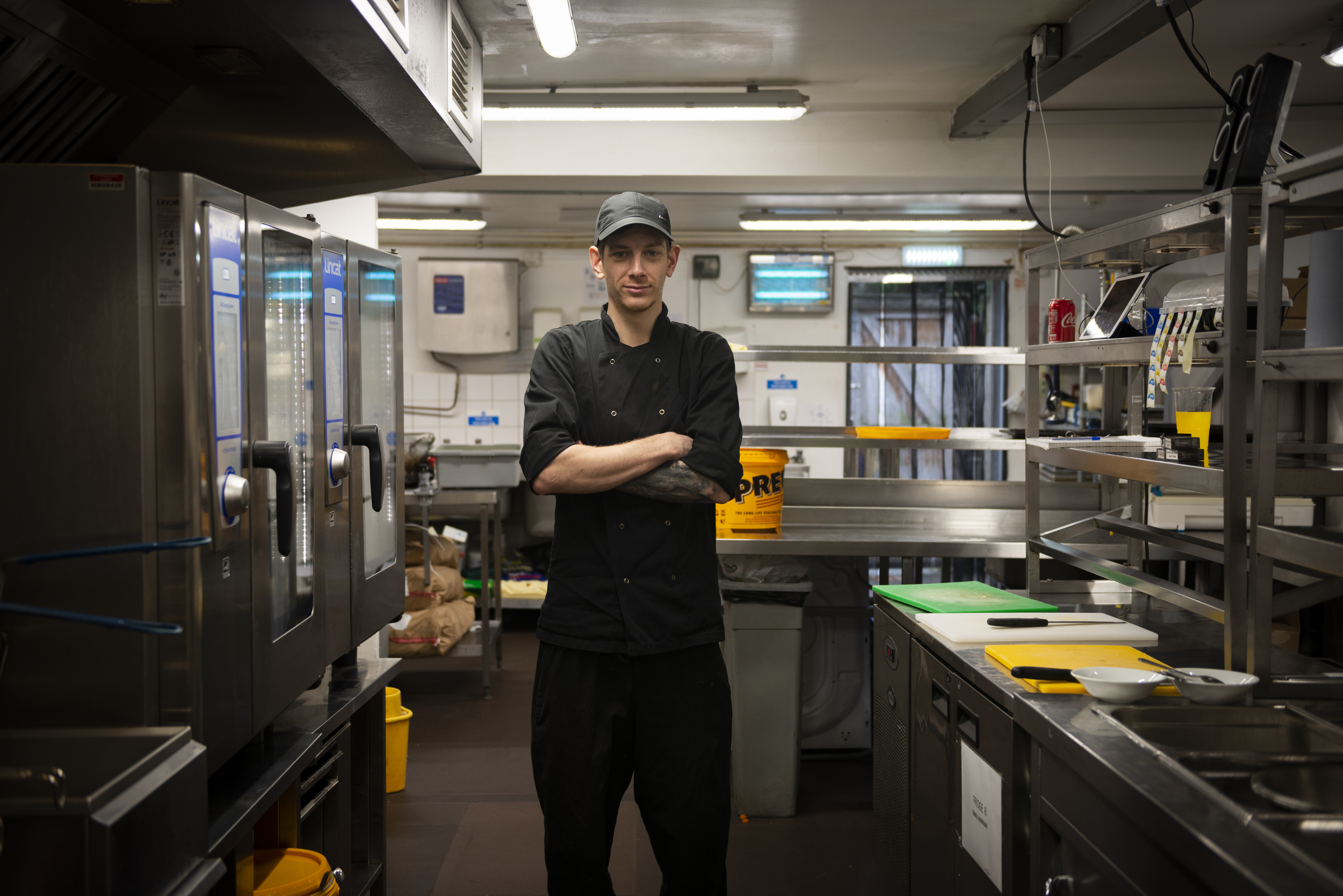
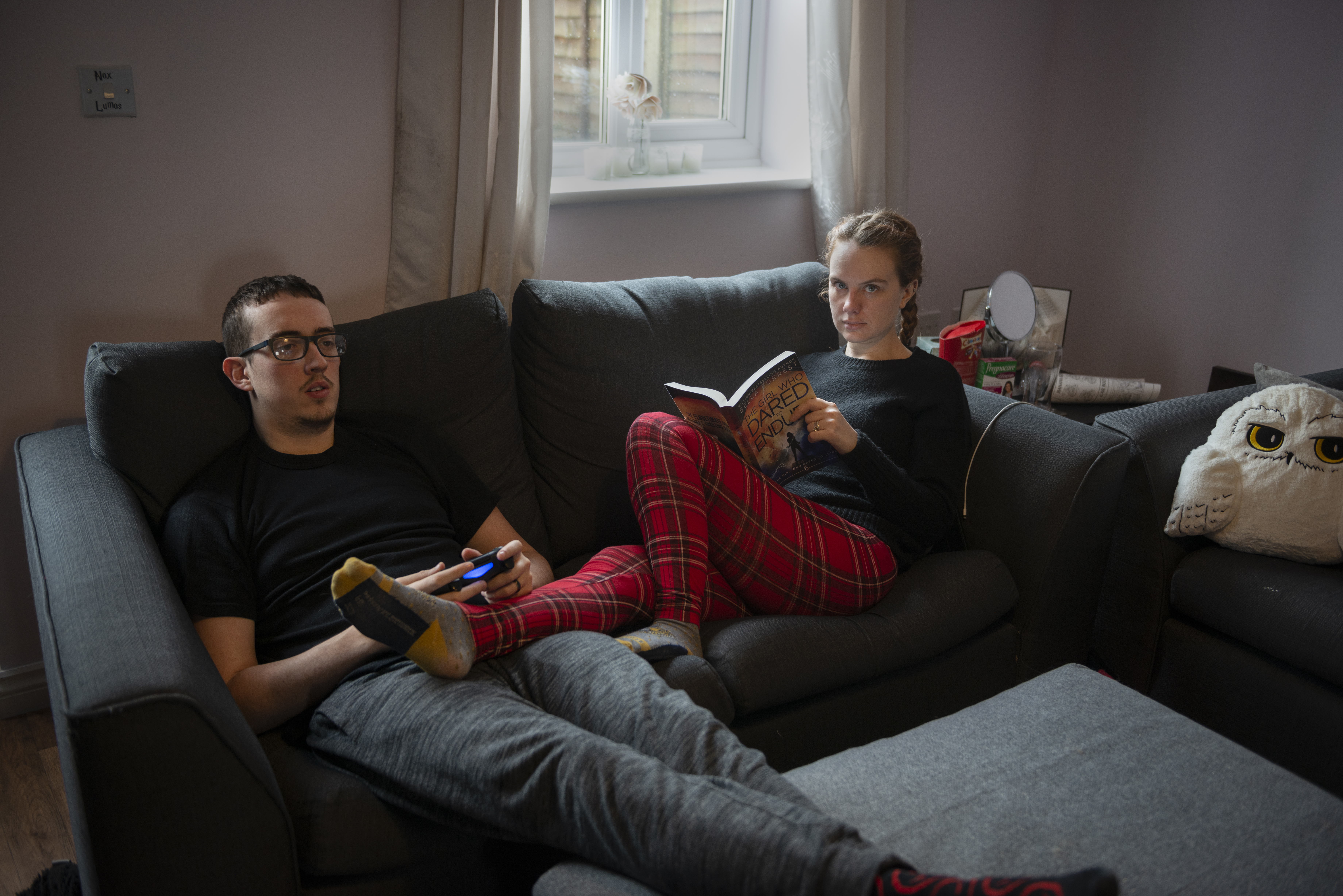
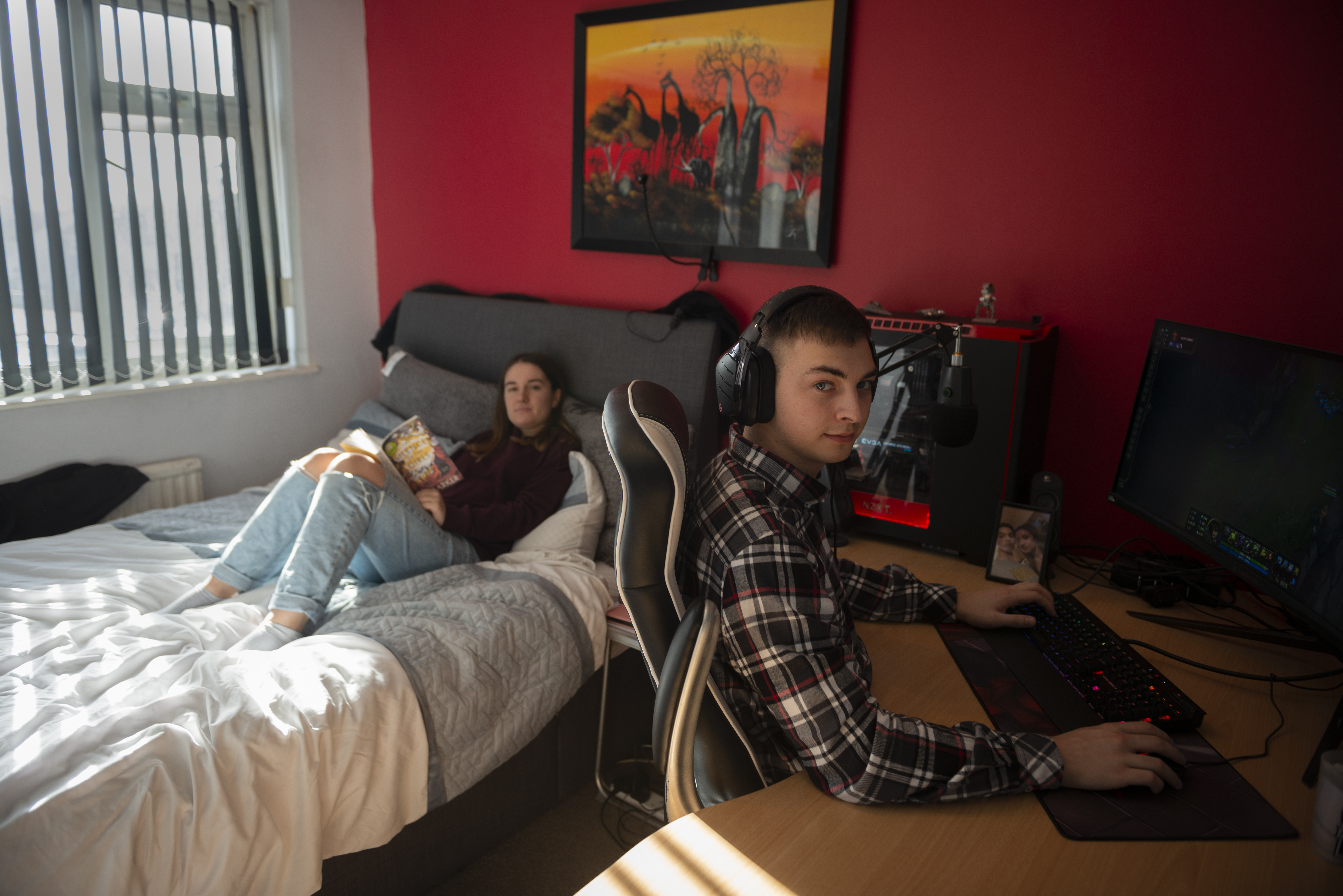
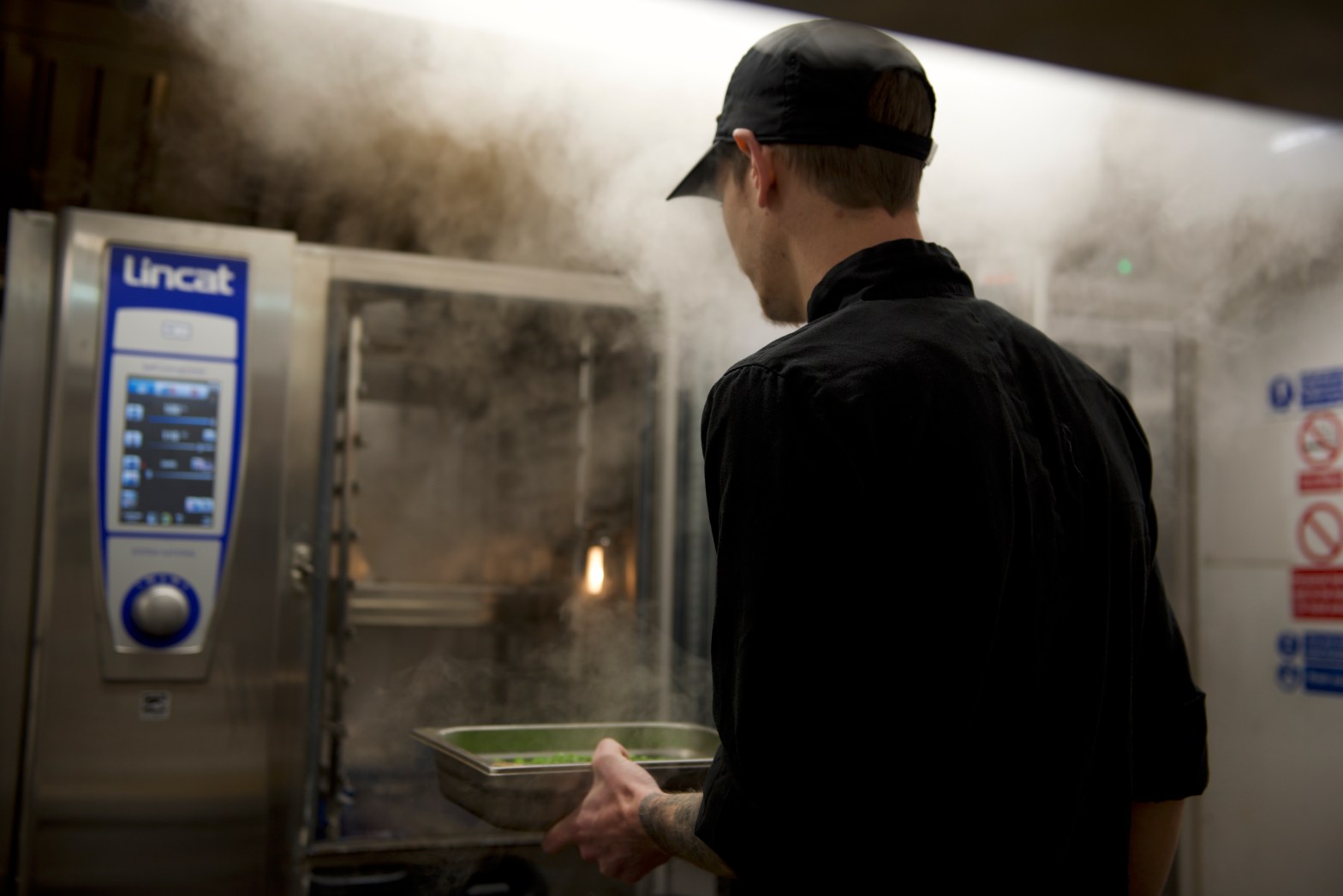
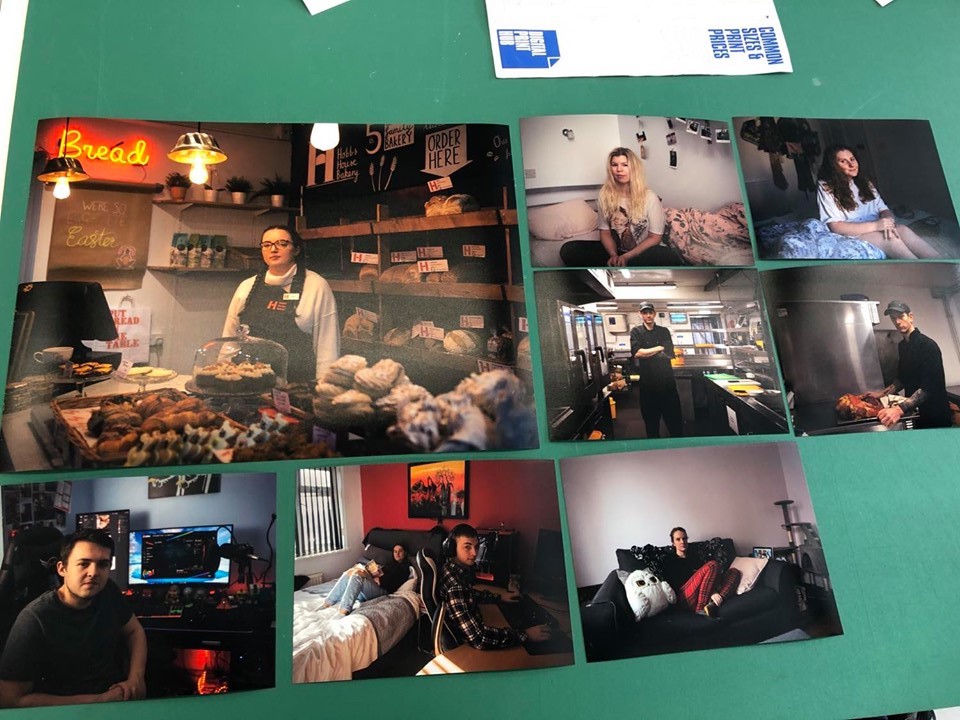
The final images I will keep (top middle, bottom left and bottom right) were really successful. Despite all being quite different and using different lighting, they work together. I had a lot of decision on whether to try and make them look more similar but I’m glad I went with my judgement as they work well.

My aim for this project is to show that people around the ages of 22-24 are all doing different things and this is normal. There is no set path or thing you should be doing in your life. From looking at this set of images, it shows the different jobs, hobbies and rooms which portray my message. I am still unsure where my module will go from here but from what I have learnt in this project is to make sure I am happy with the images while I am still doing the shoot. This will save me having to reshoot what I have already done. Also if I am doing portraiture I need to be aware of the angle I am taking the image at, I am looking down on the subject too much.

Overall I was happy with the progression of this project and I look forward to hopefully complete it in the future.

EXHIBITING WORK

Although I can not exhibit my work, I am going to research and decide how I would display my work. I had already decided on my paper which I would print on, I would print on Pearl paper on the large format printer. I was not able to print larger since my tutorial where they recommended printing bigger. I would not want it much bigger, so I would probably print around 12×18 size.

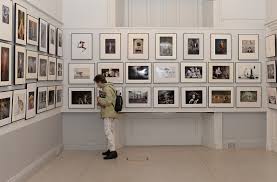
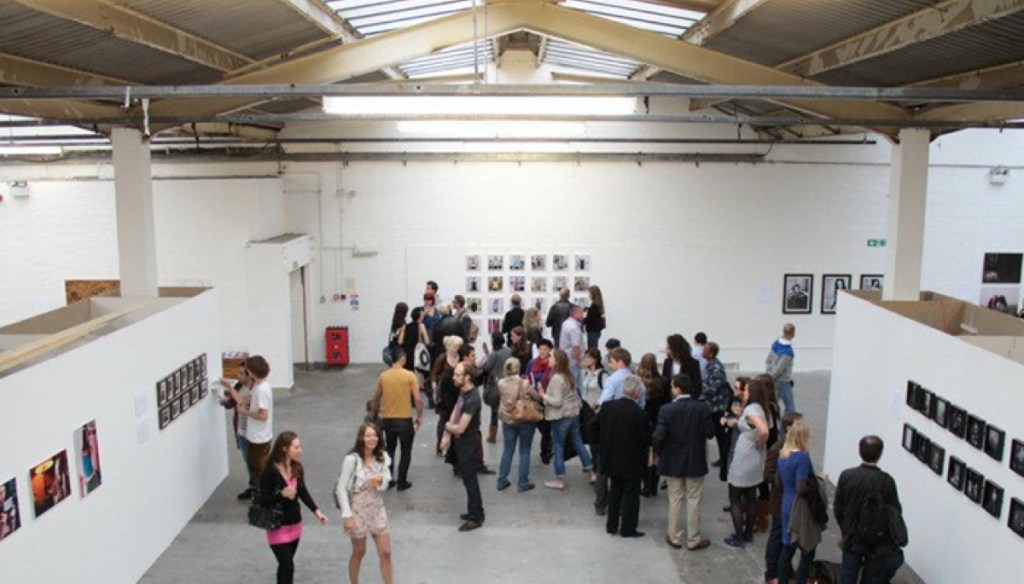
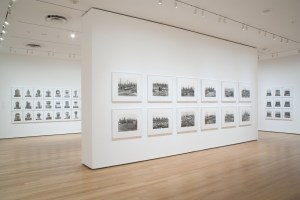
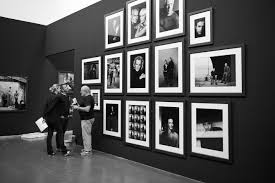
We were meant to be displaying our work in London, in the Free Range show. I have never been to it before so i searched pictures of it for inspiration. The only other time I have ever displayed my work in an exhibition was the Photocopy Club exhibition.

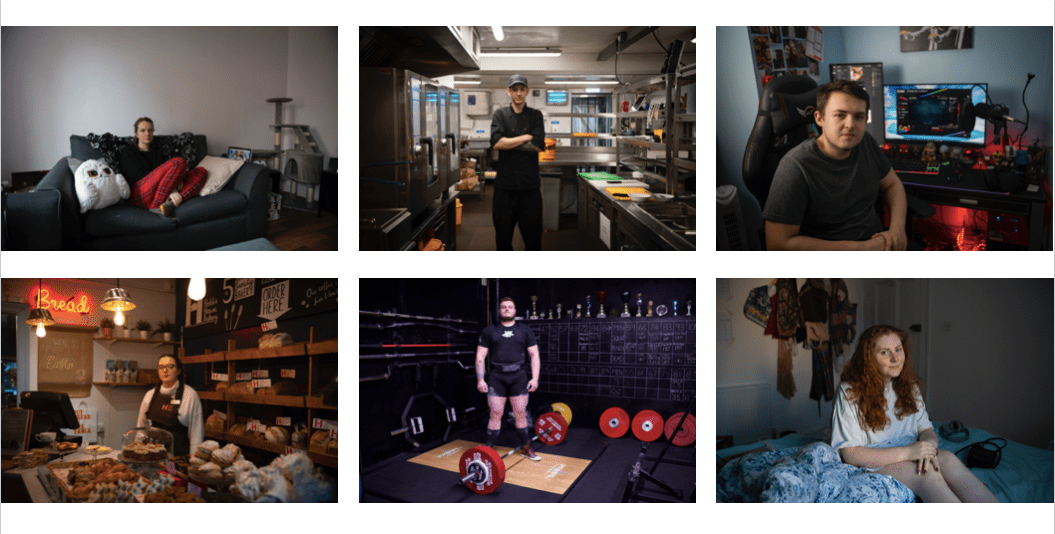
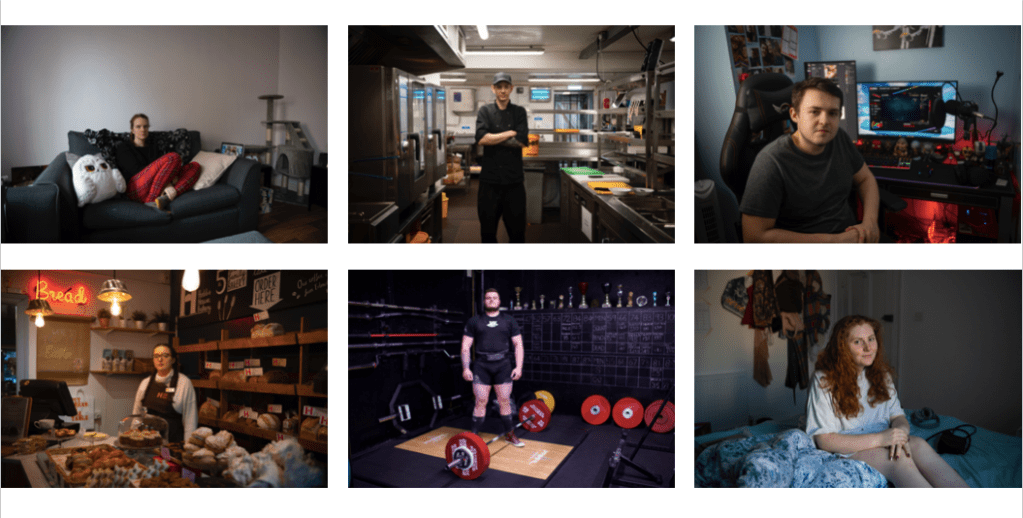
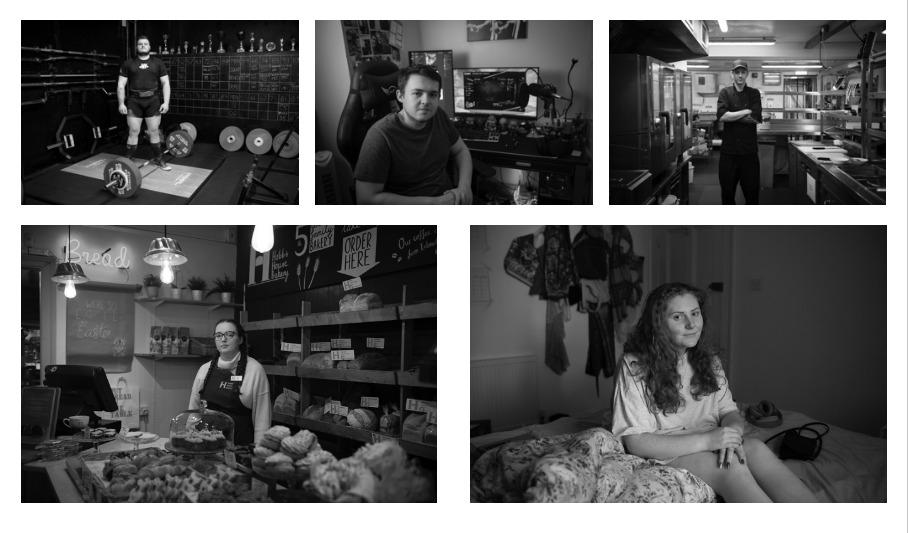
I planned to have quite a few final images to really compare the differences of each one. Initially I thought I would display them in a grid format, but looking at that first image above, I think it looks a bit much. The second image is an improvement as they are more spaced out and also look more minimal. The use of white frames means there’s not a black line round each photograph which added to it looking too much on the first image. The last image made me start thinking more about black and white. The photos look quite different but it works as they are all in black and white. I like the size of them as well, big enough to see each photo clearly.

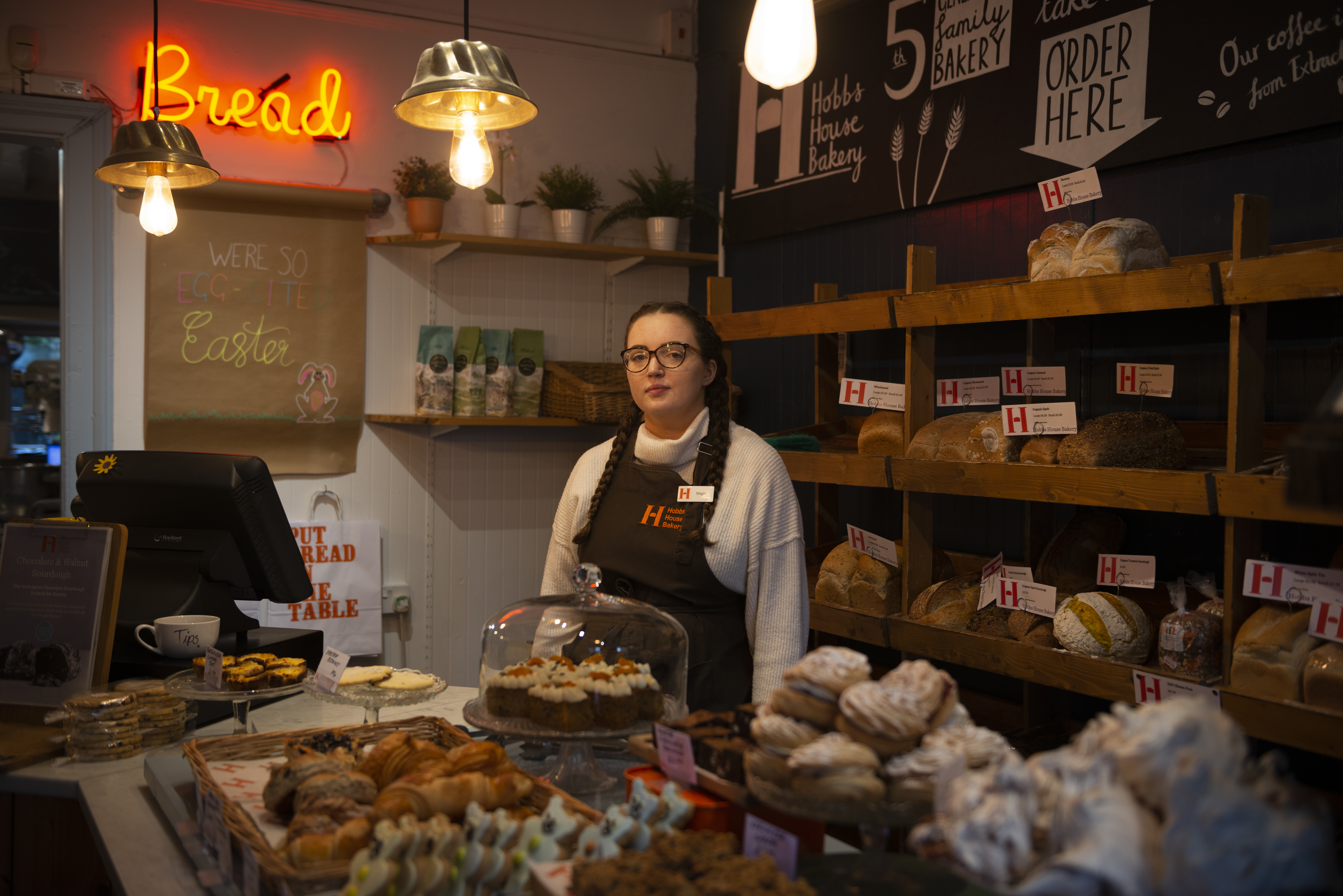
This is a quick layout I made, I tried the photos in black and white to see if it was effective. It does work as making the images fit together well, but it is not showing the images as their best. What I liked in most was the colours and tones. For example the one of Meg in the bakery, the warm tones made it atmospheric and the colours of the food made the image intriguing. In black and white, this is all lost.

The first photo I added in to make an even number, I do not plan to use this one (hopefully I’ll get chance at some point to replace it will a better photo). I want my images to all be the same size and spaced out evenly. This shows that there is not one that is more significant to the others. When arranging them there was a lot to think about. Firstly the top left and bottom right images had plain backgrounds. I put them opposite sides to spread them out. The two images in the middle, they are both standing in the middle of the frame, facing straight to the camera. I thought these worked best in the middle as all the others are sat down of facing to the side. One thing I noticed and will now be aware of on future shoots is that the three sat down are all facing the same way. Although a small detail, I plan next time to get them to face the opposite way to mix it up a bit. Overall I like this kind of layout. I would display them in white frames, and enough apart that they don’t distract each other. I have had criticism in the past that they are all quite different and will look like theres too much going on when displayed together. Now I have seen them together, I like this contrast of lighting and colours. I think the viewer will be interested in all the differences. My aim for this project was never to take photos that all look the same.

EDITING

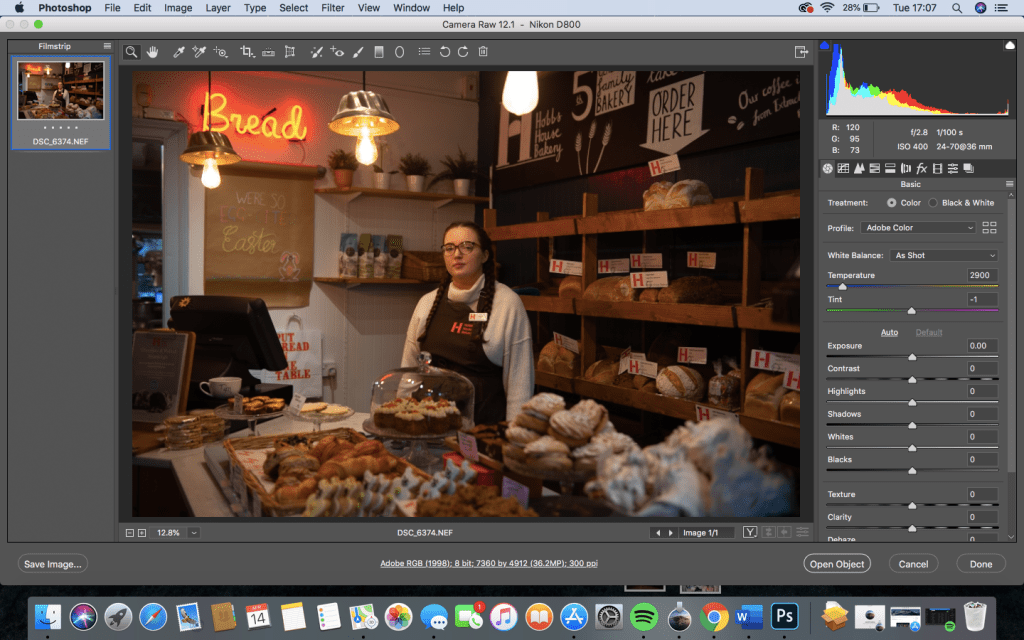
My images did not require much editing in post production. I simply correction exposure, colour balance and saturation. Some required more adjustments than other but it was all the same process.

Firstly I spend time adjusting mainly contrast, highlights and shadows. I played around with the settings until the image looked correct. I also went through the other tabs such as Detail and the colour settings.

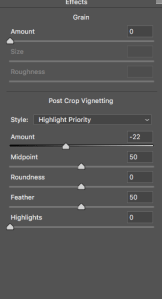
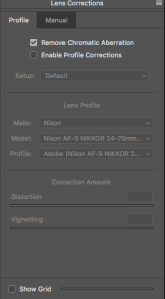
One setting I apply to every photo is vignetting. I add a slight dark vignette which adds a a bit of depth to the image. As I add it to all of them it also makes them all slightly similar. I always tick Remove Chromatic Aberration, Enable Profile Correction depends on the photo. Sometimes it improves it but most time I leave it unticked.

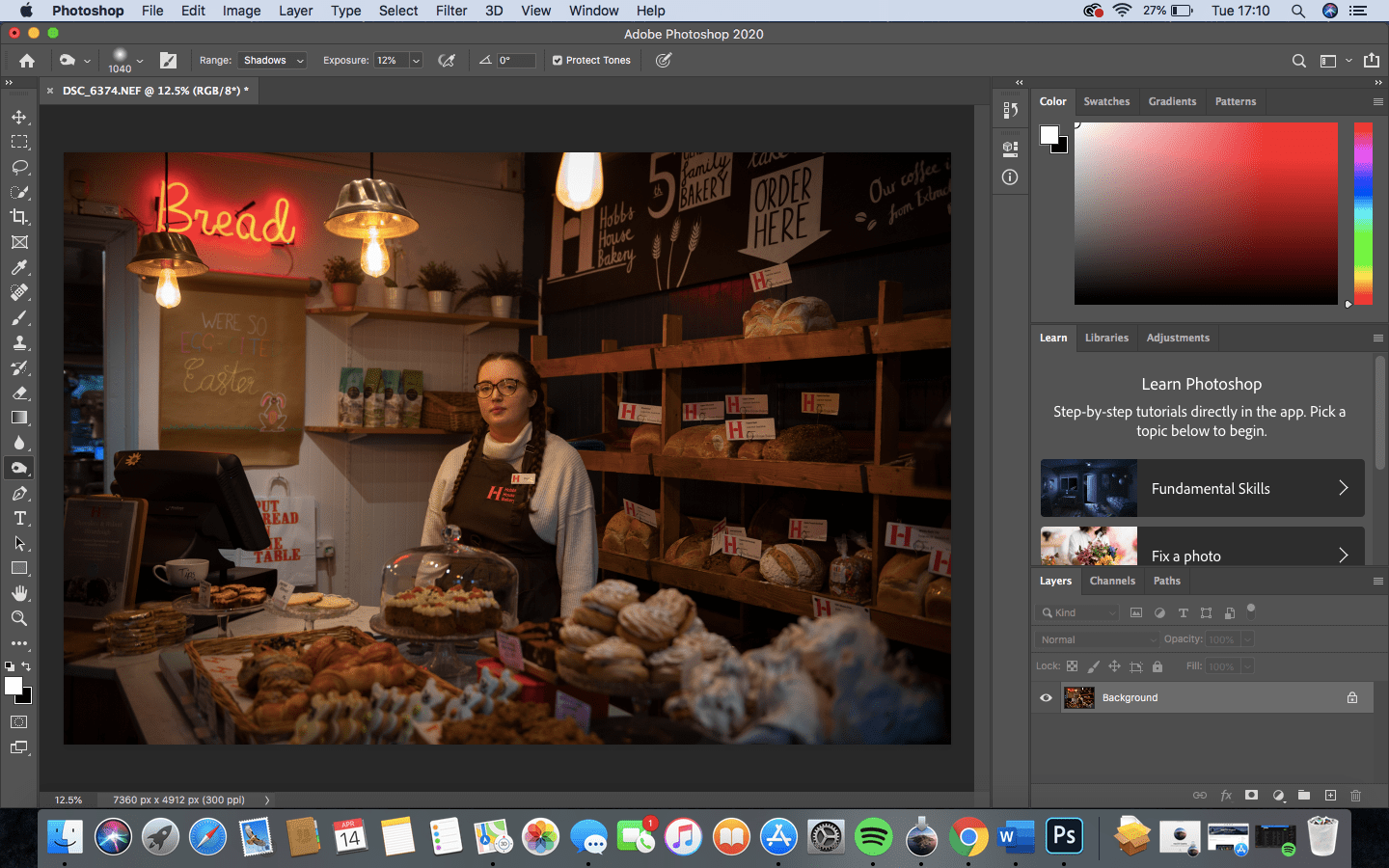
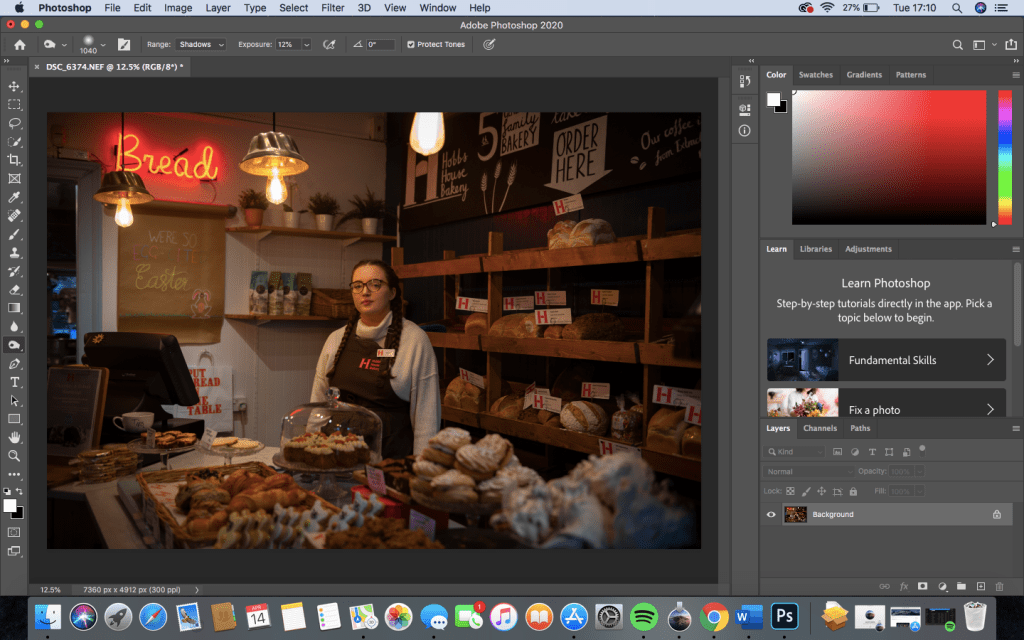
In this particular photo I used the Burn tool to try and lower the highlights of the lamps. They are so overexposed there is only so much I can do to it. Dodge and Burn tool has been useful in other images where I just need to slightly darken or lighten an area. This is mainly the whole process of editing my images, I finish with saving them as high quality jpegs.

FINAL IMAGES:

Although I would of liked to reshoot some of these, I am happy with the final selection. As a series they are interesting to look at and compare. If I had more to choose from I think I would of just chose people on their own because now I am looking at them together, it would fit better without couples. Overall, considering the circumstances, I am happy with the work I have produced. I have some strong images to carry on this project at a later time.

UPDATE!

Due to Corona Virus and university closing I am unable to complete this project. As there is a lockdown where you can only go out for shopping and exercise, it is not possible or safe to go to other peoples houses to shoot. This is gutting as this project was going well and I had a lot of people ready to photograph.

With the photos I have already taken, I am going to edit them and plan how I would display it if I was to complete it. Although not as part of my degree, I would like to finish the project as I was finding it really interesting. By preparing the photographs I already got and saving them as finals, it will give me motivation and somewhere to start from once the lockdown is over. I was planning on reshooting a few of them (which now obviously is not possible) but I can still look into layouts in which I would exhibit them.

As for the rest of my module, I want to carry on with portraiture. This is so difficult so I will have to find some creative ways to get around the problems with the lockdown being in place. Once I have returned home I will experiment with different ideas and see what works well.

SHOOT 12

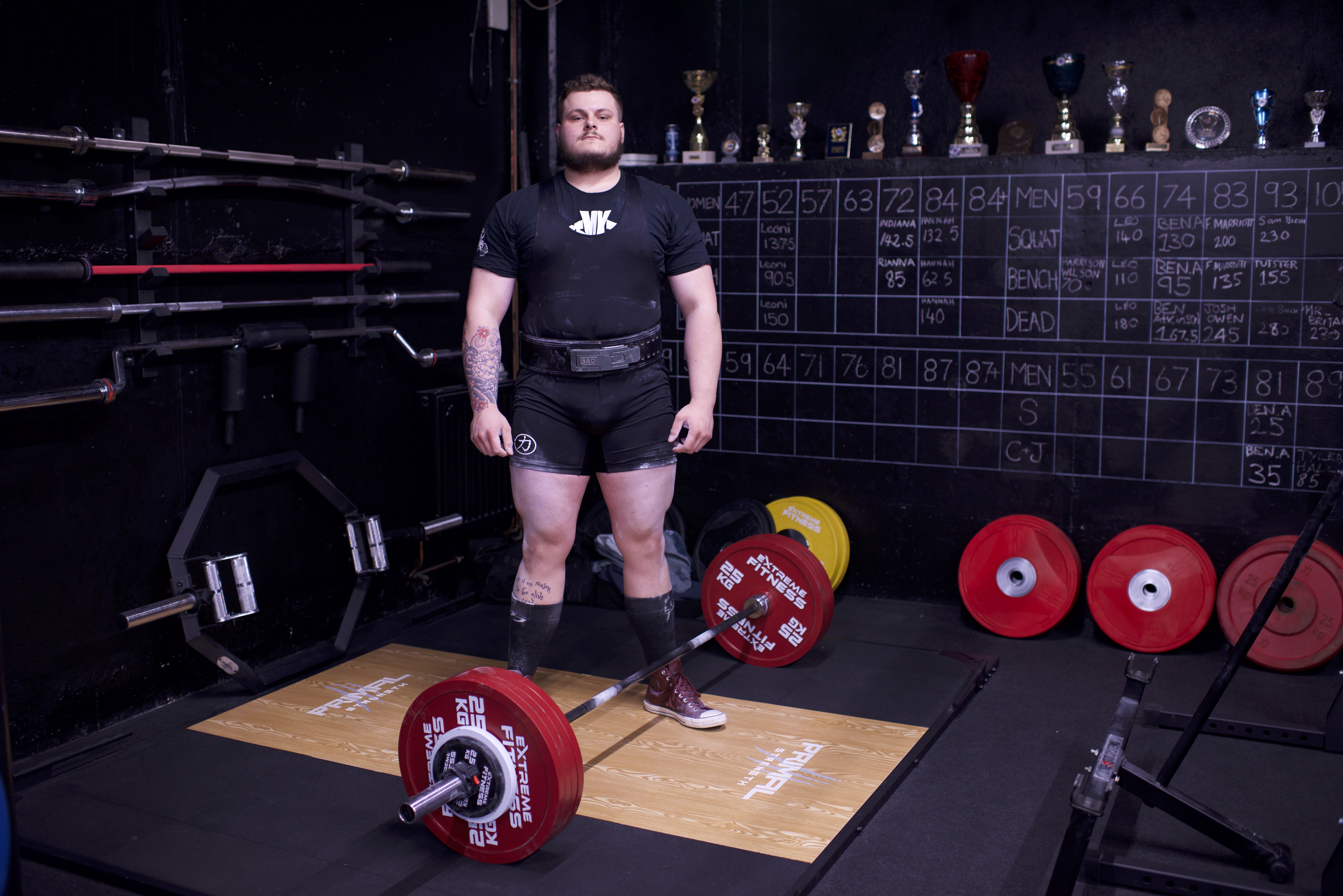
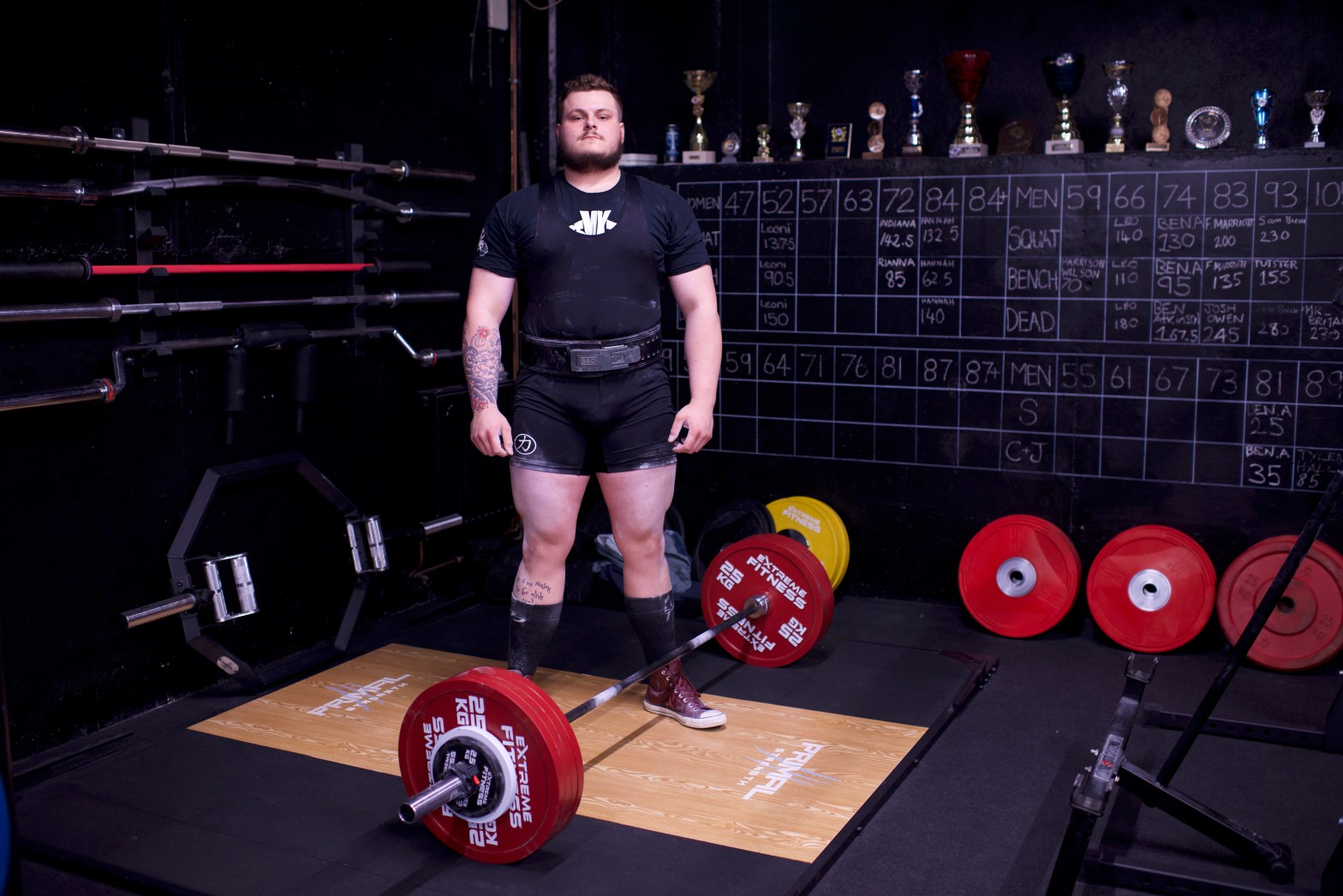
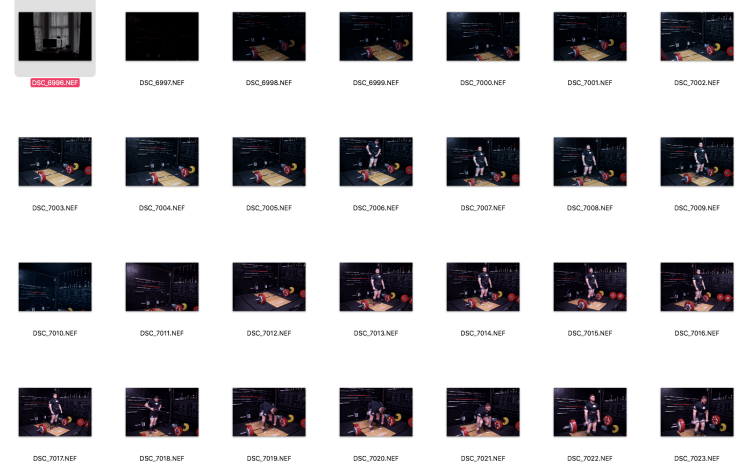
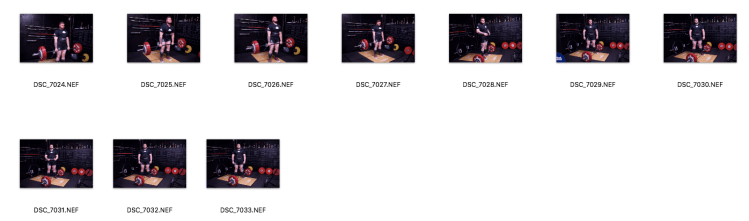
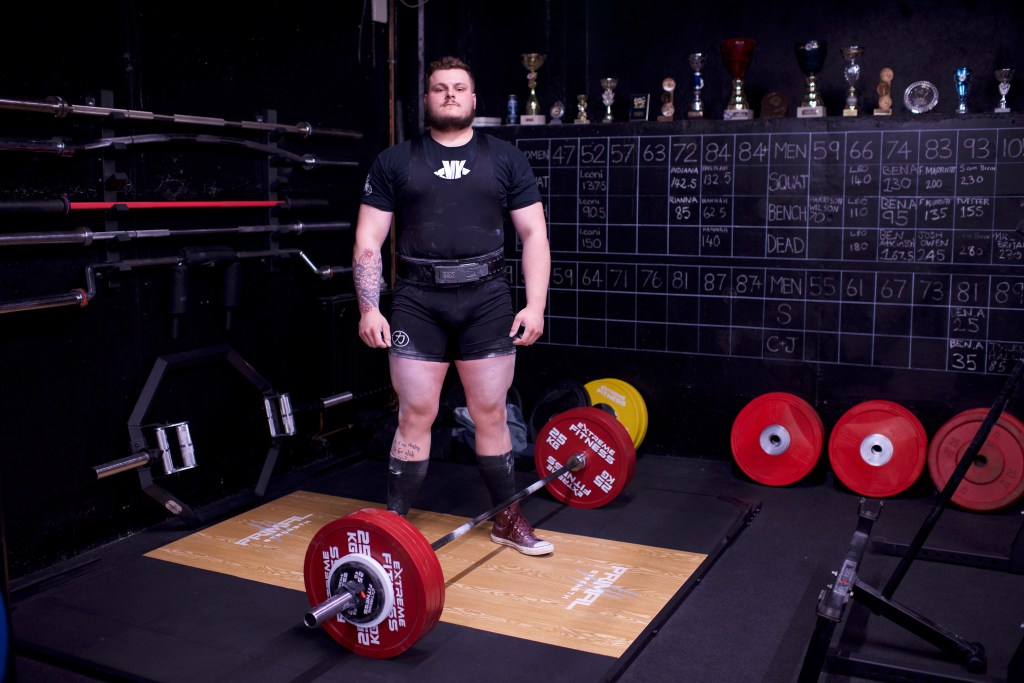
In this shoot I photographed Tom in the gym. He spends a lot of time in the gym deadlifting so it makes more sense to photograph him at here rather than at his room or work. In this shoot, the relationship between me and the subject was completely different to my other shoots. It was in a weightlifting gym which for me was quite scary, which made me more uncomfortable, this really did affect the shoot. I think the way I felt towards the environment affected the way he felt towards the camera.

This was a really different location to shoot and I had no idea what to expect until I got there. He used the weights in a corner. The whole room was basically black but I liked this as it made him stand out. I don’t know who’s trophies they are in the background but they add to the narrative. There was not a lot of different composition so I simply asked him to stand next to the weights. I also took photos when he was lifting just to try that out. It was more effective when he was looking at the camera as this will go with the rest of the series.

This was the most successful image. He stands out from the background so the main focus is on him. The background is intriguing and would engage the viewer. The numbers on the wall, bar on the left and coloured weights in the back add interest. It is clear what his hobby is and this is what I aimed for.

Comparing my work to Jess Lennan’s, the natural light in hers is so much more effective. It makes the images appear more natural and real. Unfortunately, light has been a common issue in my project. The locations are so different and in many I can not control the light. I prefer the natural light from windows but on quite a few shoots just using this isn’t possible, or in a few places there isn’t any windows. I am just going to carry on photographing the best I can in each location and if at the end I have enough successful ones with natural light, I can just include them.

GROUP TUTORIAL

We had a group tutorial were we displayed our work on the wall. We would guess the context of peoples work without them saying anything about it. Afterwards they would explain their project. This was interesting to see how others interpreted my work.

I printed mine off mainly in 8×10 as I was unsure what size I wanted. I printed one off larger in 10×12 to see how it looks slightly bigger. My plan has always been to have medium sized prints but more of them to compare. I do like the larger print but I do think I could go even bigger with it.

When people looked at my work there was some accurate assumptions they made such as that it was people in their own environment. Although they were confused about the mix of personal spaces and people at work. They suggested that maybe it was too do with how the camera reacted to the camera. They questioned weather all the people were linked such as all being family or friends.

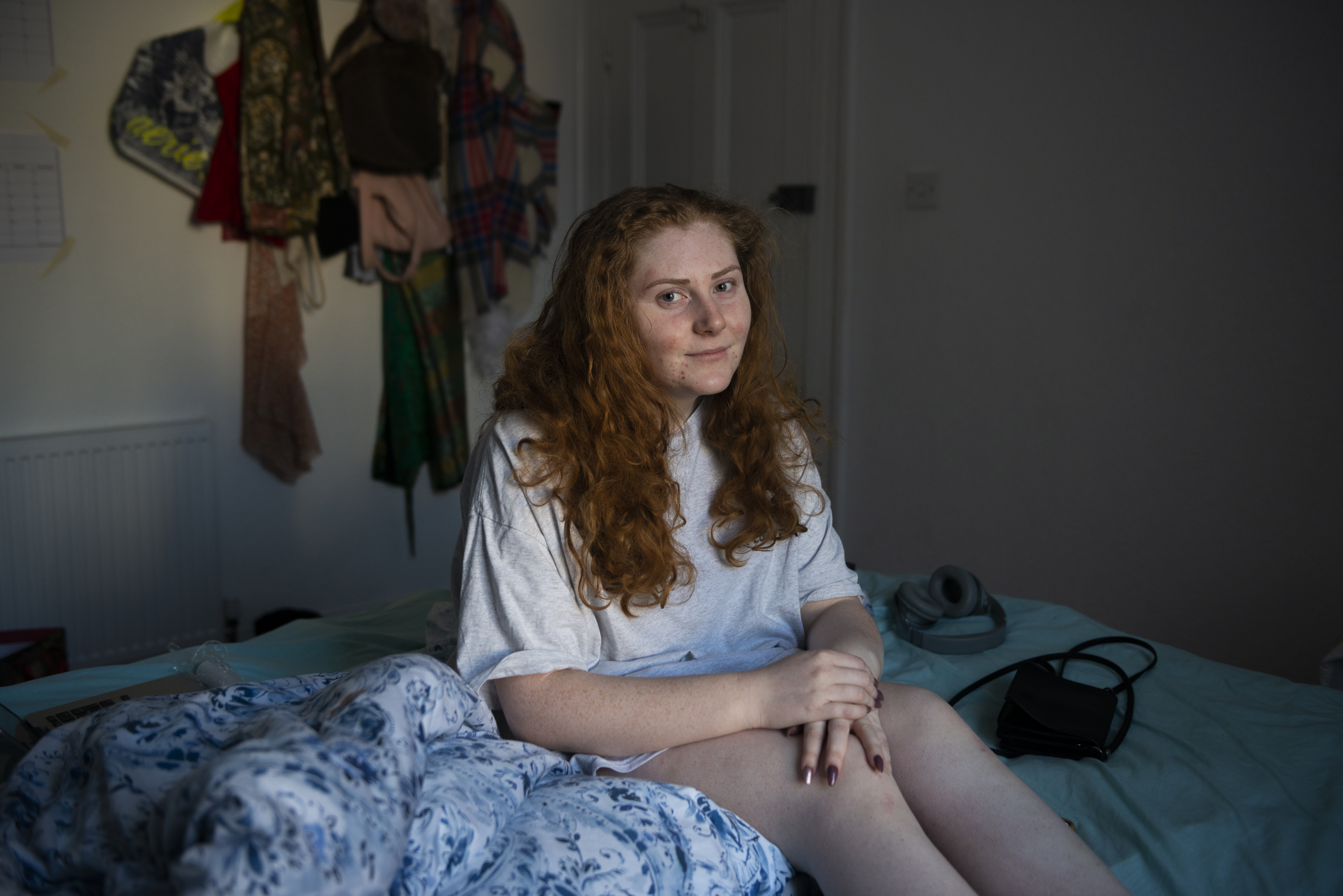
They said that the one of Jess in her room was different to the rest as it is less cluttered and different use of light. They also commented on the ones that were too busy such as Jordan at his gaming desk. We talked about ways to control the busy environment and artificial light.

My feedback to go on with was to be aware of how to create consistency when photographing more people in varying environments. Also to question were the individual narrative be unraveled. Refine the idea of comfort zone and choice of space. I also need to start thinking more about how I will display my work. They said would a grid really emphasis the individuality of each person.

This tutorial was really interesting. It is the first time in a while having others opinion on my work. When they talked about showing each persons narrative I did disagree a bit. I want to show things about the person to show what they are doing/where there working/etc. But as I want the meaning of my images to be comparisons, I do not want to go that deep into the story of each image. I am going to start to look at layout on how I want to display my work. I know I want to make prints for an exhibition as I am going to be part of the London degree show. If I had enough prints I could look at doing a photo book alongside this.

Design a site like this with WordPress.com
Get started