SHOOT 4 (P2)

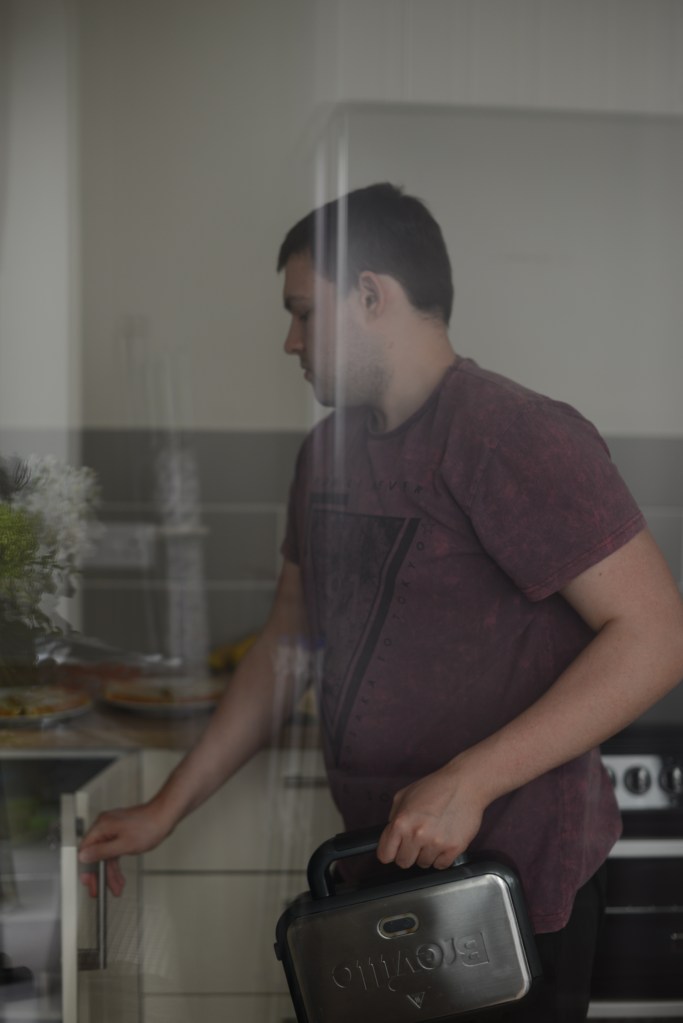
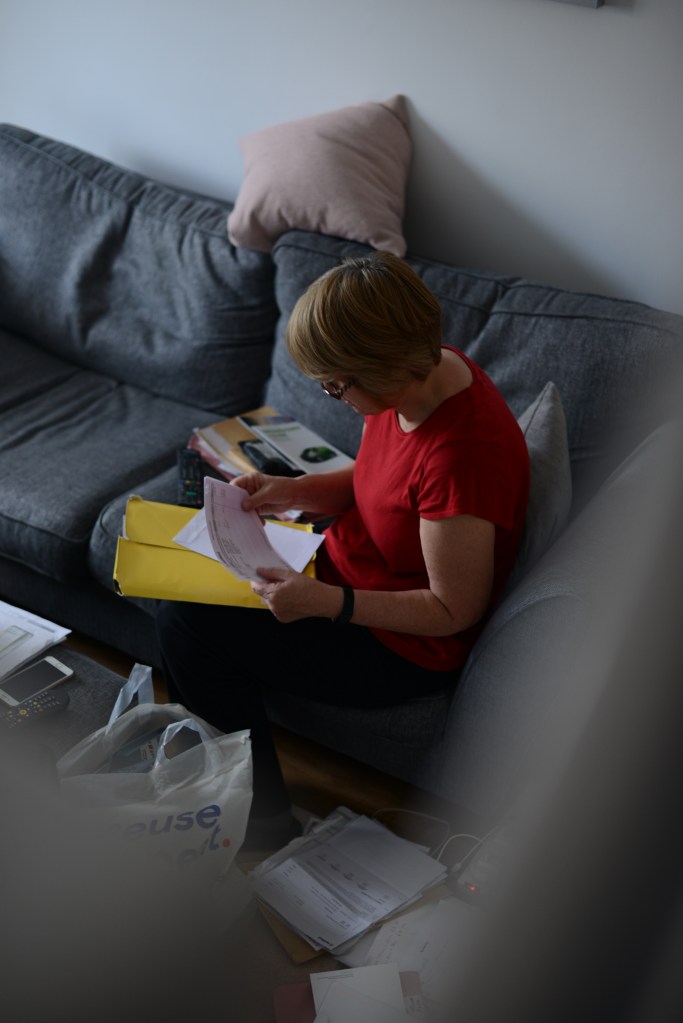
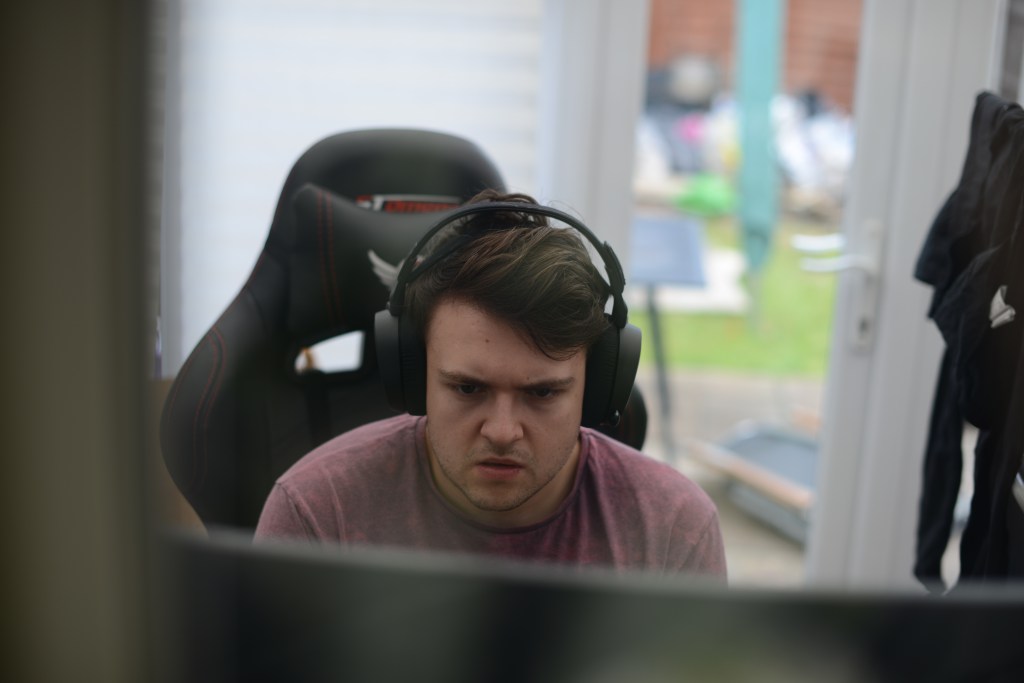
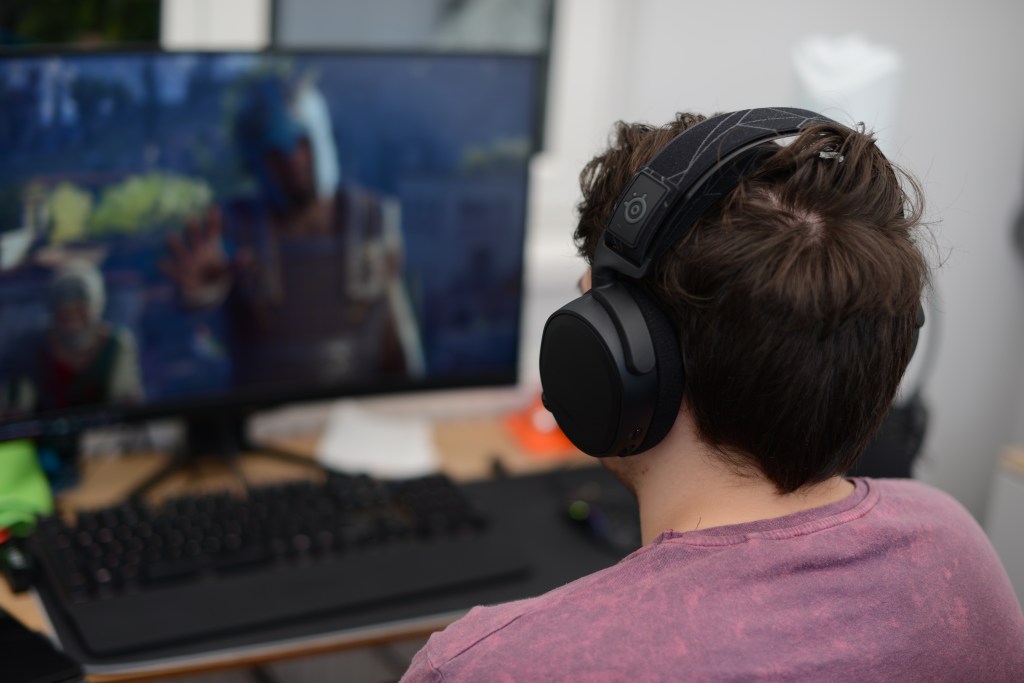
This was my first shoot trying my new idea and technique. There was a lot to think about when deciding composition/framing and position of the model. I kept in mind things that I found interesting from my research, so trying to show a sense of place.
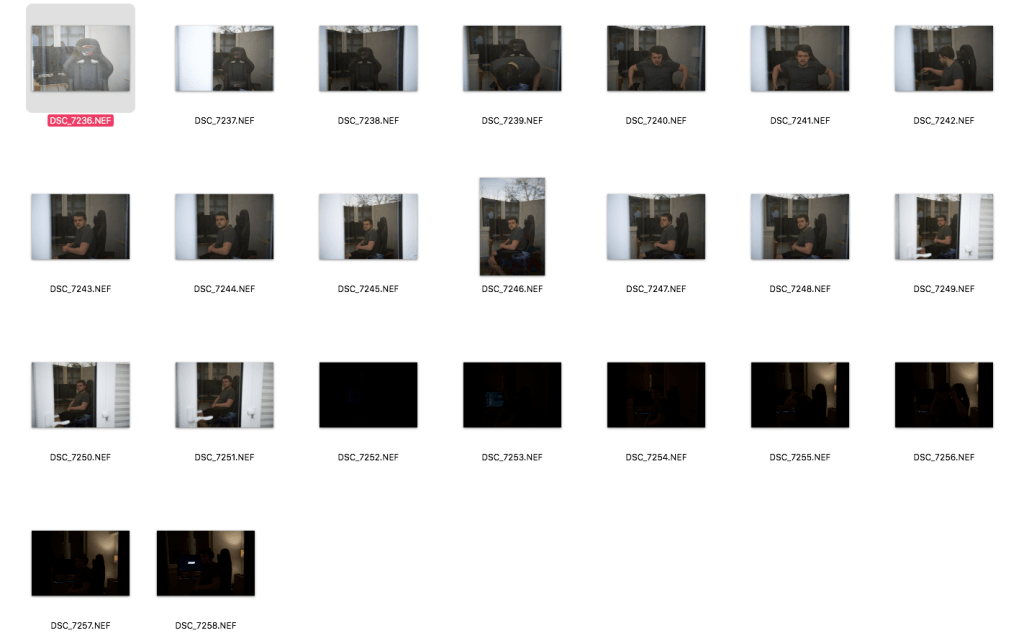
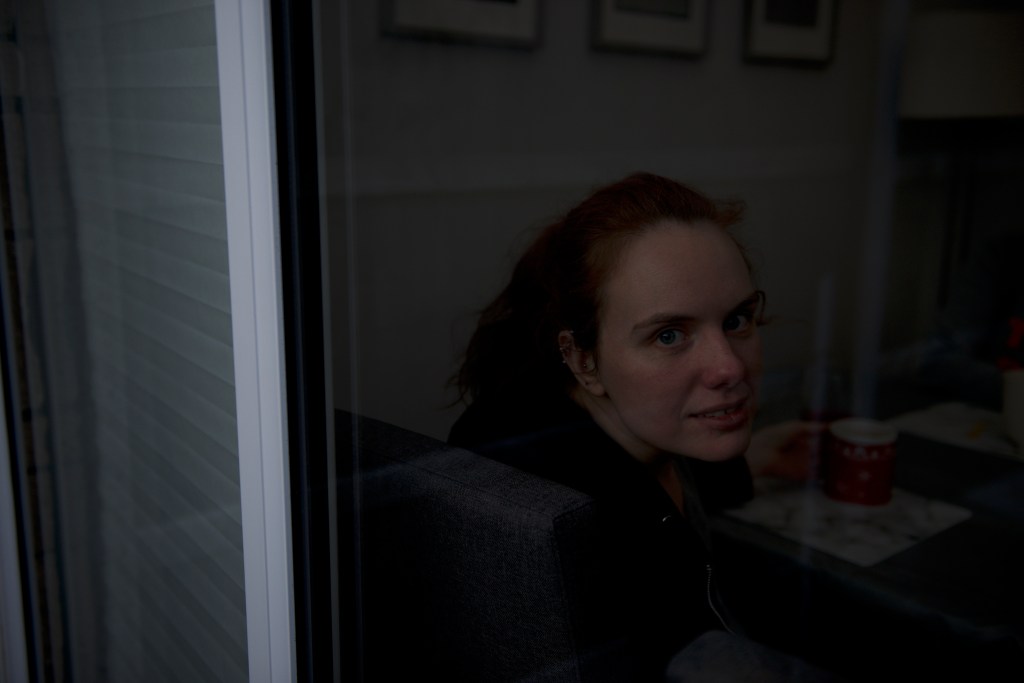
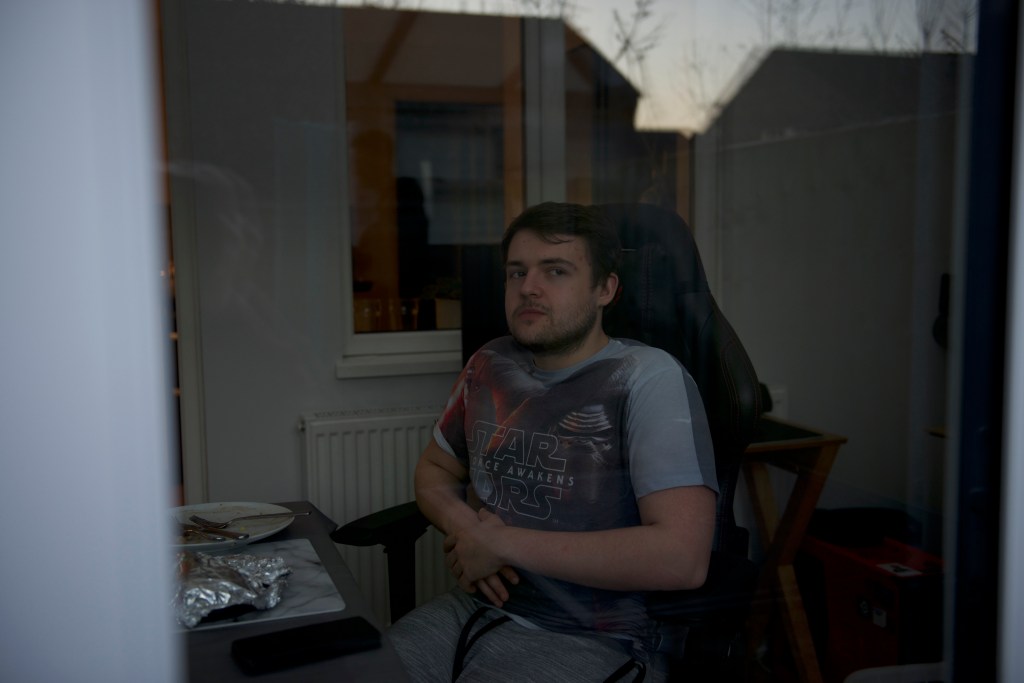
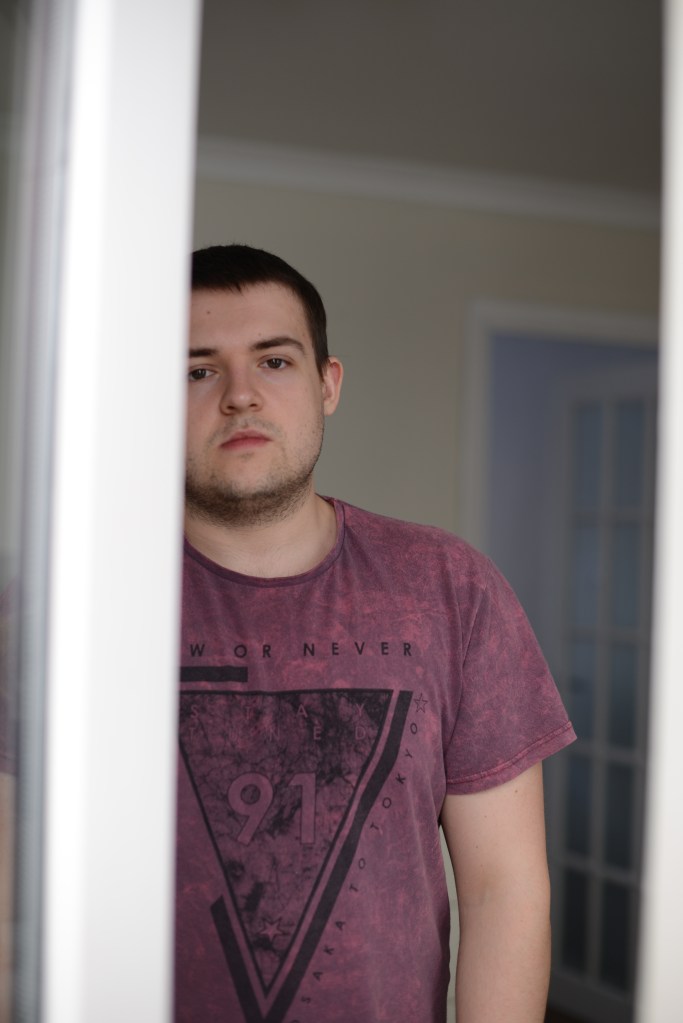
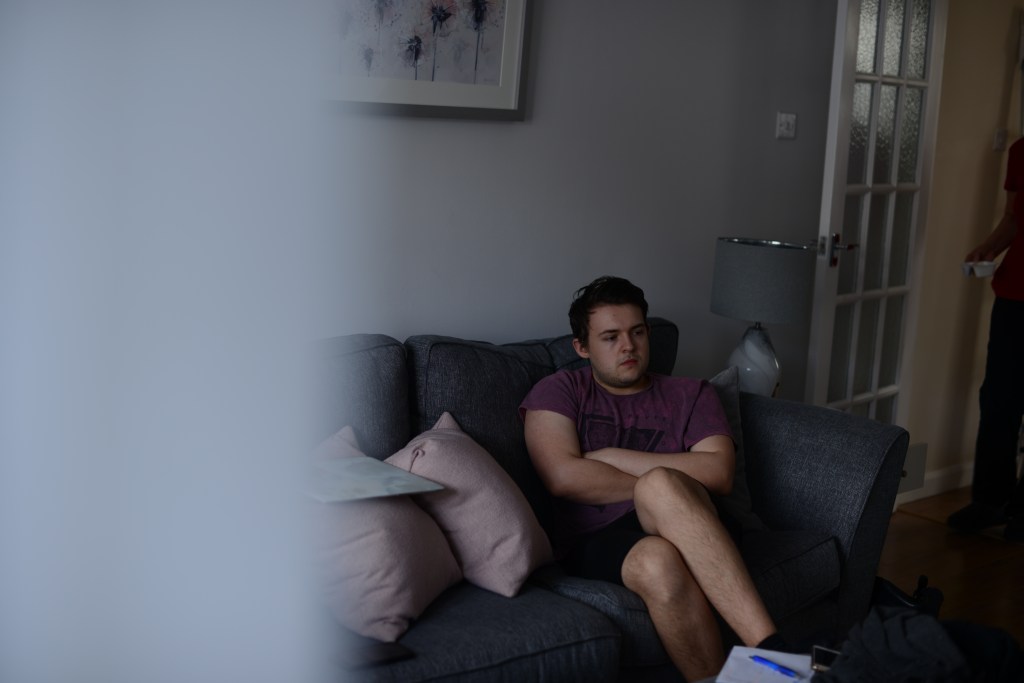
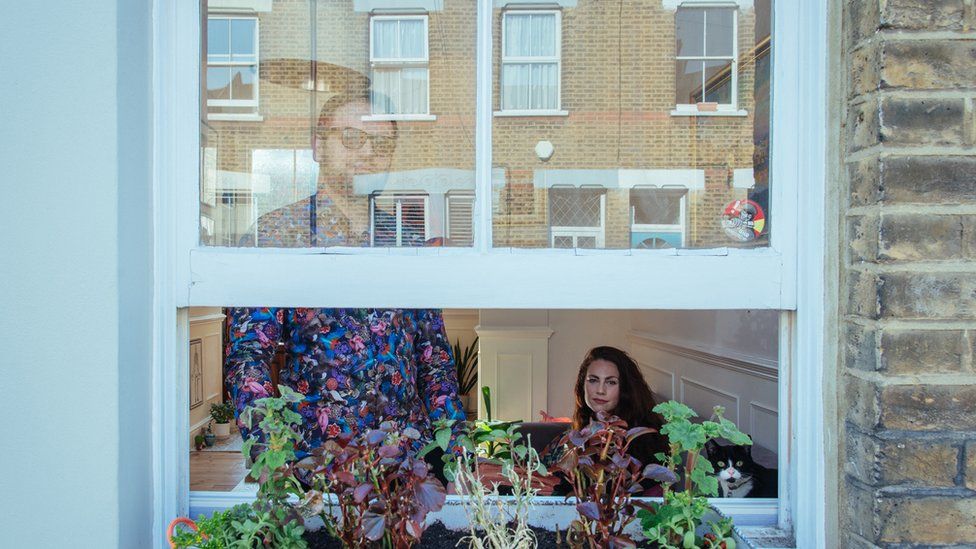
This shoot was a lot more difficult than I expected. There is so much you have to make sure is correct and I can imagine when I am photographing people in their homes I’ll feel a bit of pressure to be quick. The first thing to think about was how much of the window I want to get in the frame. I originally thought about only having the glass but now I have tried it, I think it works better with the window frame. It suggests more information about what is going on. The next thing to think about was the position of the subject. Do I want them facing the camera? Carrying in with whatever they are doing? Looking into the distance? Although in this shoot he looked at the camera, this is something I want to experiment more with to see what is most successful.
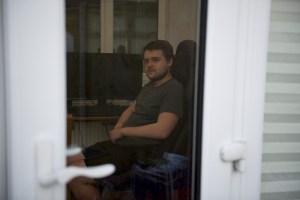
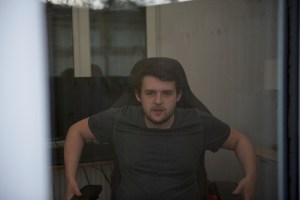
The window in the photo above takes up too much of the frame. I need to get the proportion right where theres enough window that it is clear what it is but not too much that it distracts you from the main subject. This window was particularly difficult to work around as it was a door so was tall but thin.

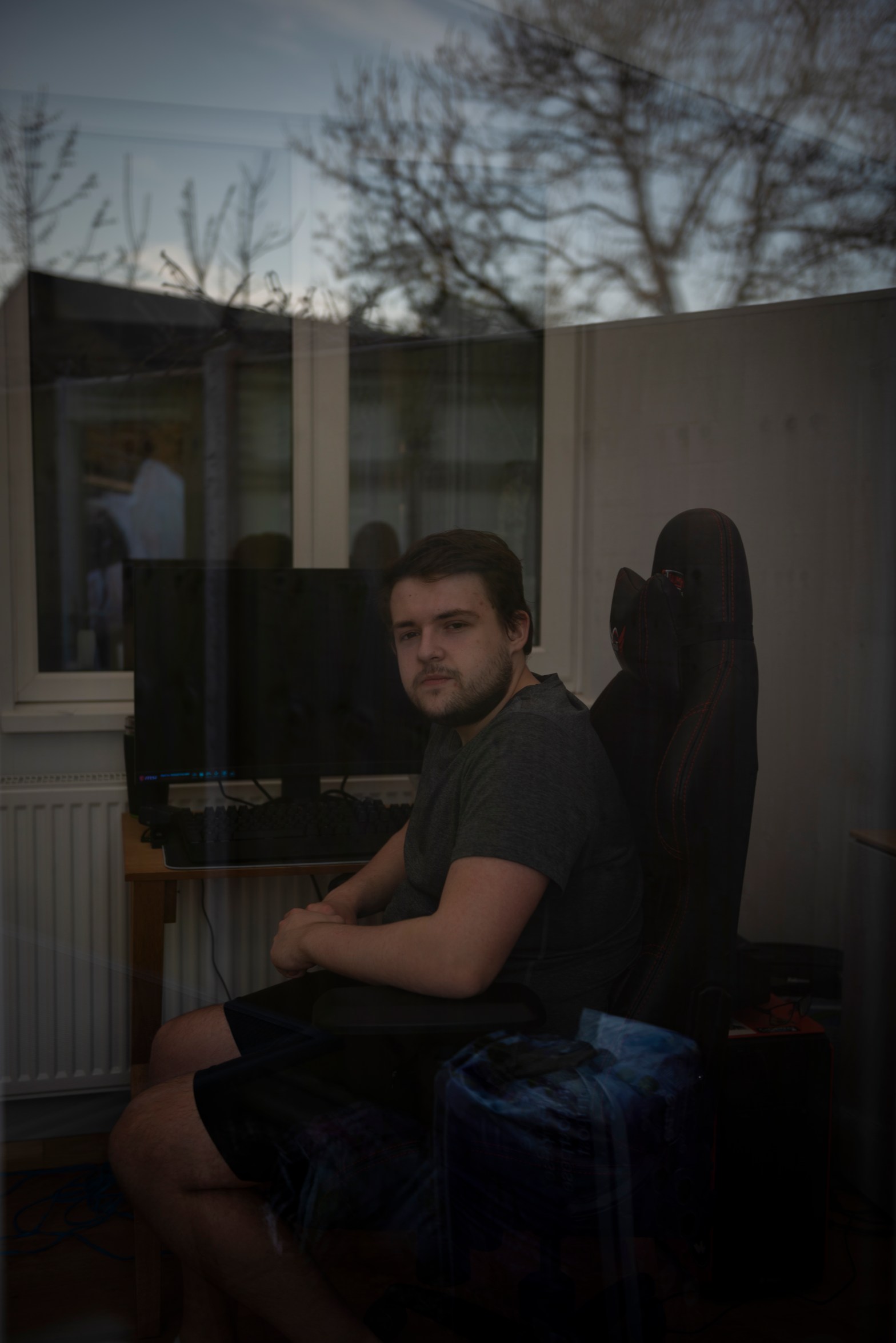
The reflection is an interesting aspect to the portraits but is challenging. The first obvious issue is making sure I am not seen in the window. This limits the angles I can shoot at. This shoot was just before sunset so I had to make sure the light hit how I wanted it and didn’t make the reflection too bright. Apart from that there is only so much I can control as I can’t choose what is in the surrounding area.
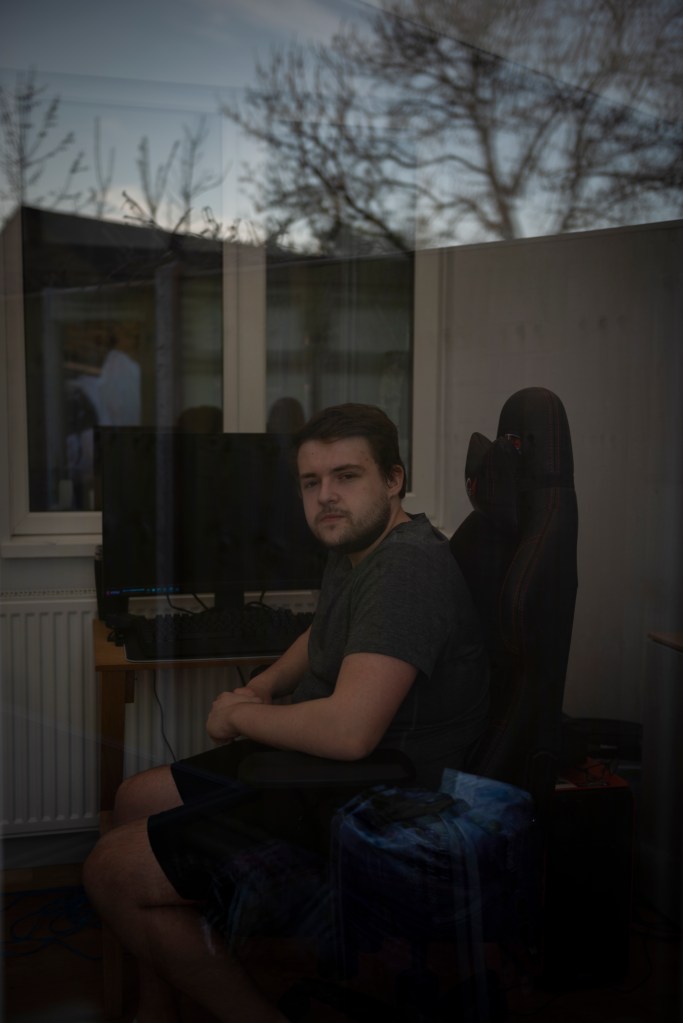
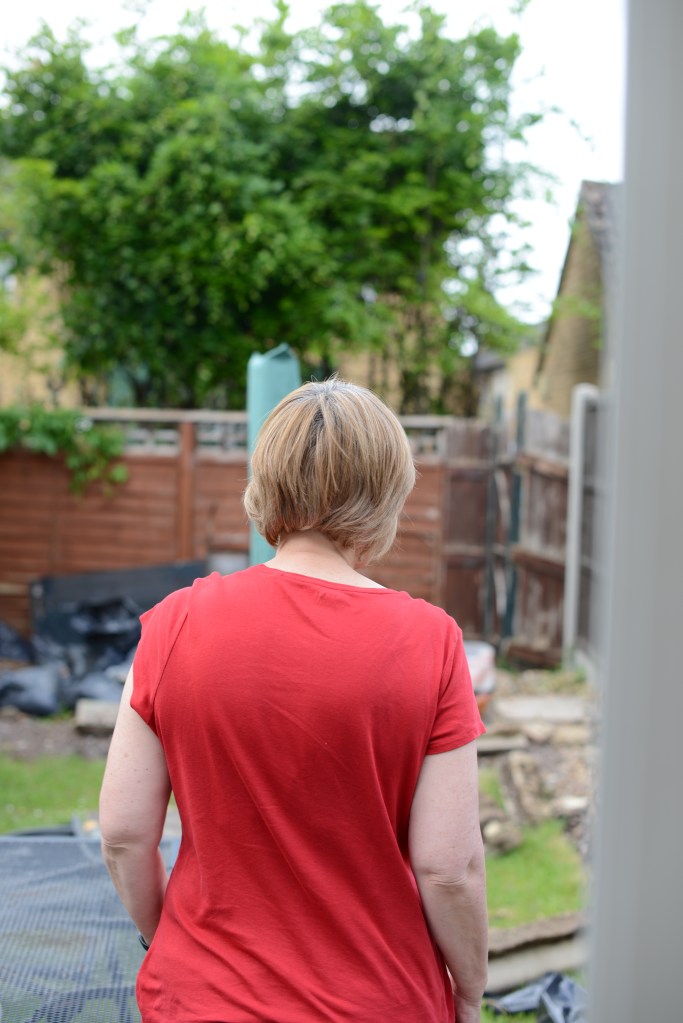
This is the most successful image of this shoot. You can clearly see the subject (which is the most important thing I want) but can also see the reflection. The reflection adds depth and will make it more interesting for the viewer. There is no window frame in this one as there was just too much in the frame. I made the mistake of shooting in landscape for all the other photos. I did this because I thought if I shot in landscape it would be more effective at showing the window. I know now that this doesn’t work and will stick to portrait in the future.

What I have learnt is that the time of day I shot at was effective. I chose evening as the sun was lower creating nicer light and less harsh shadow. It also meant there wasn’t too much direct light, meaning the image had a softer feel to it. I will do the next shoot before sun set as well to check if this is how I want to carry on.
THEORETICAL RESEARCH – RELATION TO PLACE

In these current circumstances, our relationship to our home have changed significantly. Once somewhere we would return to relax, seek comfort and care for are daily needs as humans now has become much more. Now it has become our safe space, we have been told that the outside world is dangerous. Before coming home after work or a day trip was comforting but now we long to be out of it. Working from home has made our place to relax become stressful environments. I read a geographical review by Yi-Fu Tuan about our experience with place, paying particular attention when he talked about ‘home’.

Places have meaning to people. This is through our senses, memories and our interaction with a place. Especially the home which means most to people. The home is somewhere we cater for our needs as human, so washing, eating and sleeping. We normally have a routine. We wake up, wash, go to work, return, eat then sleep and the home becomes part of that routine. Wether its a trip to the shop or a week holiday, we always return to home. Although are experience of home has changed, what remain similar is that ‘privacy and nurturing shelter persist as the central qualities’. But the emotions for it have changed. For many, routines no longer exist and having to be at home feels like imprisonment. For others they seek comfort in the fact that at home they are safe from the risks of being outside.

Representing place in art can be hard. As a photographer shooting in someone else’s space you can’t begin to get the full sense of place. Seeing is an important sense and why photography is one of the best ways to portray a place. This is because the other senses you use to experience somewhere (touch, smell and taste) can’t be publicly displayed. Through photos you have to try portray these other senses which the viewer can’t experience. ‘Artists can, to a degree, objectivity intimate feelings into a picture’.

In my work I want to, the best that I can, represent the feeling of a place. The window is the main way I will do this. It suggest the feeling of safety and privacy that have always been emotions related to home.

VISUAL RESEARCH

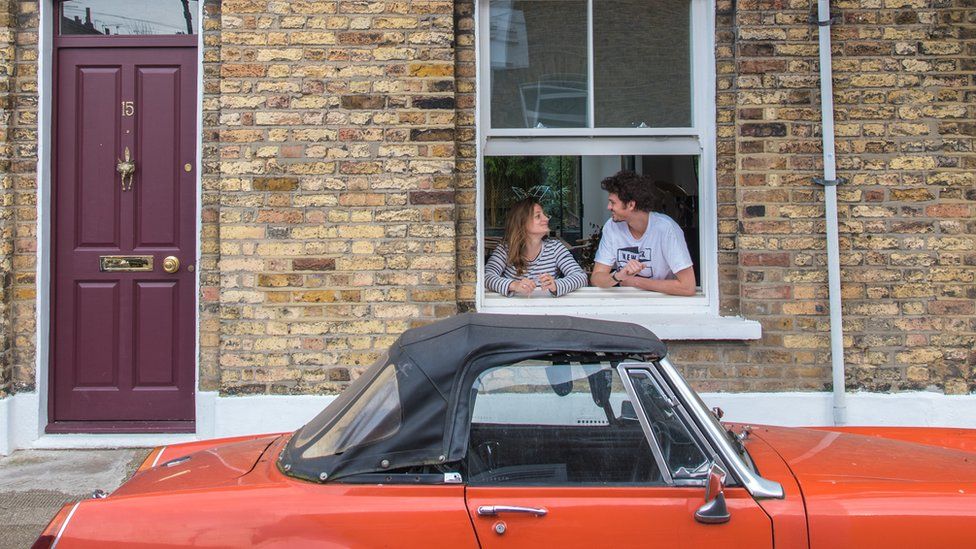
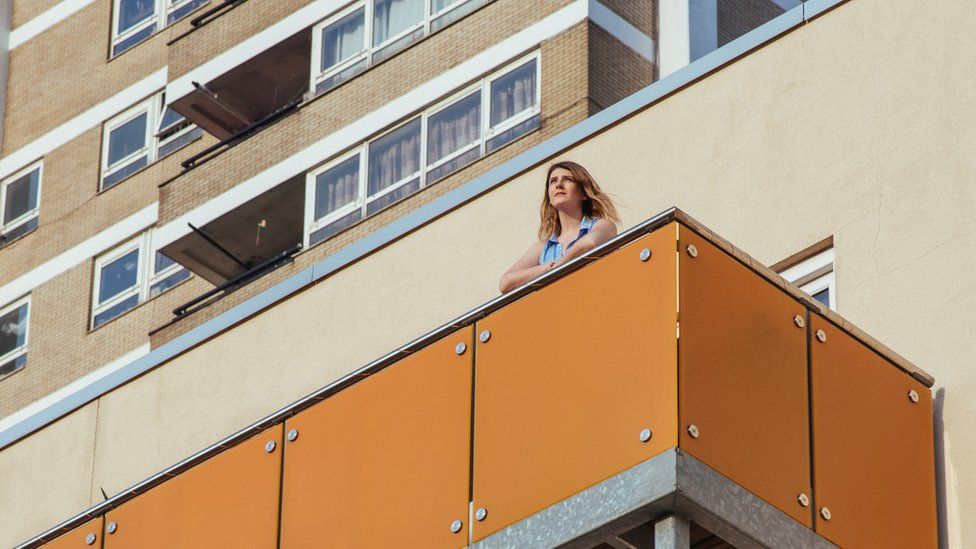
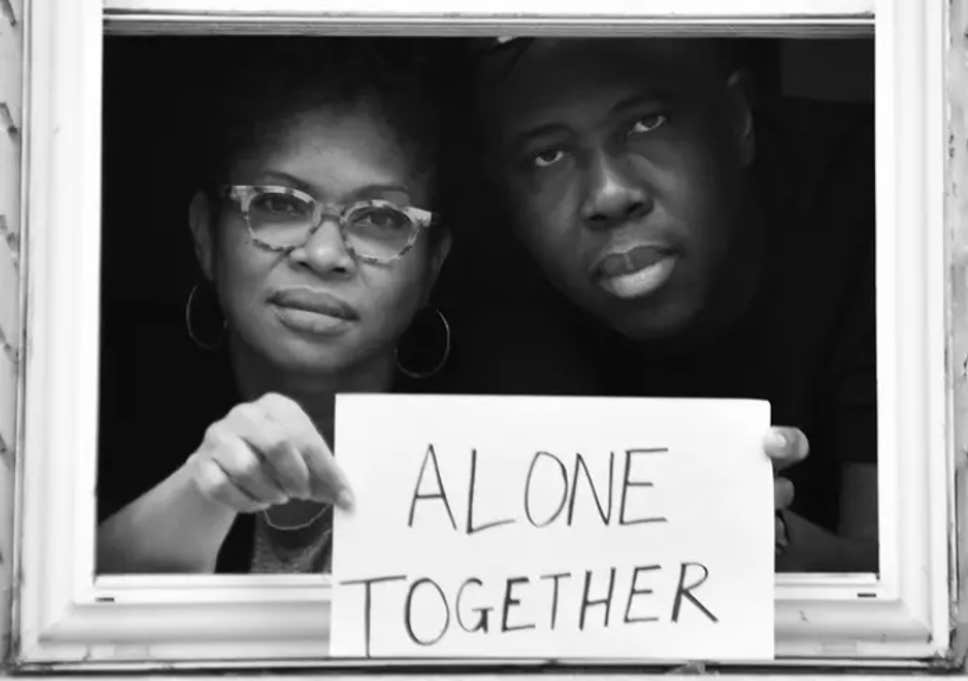
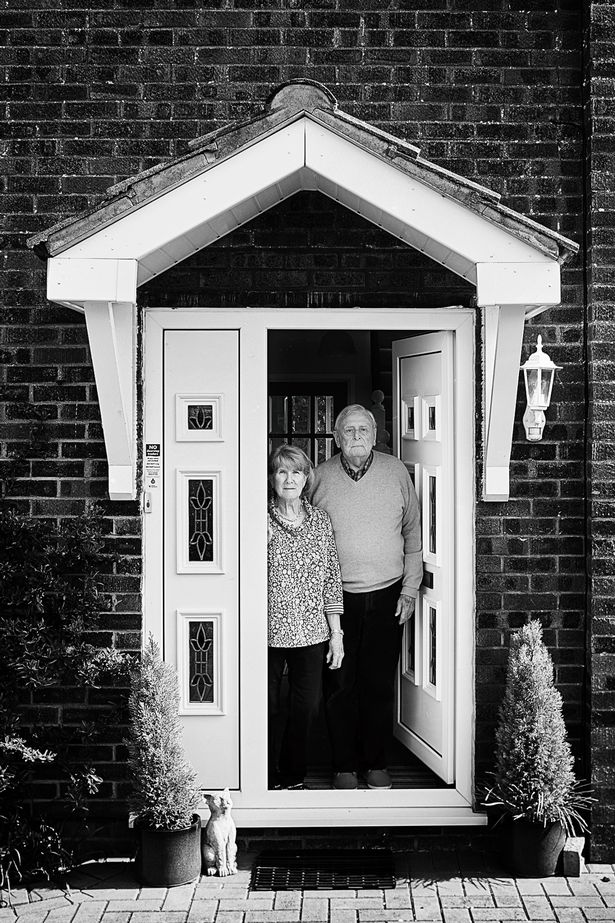
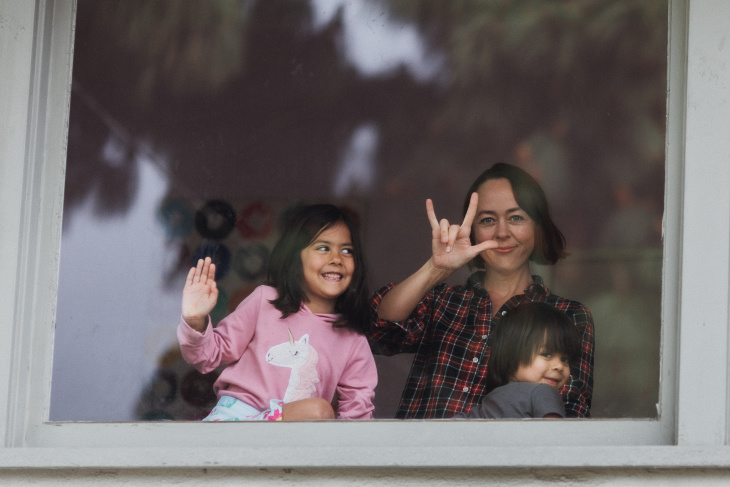
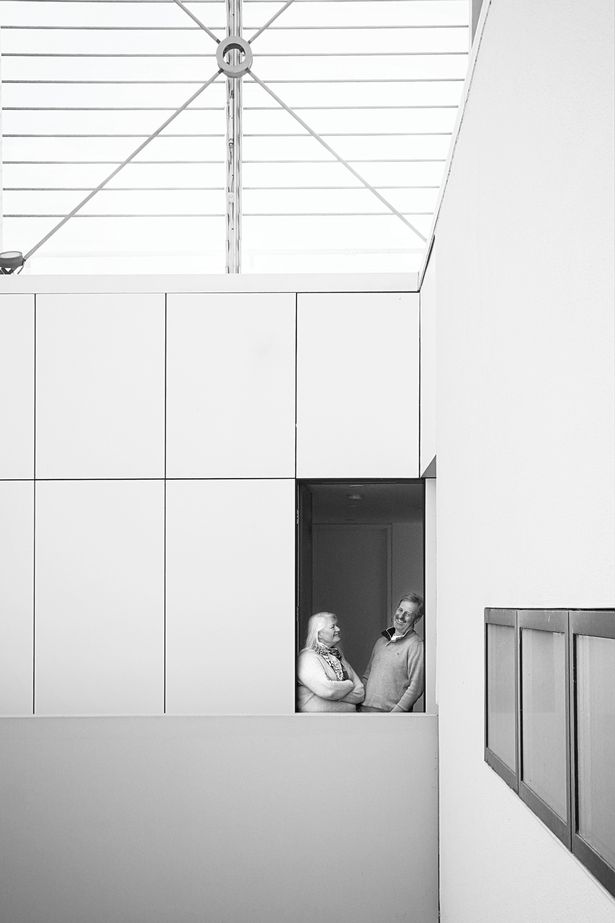
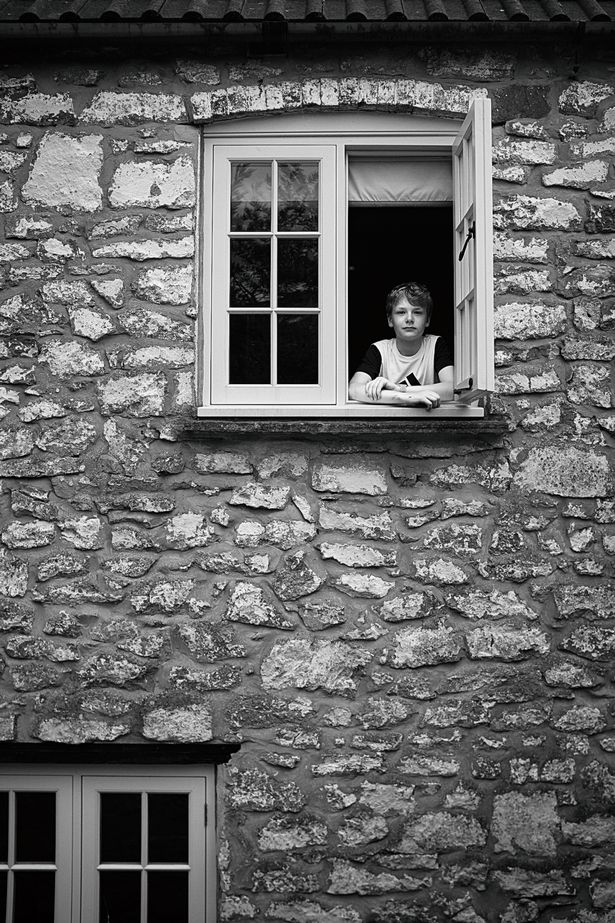
Adam Isfendiyar, a photographer based in London has captured people’s lives in lockdown. He posted on Facebook asking for people to participate in ‘window portraits’. He had loads of response and spent bike rides going to different houses. He collected their personal stories and experiences of life in lockdown.

Alex and Emma with cat Baroness Hale.

“What is happening at the moment is an event that everyone in the world can connect with and I wanted to be able to help to build connection through identification with others in a time of isolation,”

Michael and his partner in
Rebecca Godden

Because he visited many people in different places, the photos are all quite different. Some are through windows showing the reflection of outside. Others show people on balconies. They range from people looking into the camera, smiling. Whilst others look longingly into the distance.

I like that he has documented many people as it shows that it is a situation every one is going through. In the article it included text from the people he photographed. This is effective as it makes it more intriguing. I think in this situation it is easy to get caught up on the statistic and figures and so it is good to see how it has affected people. It makes you more empathetic and think more about just the numbers shown on the news.

I like these images individually but as a series they are all quite different. In my work I am planning on making my images look more like each other. I am aiming to focus on window portraits as I think the reflection of the outside being shown is really effective. Having them being the same will also allow to portray the message that everyone is in a similar situation.

SUBJECT RESEARCH – ISOLATION

As in my last project I looked a lot into the mental wellbeing of people in their 20’s and portray a message to represent my findings, I have decided to try a similar route for this second project. From seeing posts on social media, there is a lot of people struggling with their mental health while being in quarantine. Not being able to see friends/family, stress of working at home and having no interaction with people outside you household can really make you feel down.

This isn’t a new feeling, from astronauts to the elderly. It is common for any human with no social interaction to feel down and lonely. A clinical psychologist at the University of Houston says that they expect an increase in depression. The uncertainty of the situation and not knowing how long social distancing will last can also lead to anxiety.

Video calling friends and family has become the best ways of contacting your loved ones. People are finding new ways to adapt to the situation. What is so good to see is the support for these people who are properly isolated. So many companies are dropping food items off for vulnerable people and a massive 750,00 people applied to volunteer for the NHS. Most of the world is in the situation so we are all in this together.

SHOOT 3 (P2)

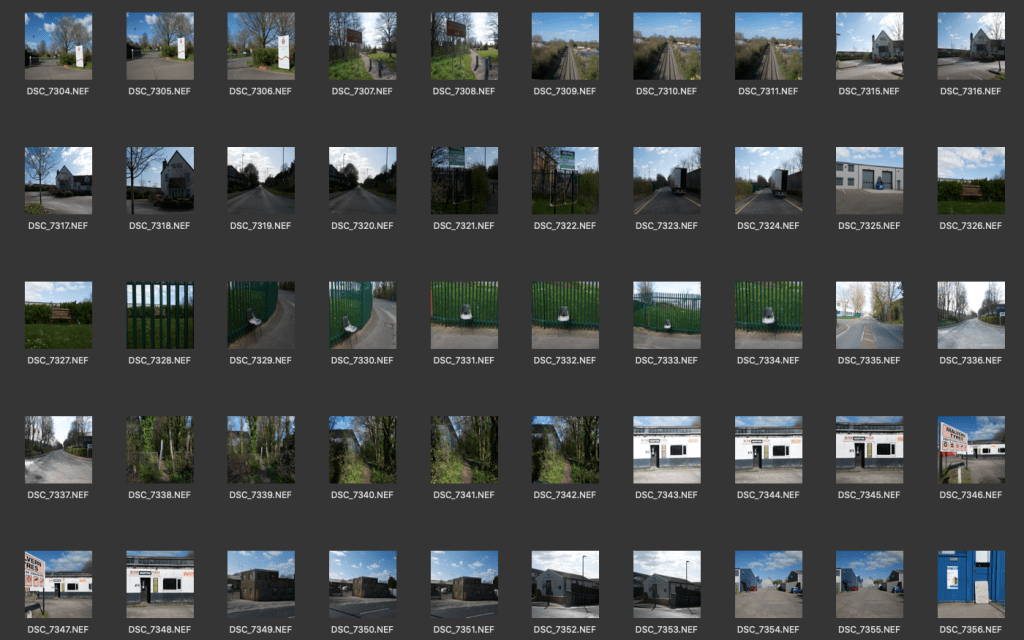
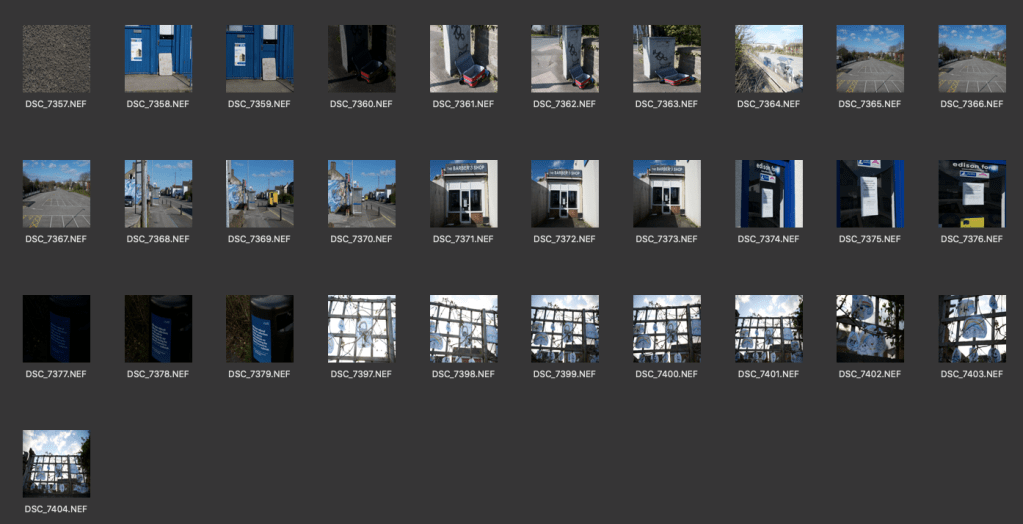
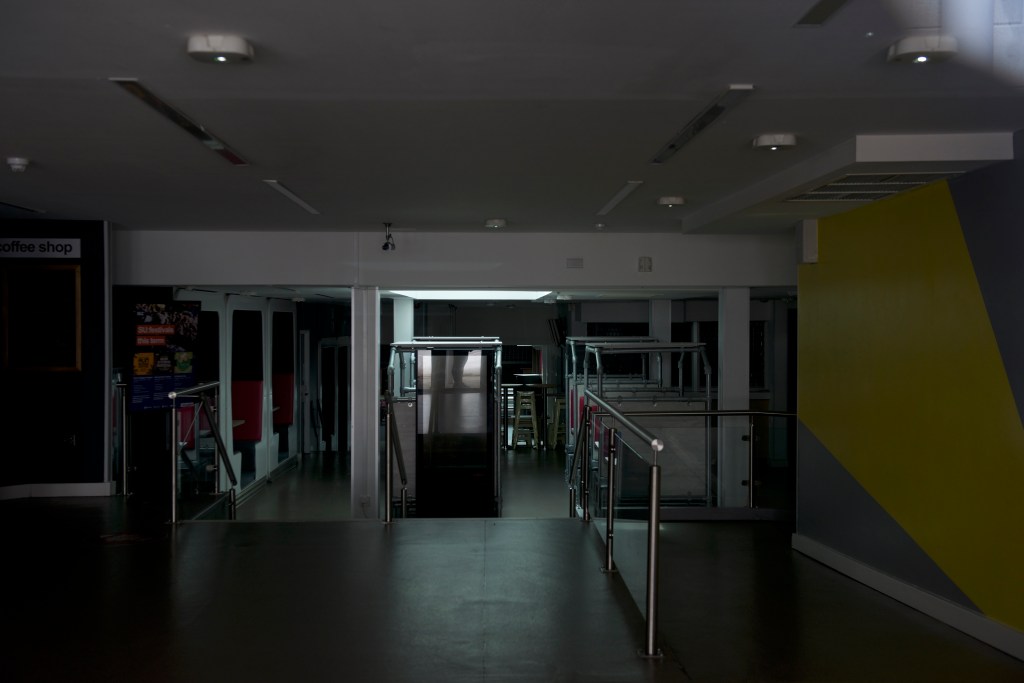
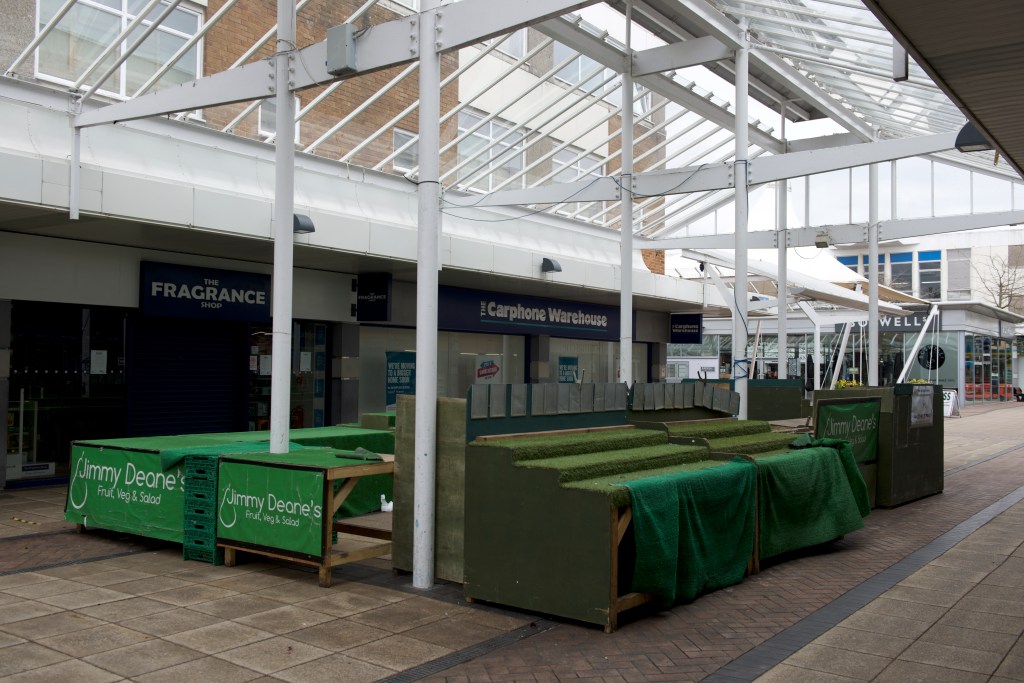
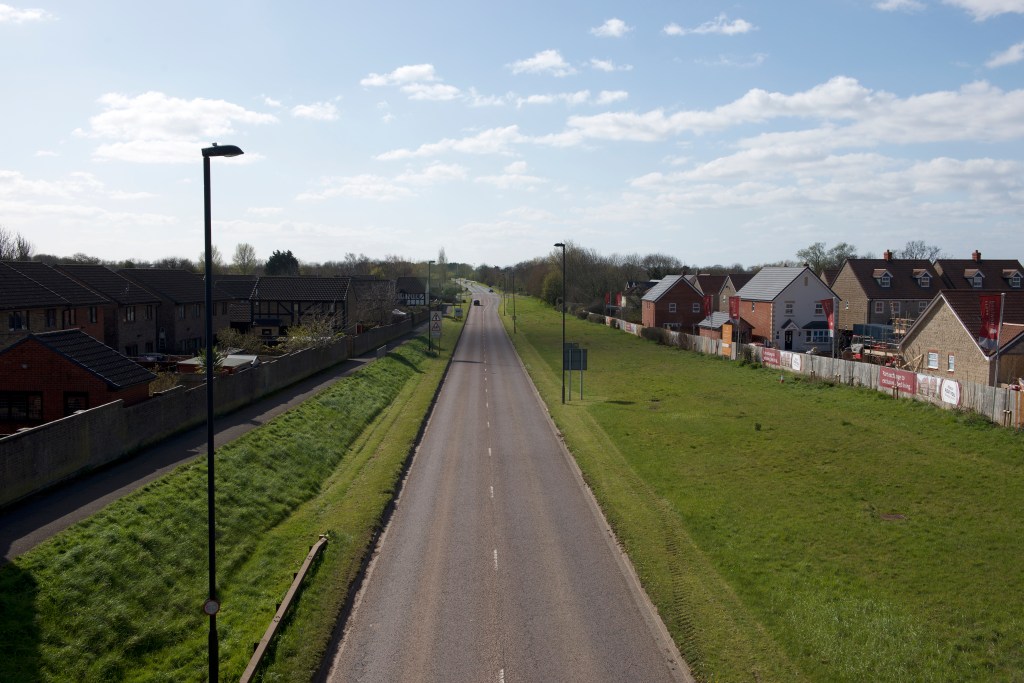
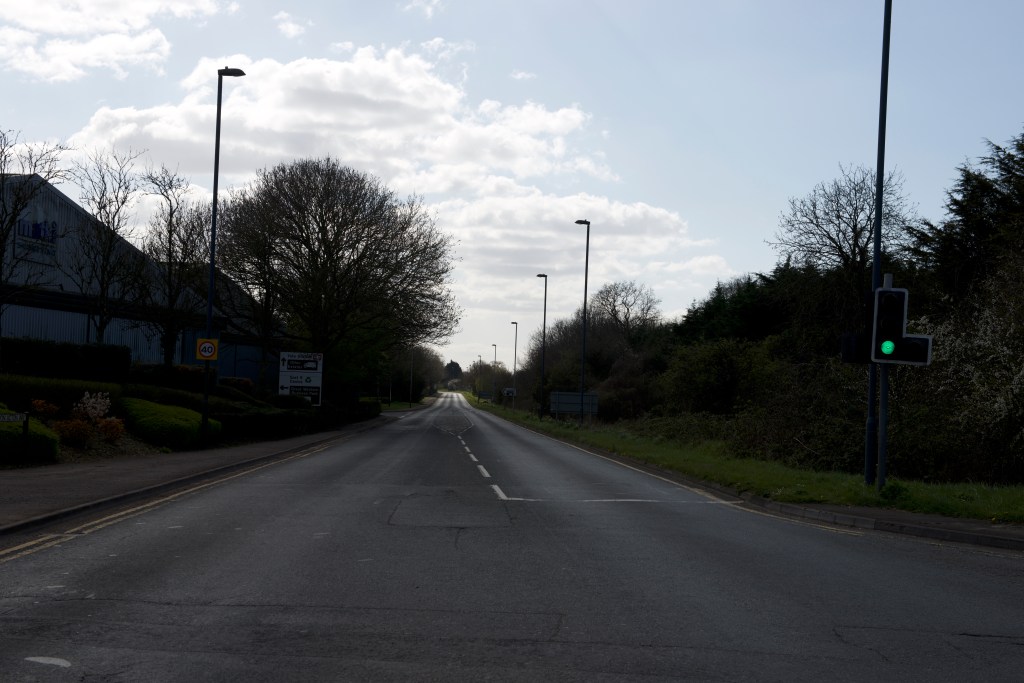
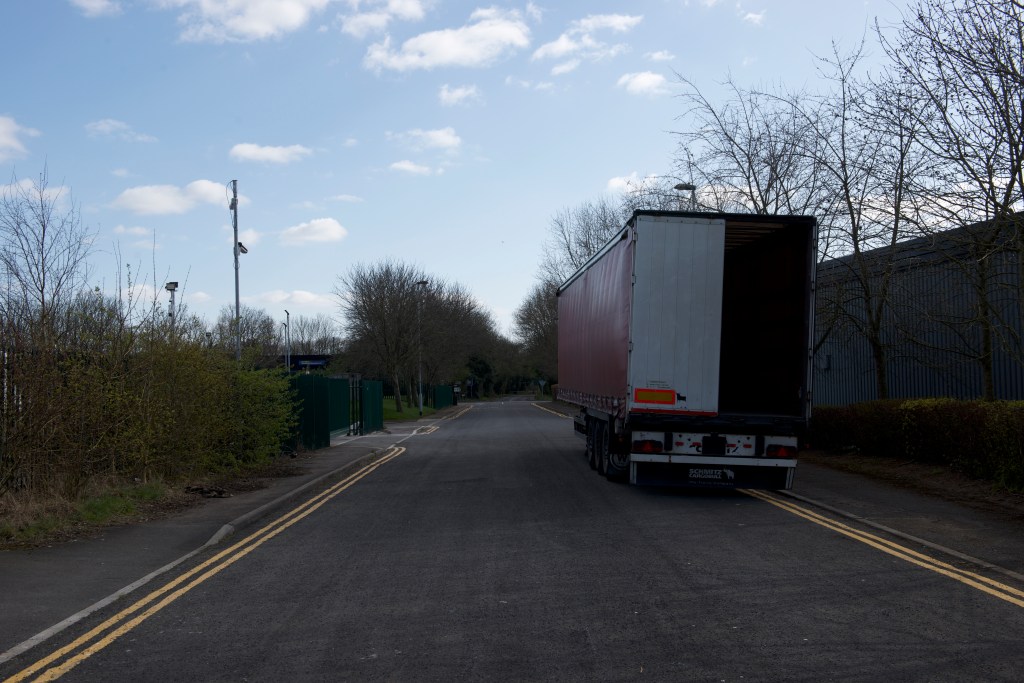
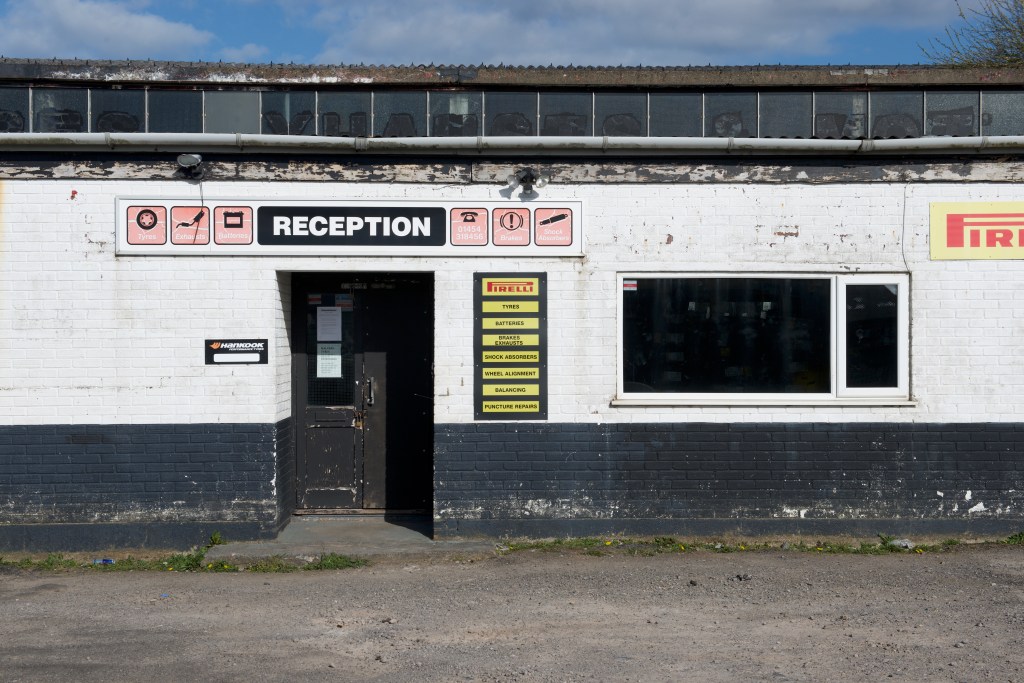
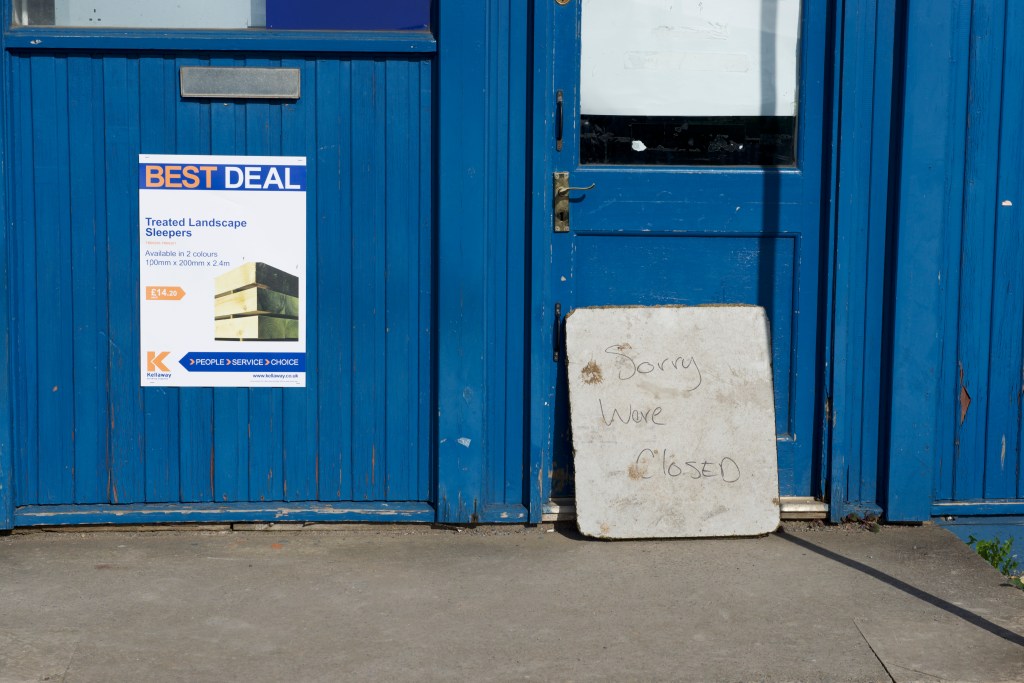
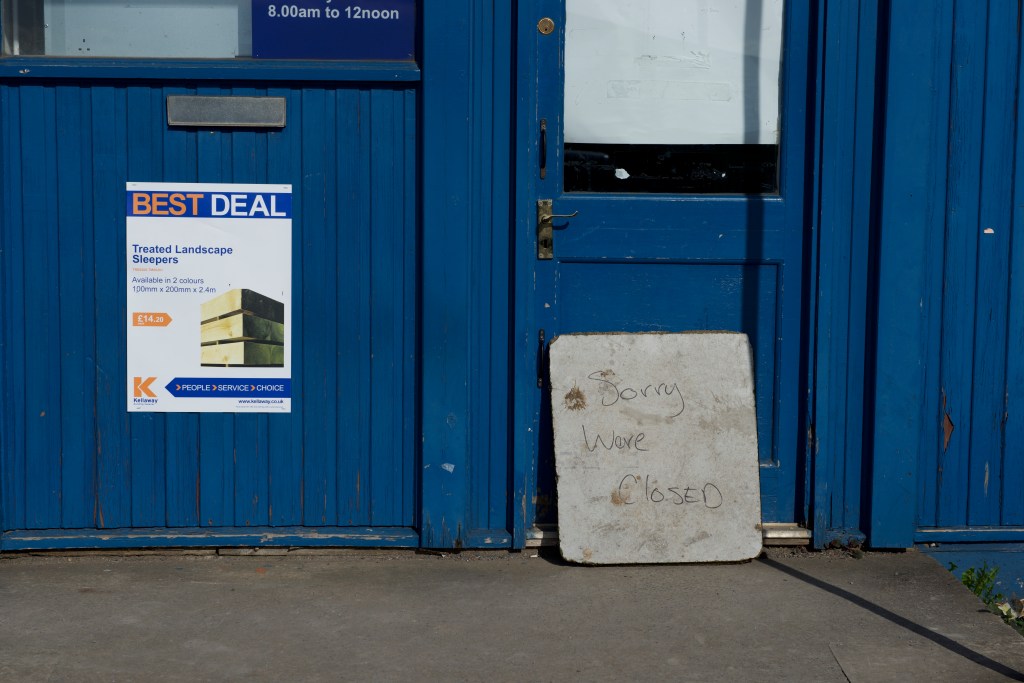
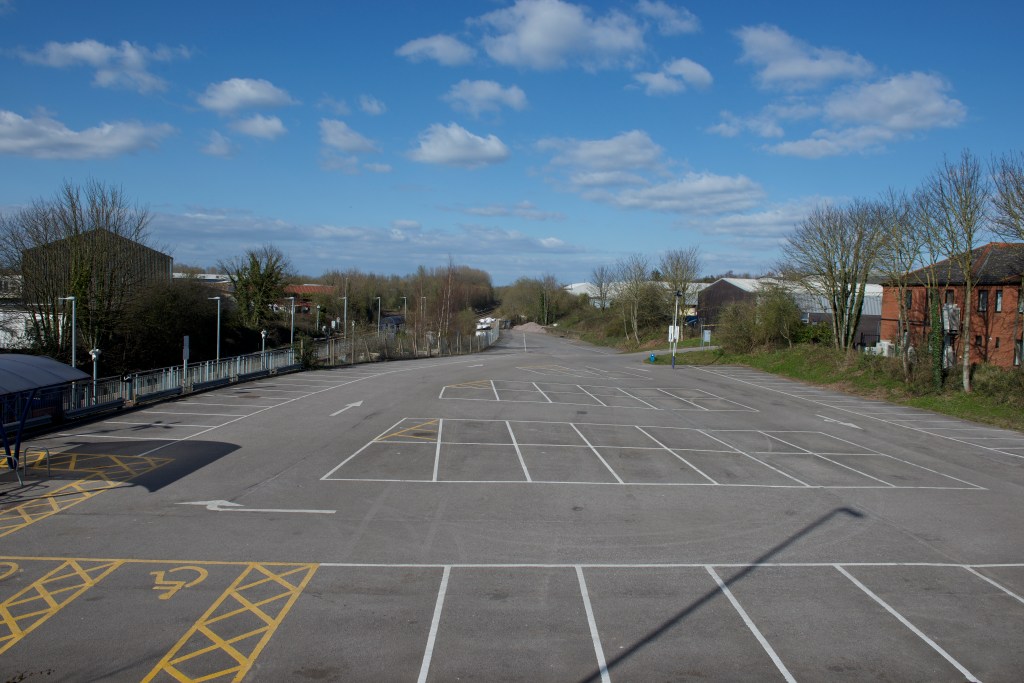
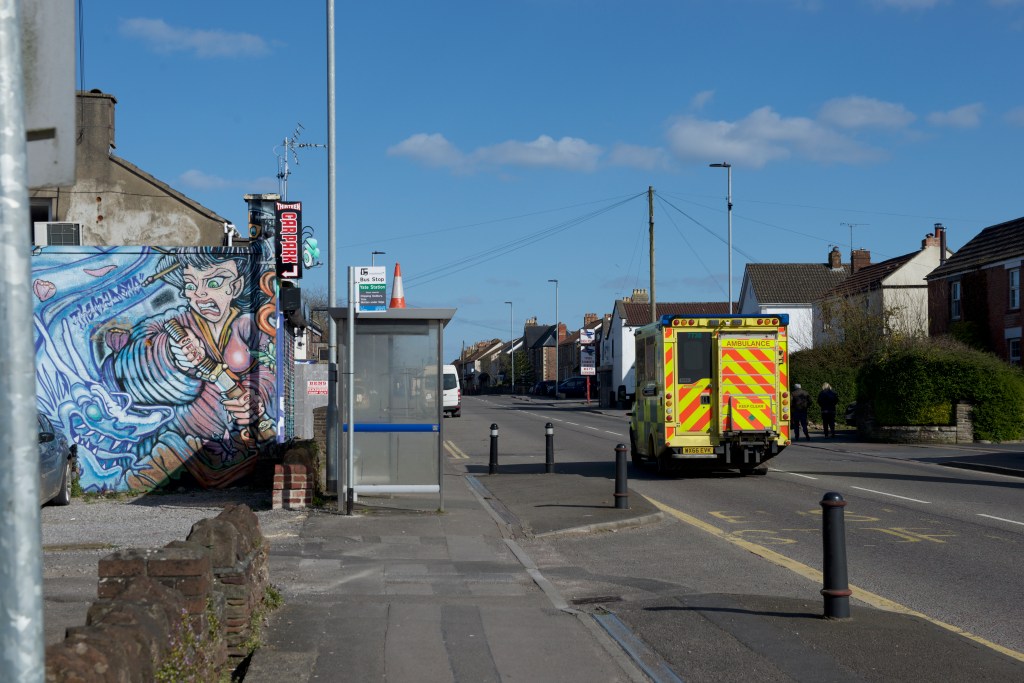
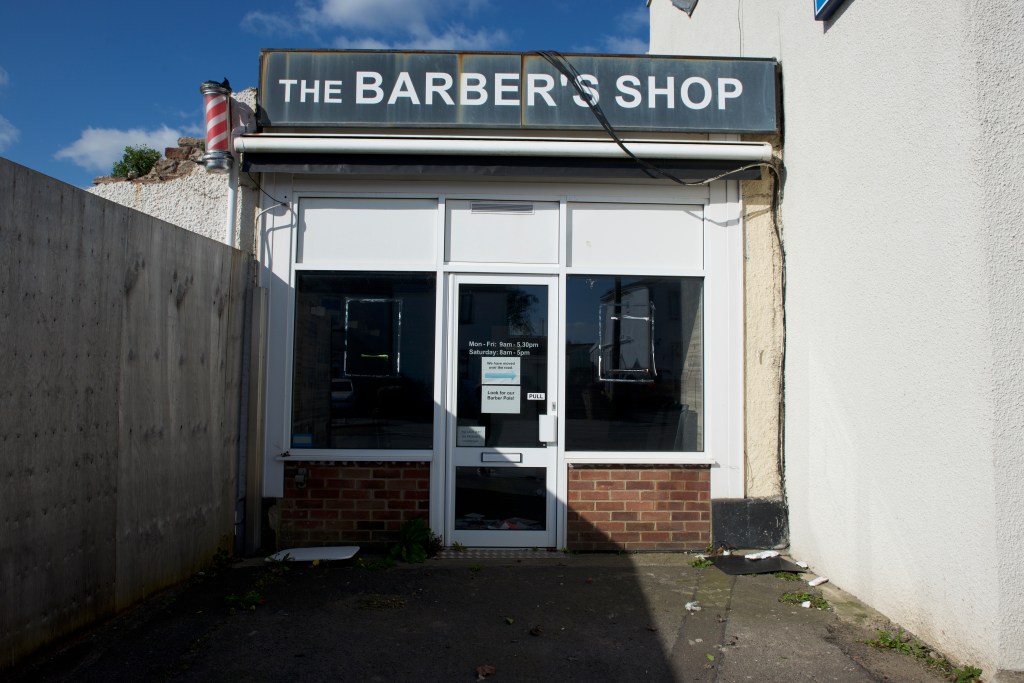
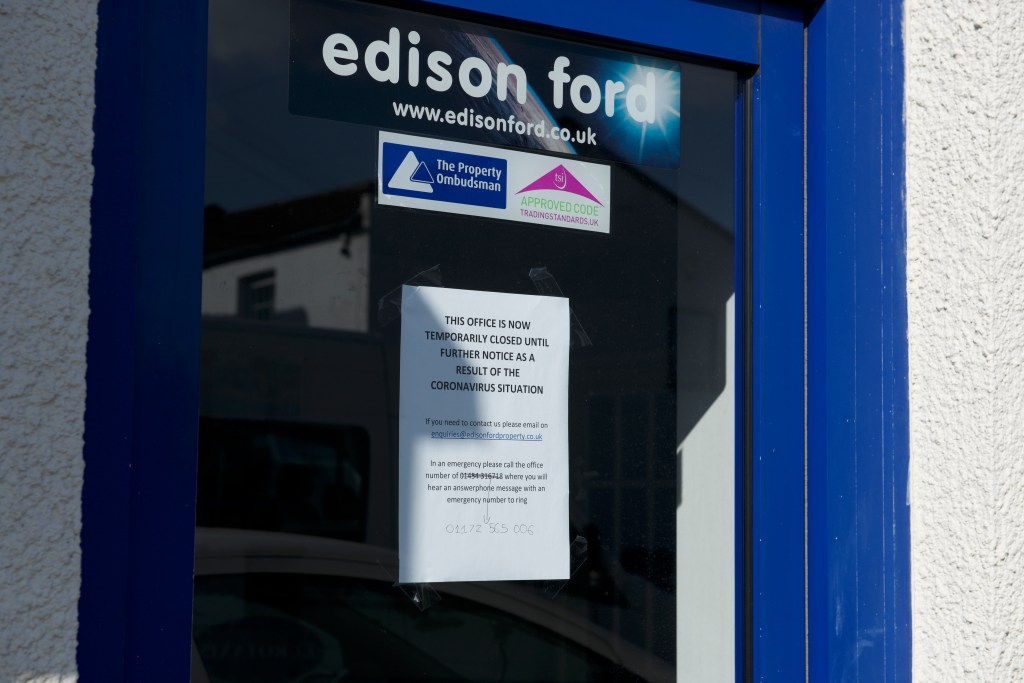
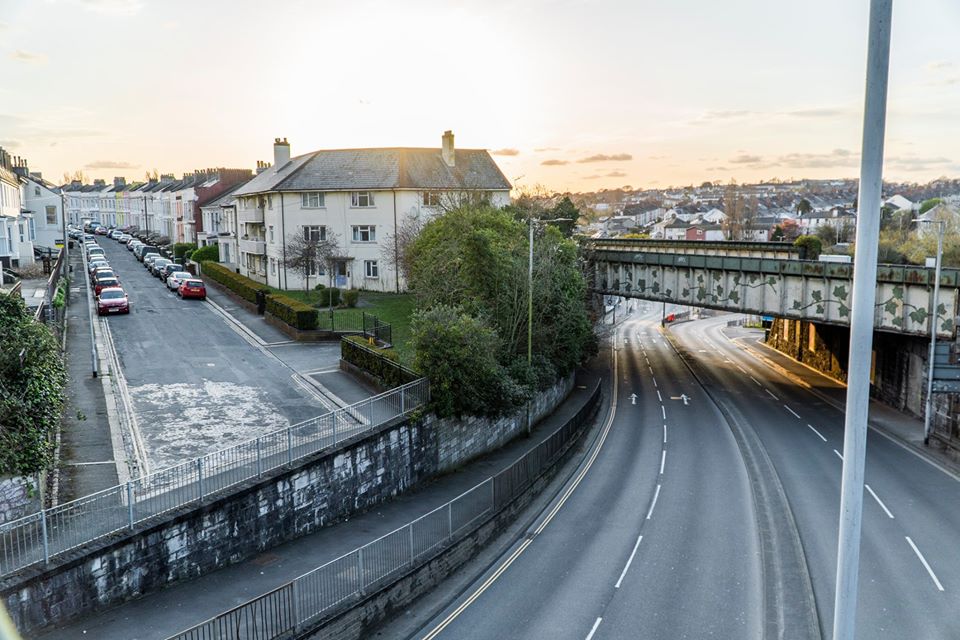
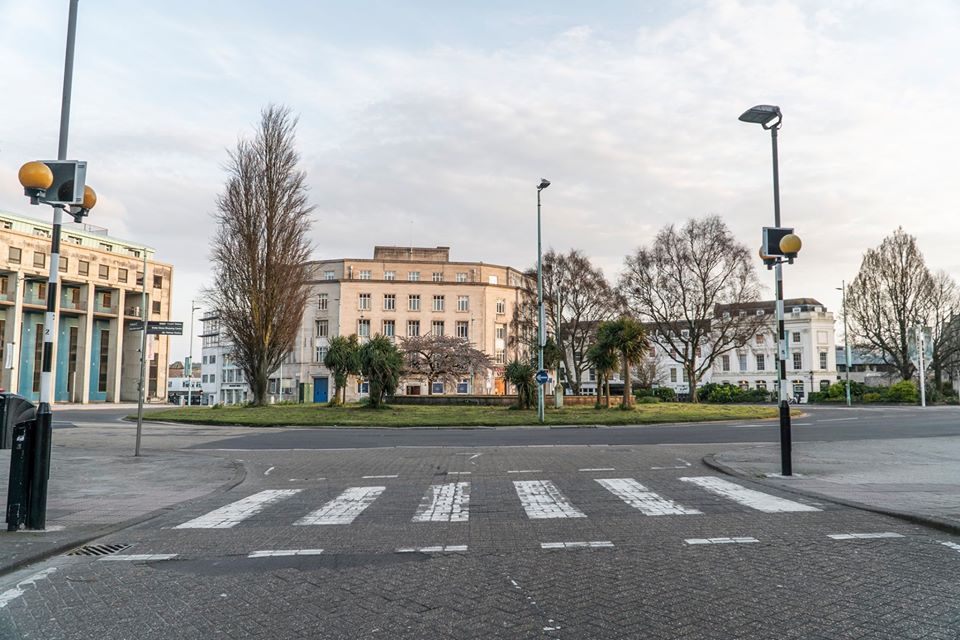
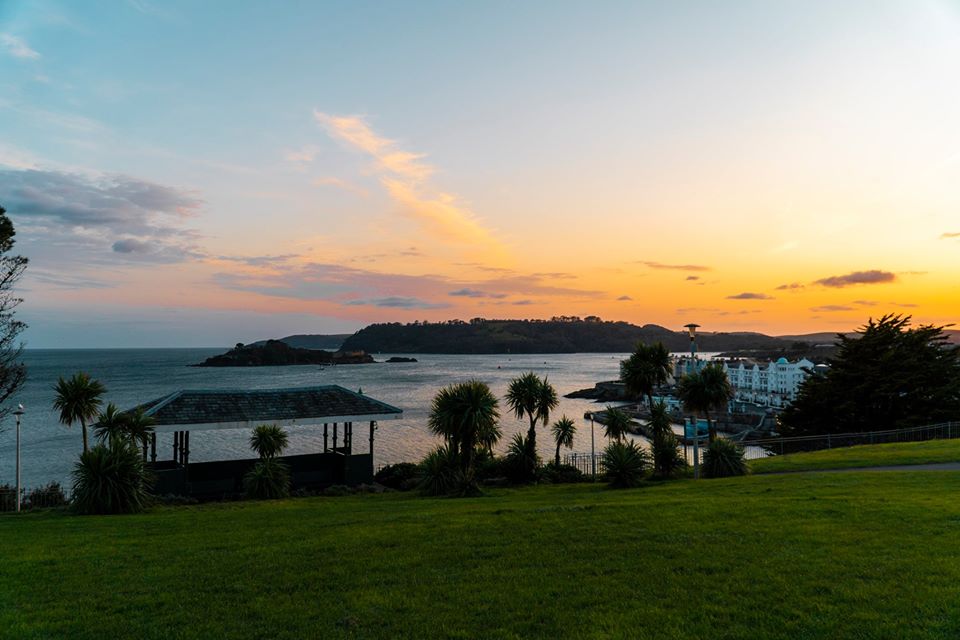
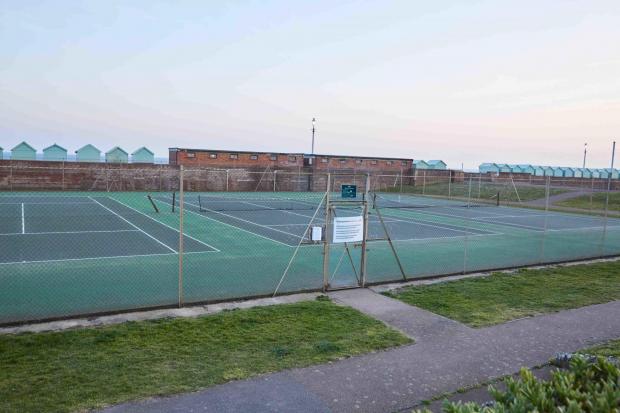
Inspired by Jay Stone’s photos of Plymouth and as the shoots I have done at home, have not been successful, I decided to go out and document the impact Coronavirus has had on the town I’m living in. These pictures include the last day I was at university before I moved home, the rest are of a long walk I went on around my town.

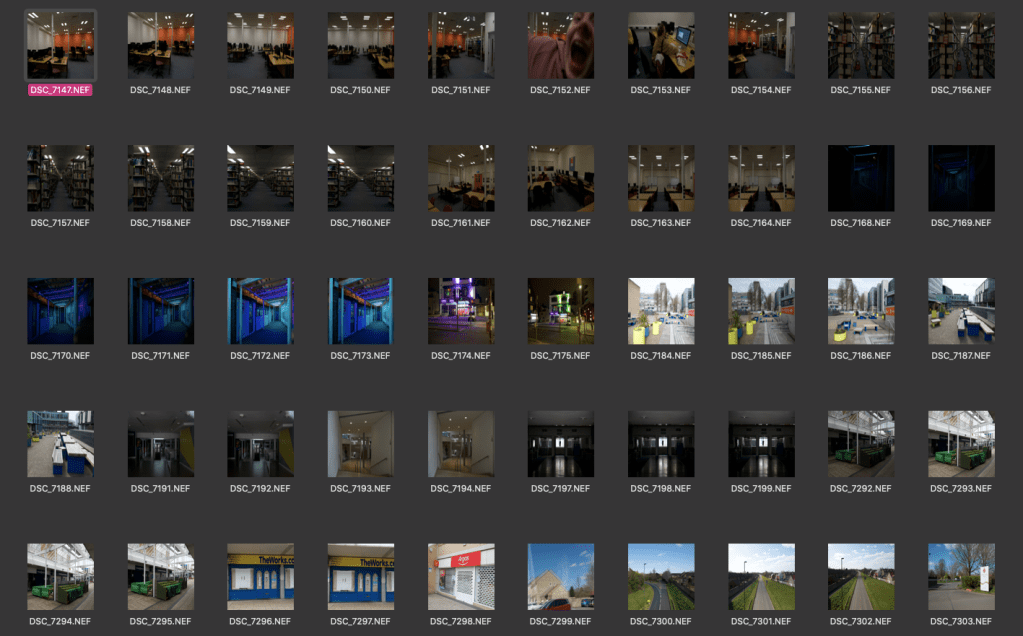
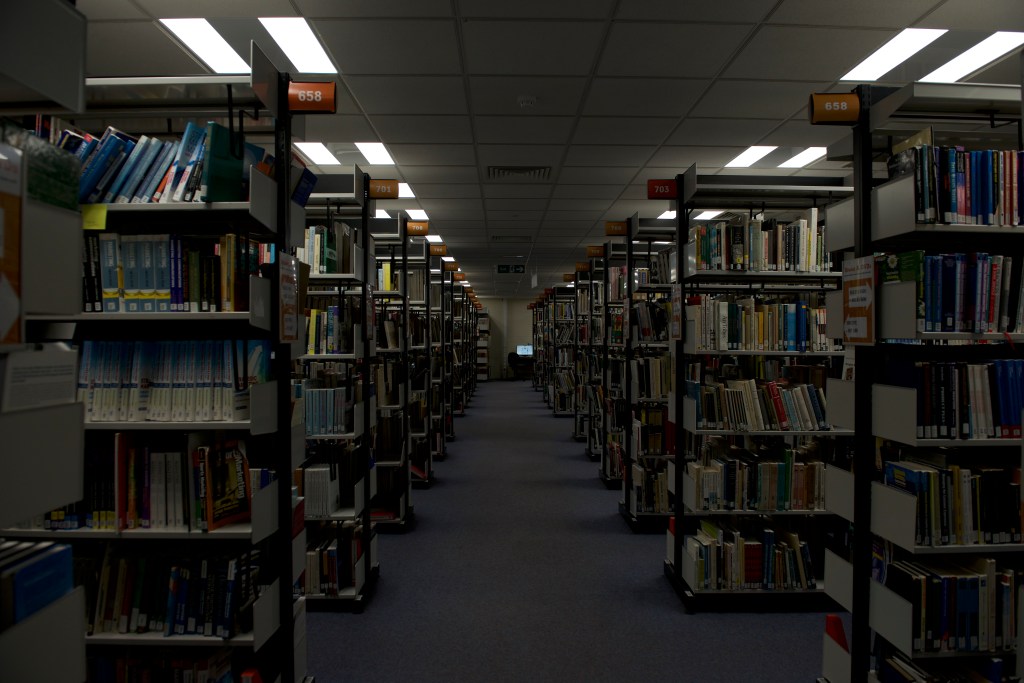
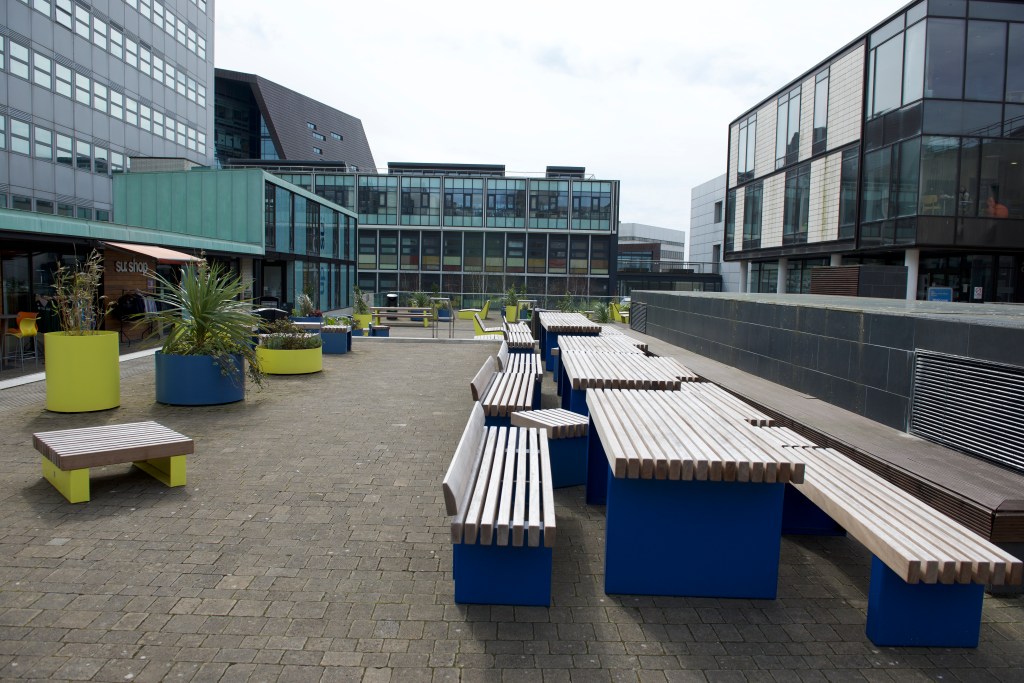
These first photos are from university. It was meant to been Varsity week but it was cancelled and now the uni was pretty much empty. I tried to capture the eeriness of the library corridors and empty SU. But these photos don’t fit with the rest and as I am not in Plymouth anymore, it would be hard to carry on.
These photos below are from around the town I live in. It was a few days after I got home and already it was so different to how it was before. I documented places that were normally busy and roads that were usually full. It was a sunny day so I used an aperture of around f.9 and fast shutter speed to get more of the image in focus. What could be improved is that the blue sky does not reflect the mood I wanted to portray in these images. I could look at reshooting on a cloudier day to capture a more moody photo. The composition was quite simple, I stood straight on to the subject. If I was to carry on documenting the affects of Coronavirus on the town, I will look into other angles to make it more interesting. But from feedback, I don’t think this idea is that effective at showing what I wanted to. From someone who doesn’t know the area, it could just be that the places that were closed on a certain day and the roads were normally like that. I understand this comment, to improve this I could look at things that people will recognise wherever they live. Such as long queues for shops and how different super markets are now.

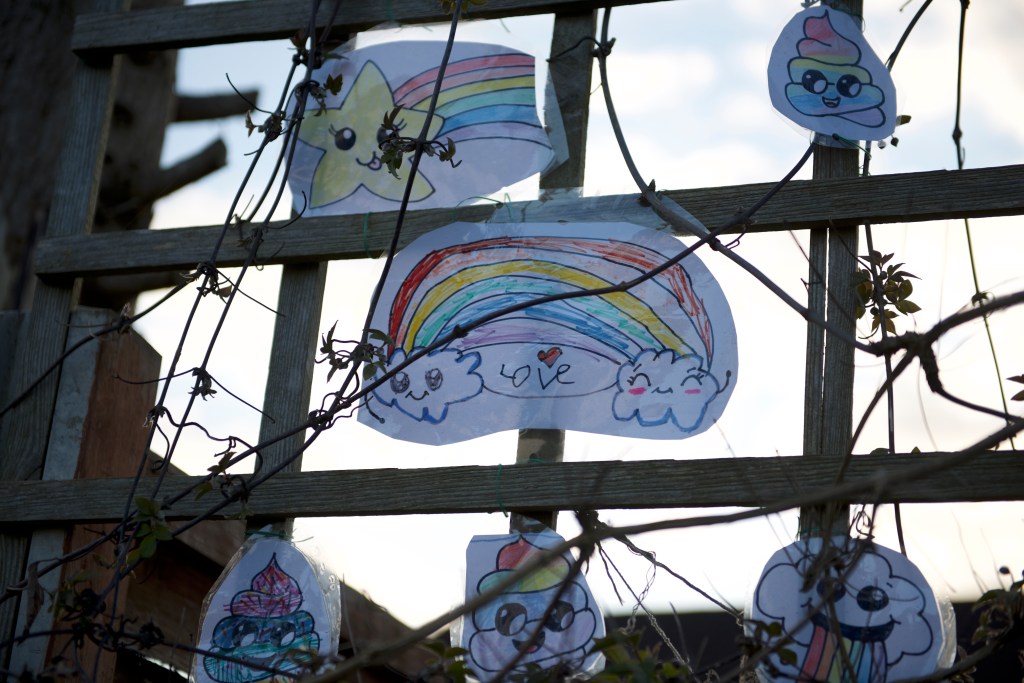
I have not completely ruled out this idea, but it would need a lot of improvement. After that walk, a new idea came to mind. I photographed my family through the window while they ate tea. There was a bit of reflection which added a new layer to the photograph. The idea of shooting through a window fits with the situation I am trying to document. Isolation and separated from family is represented by the window. Although these images are technically not good (too dark and unsuccessful composition), I am going to experiment more with this idea.

RESEARCH – HOW PEOPLE HAVE PHOTOGRAPHED CORONAVIRUS

For inspiration, I have looked into how other people have documented Covid-19. I am still unsure on where I want my project to go so looking at other work could influence my own.

A photographer from Bristol uses his daily exercise to document people in lockdown. He visits people on his cycling rides and take the portraits from a distance to obey to the social distancing rules. He calls the project the ‘Corona Chronicles’ and he got a lot of response for people to photograph by posting on social media. He hopes his work will be a lifelong reminder of the times we are living through.

Photographer, James Stoner who lives in Plymouth also did a similar thing and used his daily walks to document an empty city centre. He is capturing the ‘quiet world we are experiencing right now’. His images are eerie as it shows the normally busy roads and streets of Plymouth.

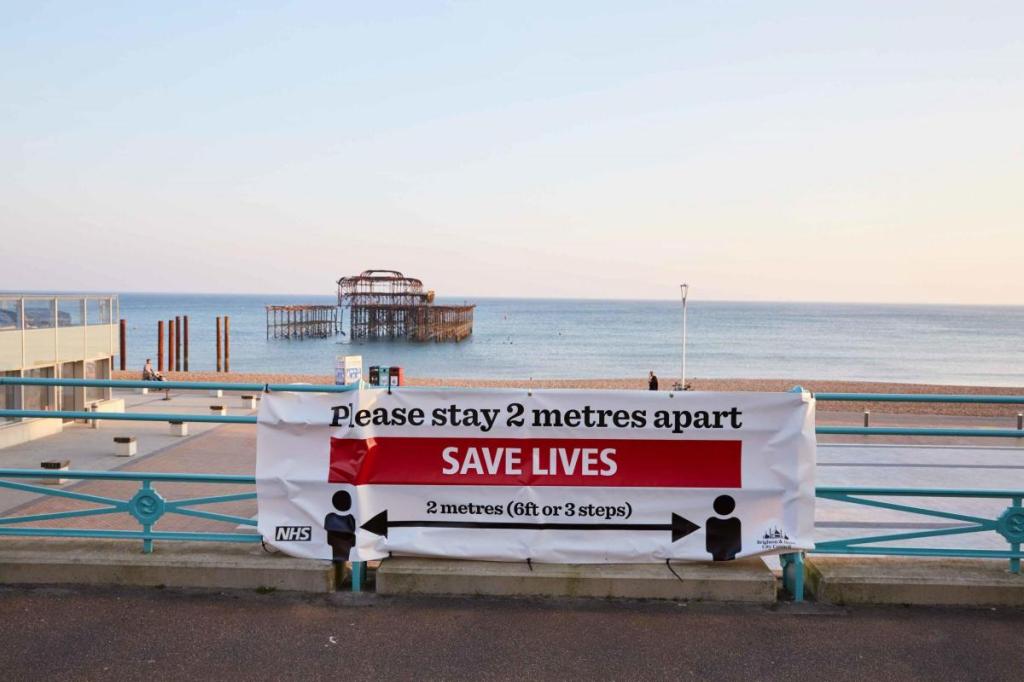
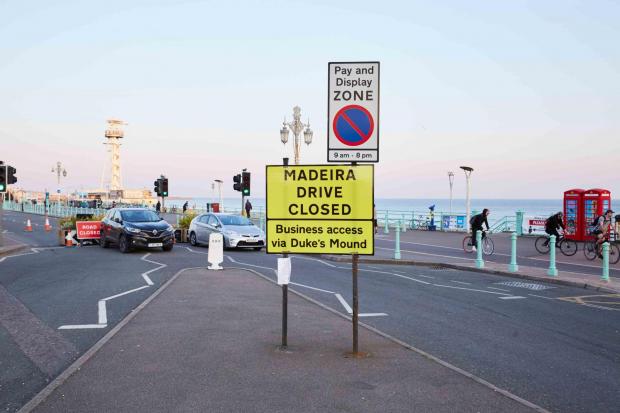
A Brighton photographer, focused on the sight of closures and signs about Coronavirus. He says these things ‘don’t really grab the eye but I know we will look back at this time and those sights will bring back the memories we are making now.’

I don’t particularly like these images but I do agree that this is something we will look back on in the future. That has inspired me because I could create work that could be useful for generations in the

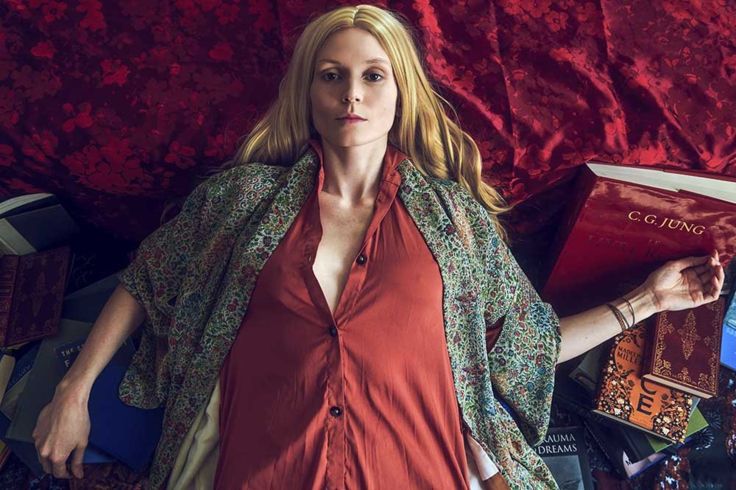
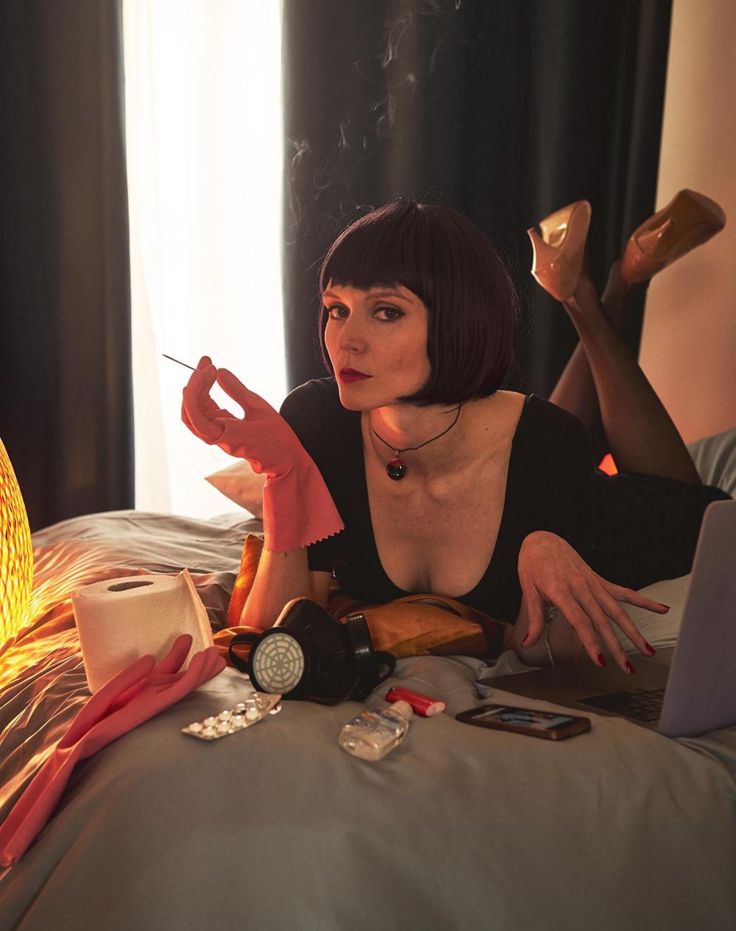
Photographer Julia Keil used her time isolating to conduct a completely different project and made a series of self portraits. She said “I felt as if in a dream, living somewhere between the real and surreal with the only guidance being news stories, hearsay and the changes I observed happening around me from day to day.” The free time she had made her pursue creative ideas she had had, and each day she decided on a portrait she would take. This also gave her days structure in lockdown.

I love this idea that she used each day to immerse herself into a new character. I think this could be useful for others in isolation to be inspired to use their time to be creative.

EXPERIMENTAL SHOOT 2 (P2)

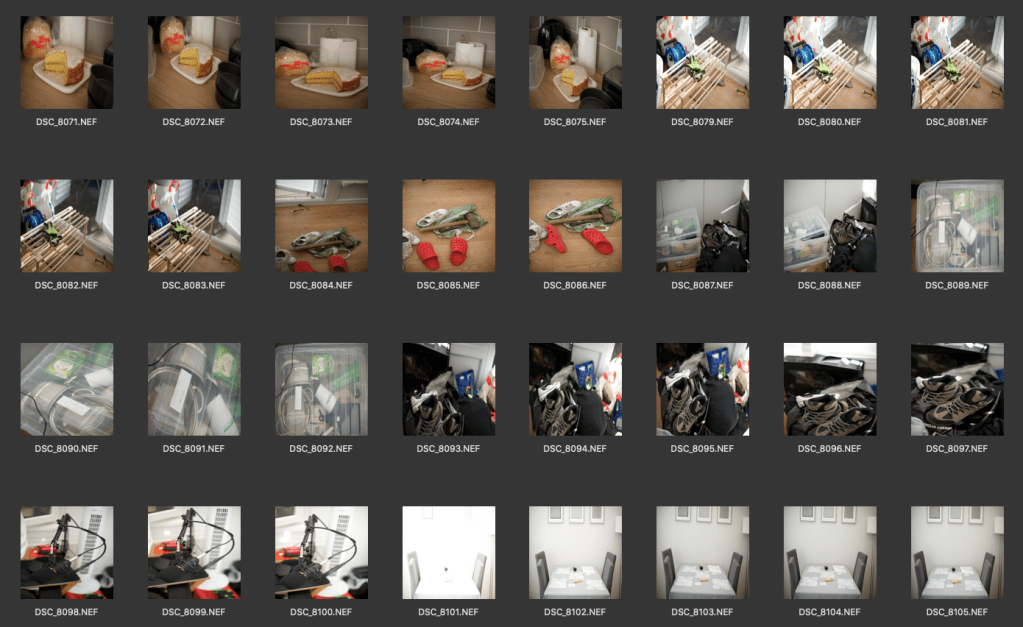
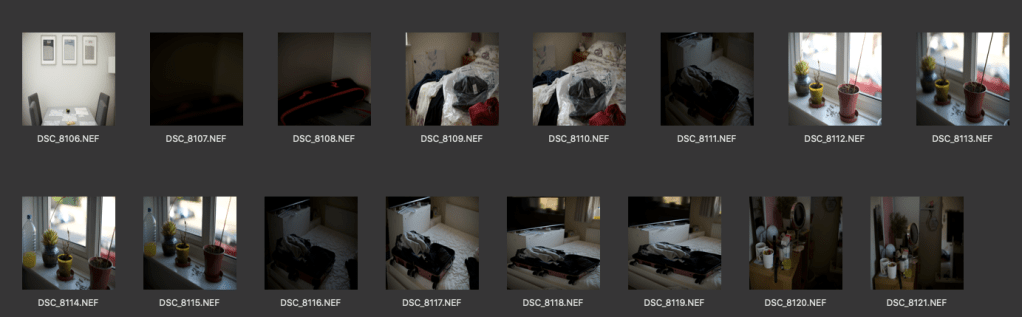
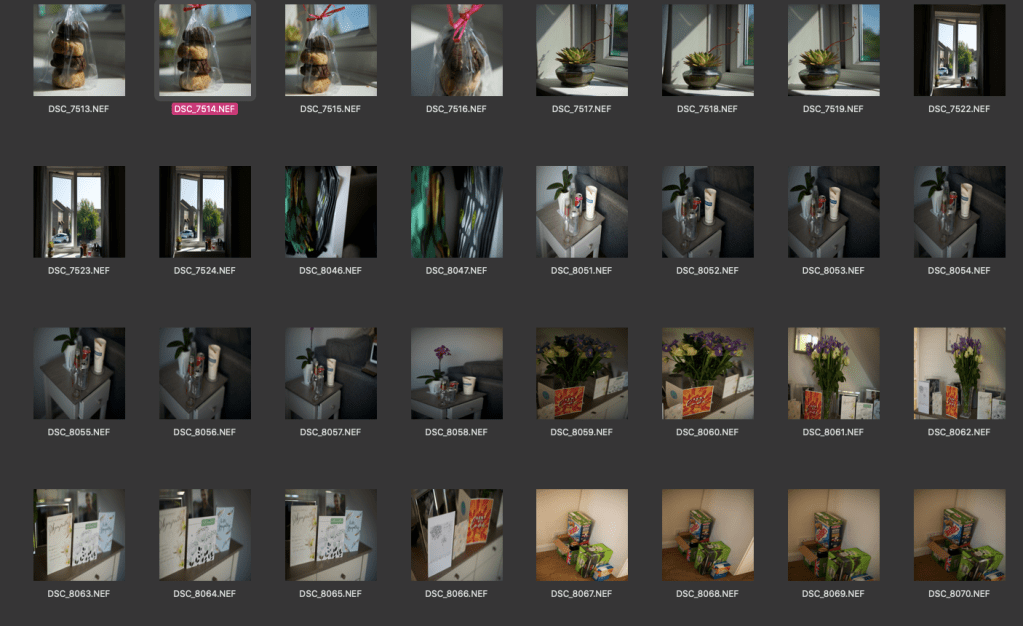
An idea I am going to experiment with is documenting my life in lockdown. To do this, I am going to look at items in the house. These will be everyday items that show how mine and my families lives have changed in lockdown. Nigel Shafran’s work has been a big influence on this shoot. It allowed me to look at the things I see often in a different way. I thought about how in Shafron’s photos I began really looking at what was in the frame and what it said about him. This helped me when I was going around my house deciding what to photograph. In some rooms it was a bit dark, but using the light from windows like in Shafron’s work was more effective than if I had used any artificial light.

This was an interesting shoot for me to do. I was documenting things I see everyday and so I had the mindset that I was someone else, to be able to shoot from a different perspective. The shoot was successful, I focused on a few objects in each image and I realised now the significance of each one.

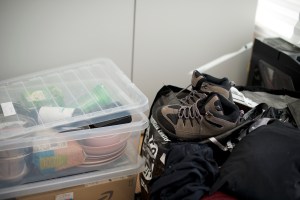
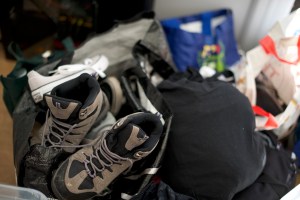
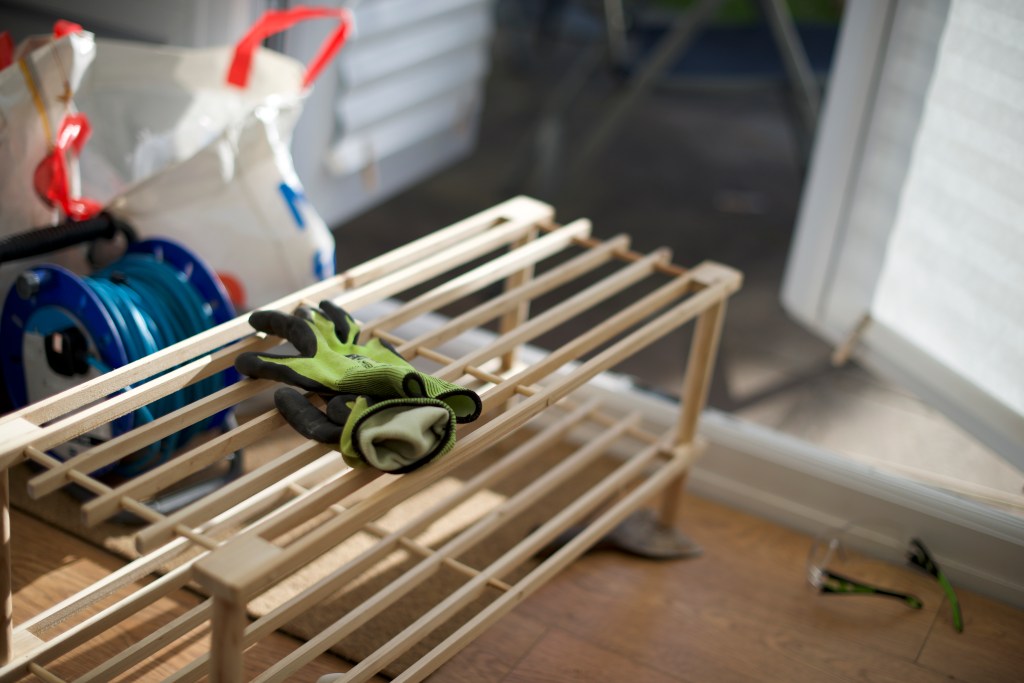
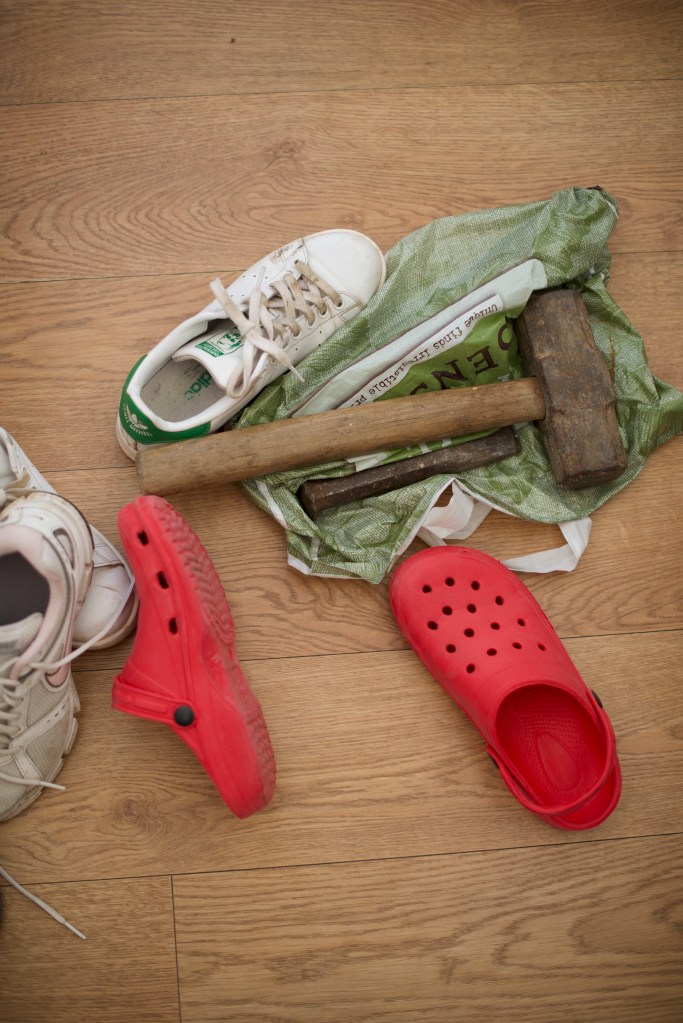
The first photos were of my items I had bought back from university. University for me, was the first thing that was affected by Coronavirus. I had to come back from university quite unexpected and so I had loads of belongings that just got dumped in my house with no where for it to go.

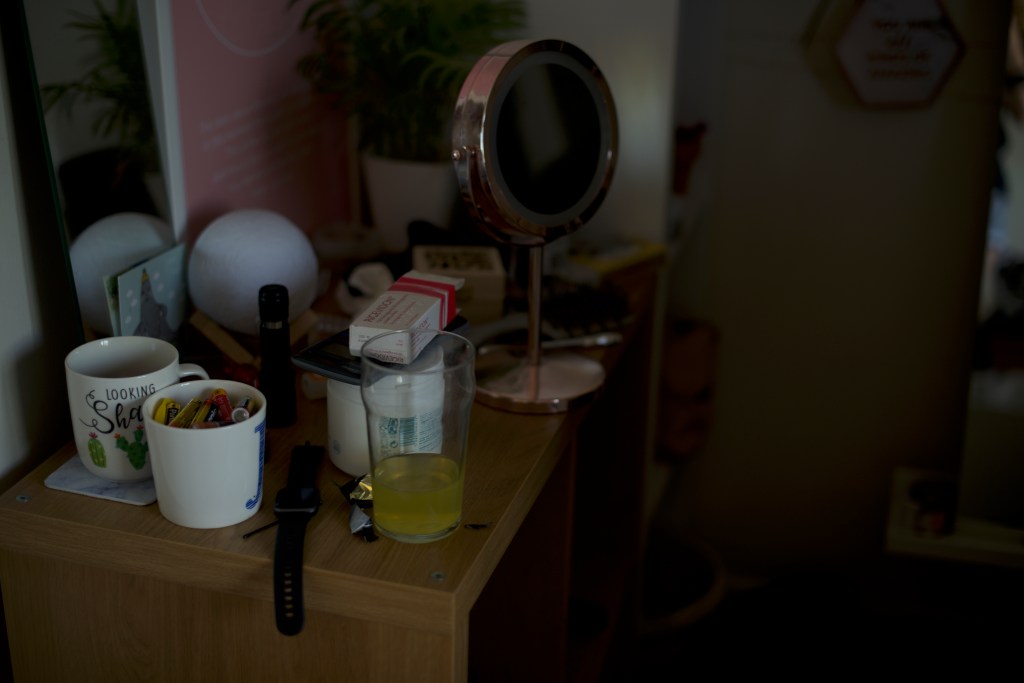
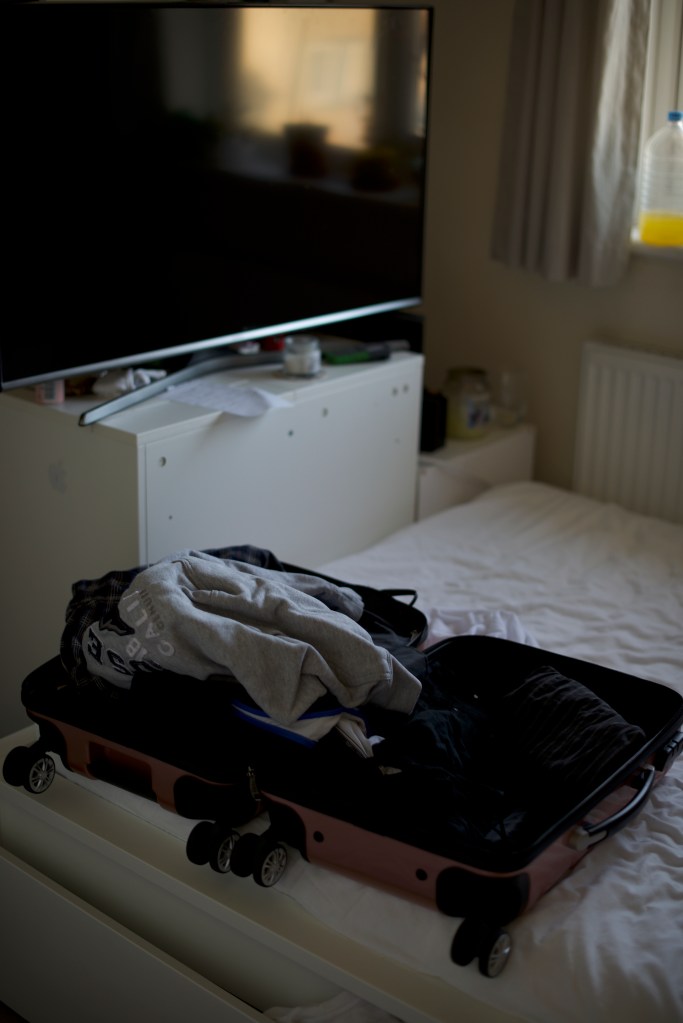
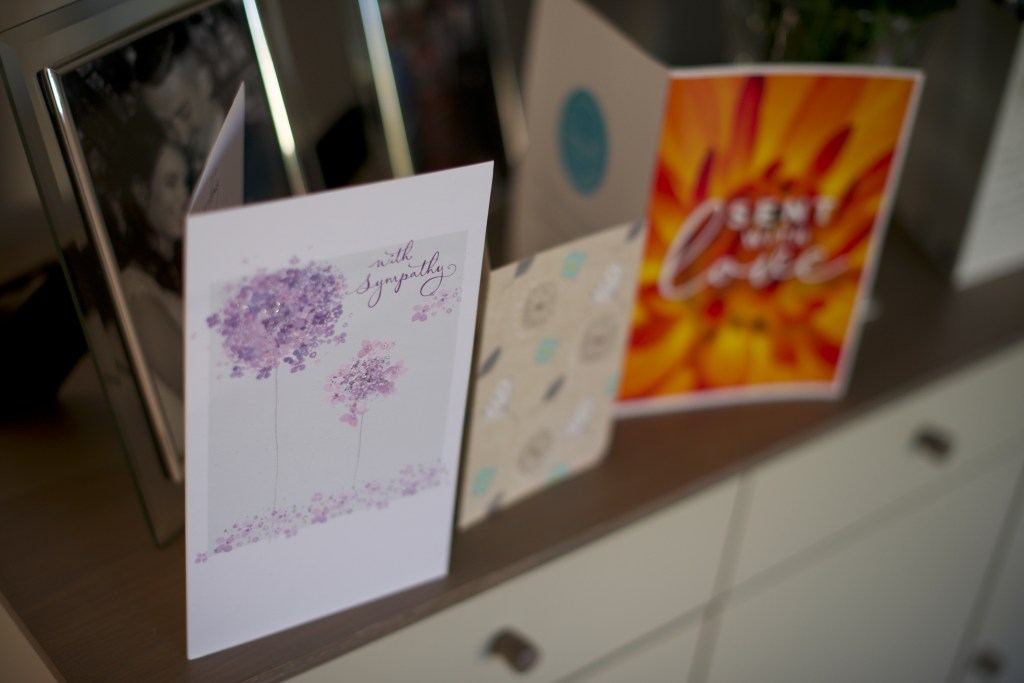
The next images look at other things my household have had to adapt to. The first two images just looks like a messy room but for me it shows more. My boyfriend has moved in with little notice and so we have squeezed so much stuff in a small room. The next two photos show something we have been doing a lot of recently, gardening. There is ‘with sympathy’ cards in the last image. Unfortunately this is a part of Coronavirus that too many people will experience.

I have never photographed ‘the everyday’ before but I realise it can make you think more imaginatively when photographing. Technically, this shoot wasn’t too difficult. Some rooms were a lot brighter than other but I kept a wide aperture and increased the shutter speed. I used a shallow depth of field to isolate certain objects from the background. The soft focus in the background is more aesthetically pleasing.

The photographs are successful but I realise they mean so much more to me than anyone else viewing them. To someone else these are just random objects in a house. For this reason, I am not going to carry on with this idea. Also as I’m stuck in one house so it would start to get repetitive.

VISUAL RESEARCH – NIGEL SHAFRAN

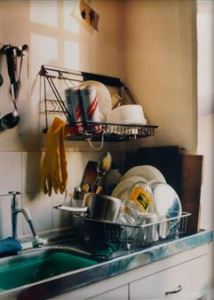
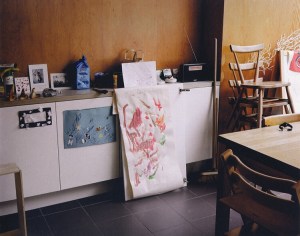
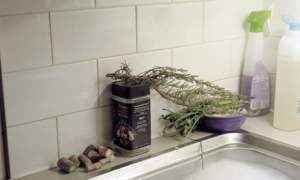
I have always found home and ‘the everyday’ interesting photography work. It is things that are normally overlooked, especially in your own home. Nigel Shafran documents around his home making everyday objects look so much more aesthetic.

His sink and the washing up around it features quite a few times in his work. His photos allow you to see things differently, most will see piles of washing as ugly but somehow Shafran has made it look pleasant. In the second photo in particular, the use of light has been effective. The warm light has created soft shadows on the wall. The low light has also created soft tones which is more pleasing to look at.

To Shafran, these are objects he sees most of the time and might not think much about them. But to us as the viewer, they give small insights into his life. This is what I want to portray in my work, to document items that show more about how we are currently living. When looking at his work I am intrigued by all the objects and automatically start assuming about who he is.

Shafran has managed to capture beauty in the mundane. The use of light creates soft shadows and tones which make the images aesthetically pleasing. This is done through natural light, probably from a window. I am going to make sure in my own work to only use the light available to create the same affects. His work is really inspiring as normally people take photos of family, events or special occasions. How many people focus on the mess within their homes? I can imagine he would look back at these photos in a few years and they bring back other memories. Even after this pandemic, I would like to document more of the things in my house that make it my home.

SUBJECT RESEARCH- CORONAVIRUS

As my new project will be based on the life during Coronavirus, I am going to do research into it. I already know a lot about it but I want to be sure I am portraying the situation correctly.

Coronavirus, known as COVID-19, is an infectious disease. It was first identified in December 2019 in Wuhan, China. It then spread causing a global pandemic.

The main symptoms of COVID-19 are fever, cough and shortness of breath. As of 24th April, there have been 2.72 million reported cases and more than 191,00 deaths. It is spread between people during close contact. Also through touching contaminated surfaces.

Because of how infectious it is, this is why there are many measures in place to avoid infections. Many countries are on lockdown, were people can only leave their houses for essentials. This is what leads to my project ideas. This change of life is a big shock for many people and I want to document it.

The next big news break will kill coronavirus fears | Op-eds ...

EXPERIMENTAL SHOOT – FAMILY

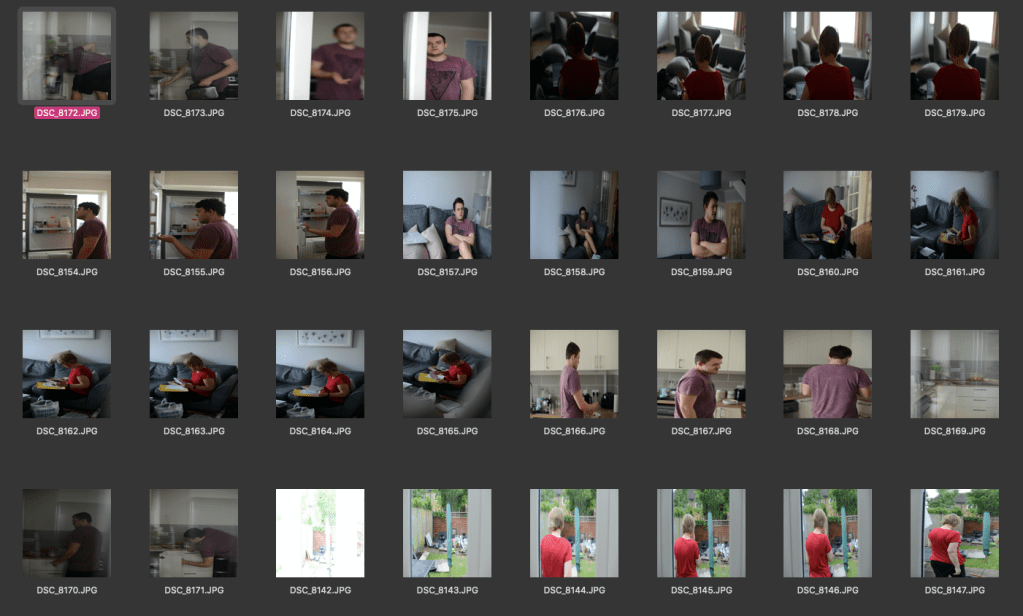
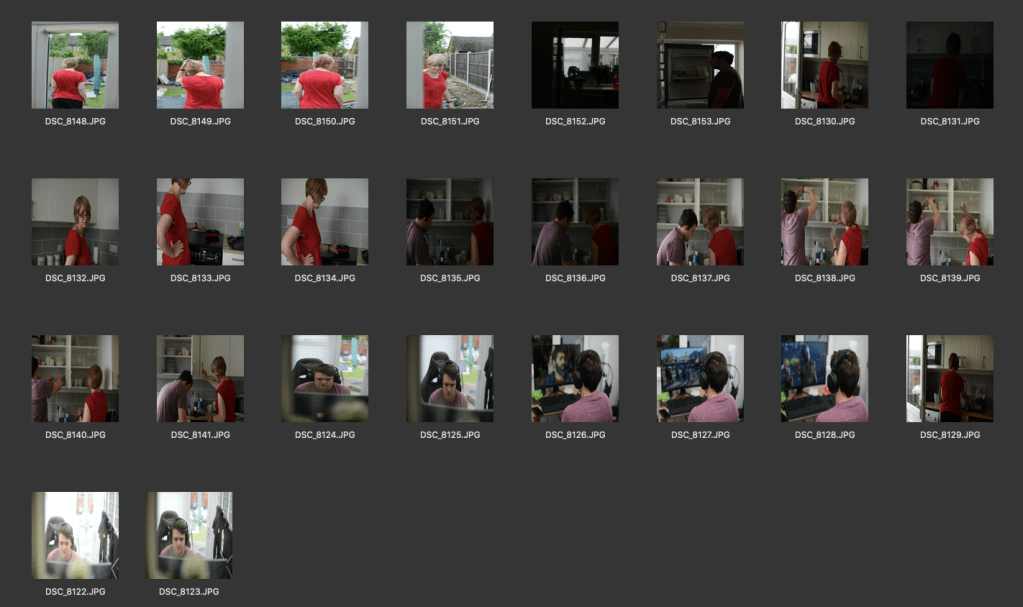
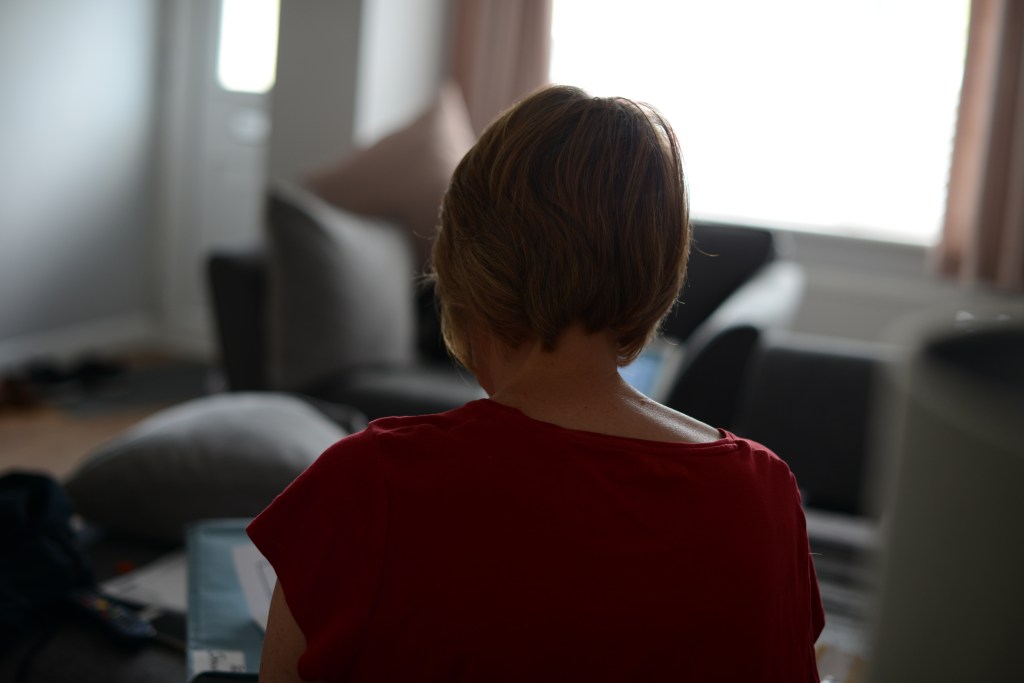
For this shoot I photographed the two people I live with throughout the day. In my theoretical research I understood that distancing myself from the subject can change my perspective on the subject. I have spent a lot of time with these people and so seeing them almost from a strangers point of view will make it more interesting. It was an overcast day so I was using quite dull lighting with little shadow. I used a shallow depth of field to make the subject stand out from the background. This allowed me to use a faster shutter speed as I was taking photos as they were moving.

I went for a candid approach as I liked this documentary style that Leonie Hampton did. By not staging my work it shows them naturally, showing an accurate representation of their lives. To add to this candid effect I shot with other things in the foreground. The object out of focus in the foreground adds depth to the image (something I learned in the last module). I also shot from different angles to create more interesting composition.

These images are successful as everyday portraits but I will not carry on with this idea as I am not inspired enough by it. I enjoyed capturing my family in the style that Leonie Hampton did but there is not enough meaning behind them for me to be inspired to carry on. Being in lockdown with the same people in the same house is going to be difficult and so I need a project I am going to be excited about. This shoot has been good at allowing me to pretend to change my relationship with the subject to document from a different point of view. This is something I will remember in future shoots.
Design a site like this with WordPress.com
Get started