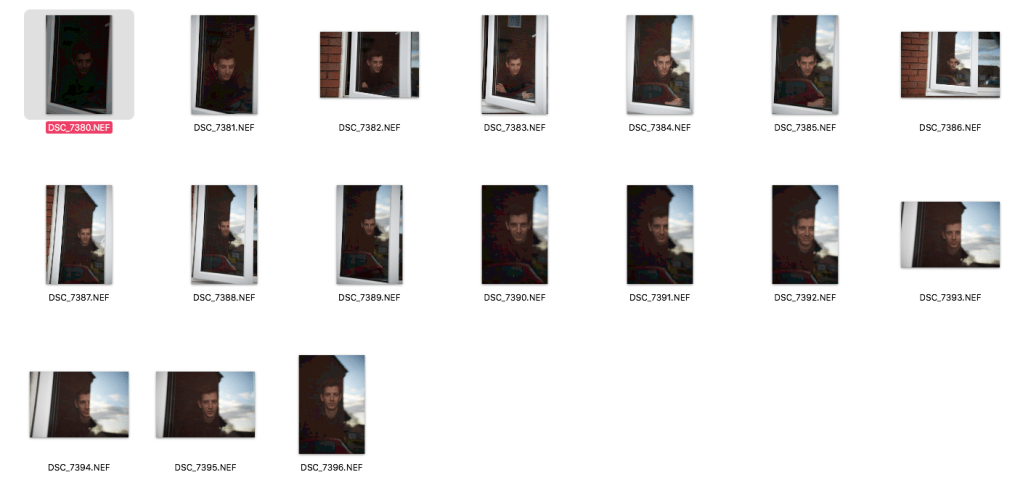
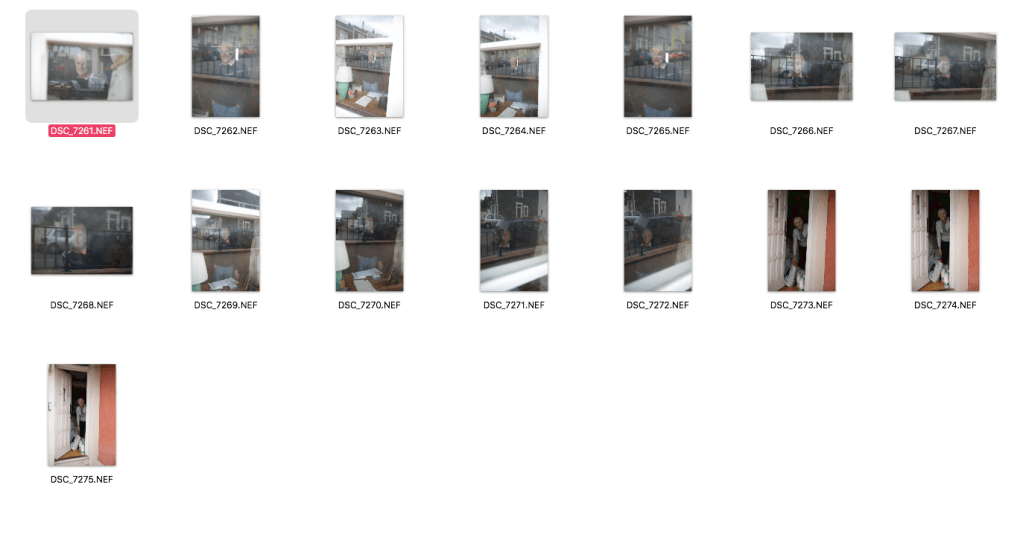
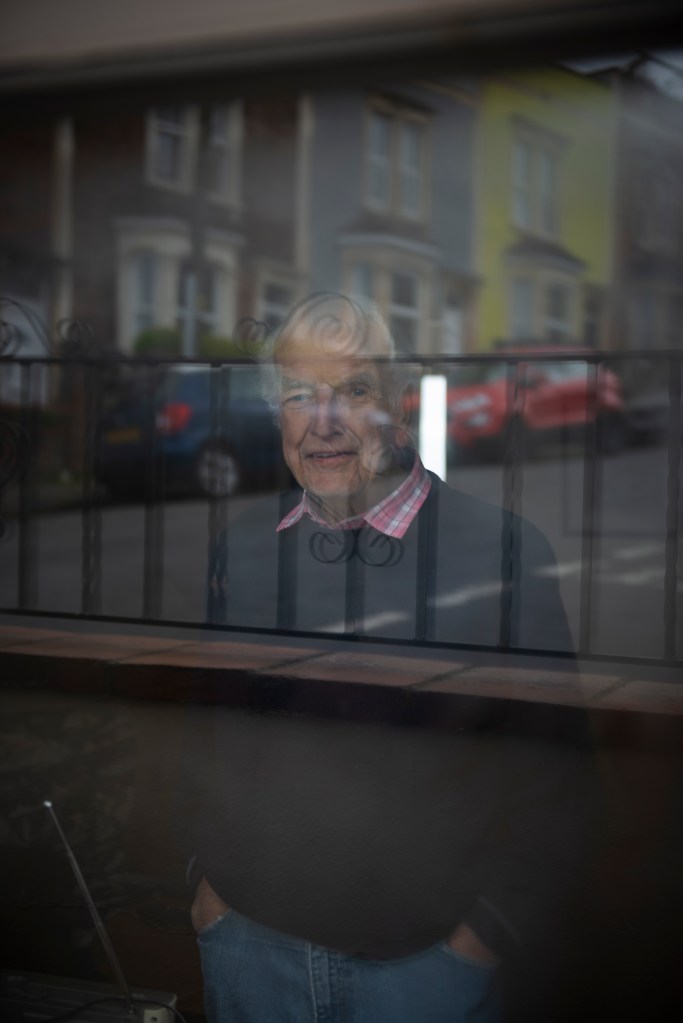
In my last shoot, Meg said she was dropping food at her grandparents and I was welcome to go and take their photographs. This was good as it would give me two more people to take their portraits.
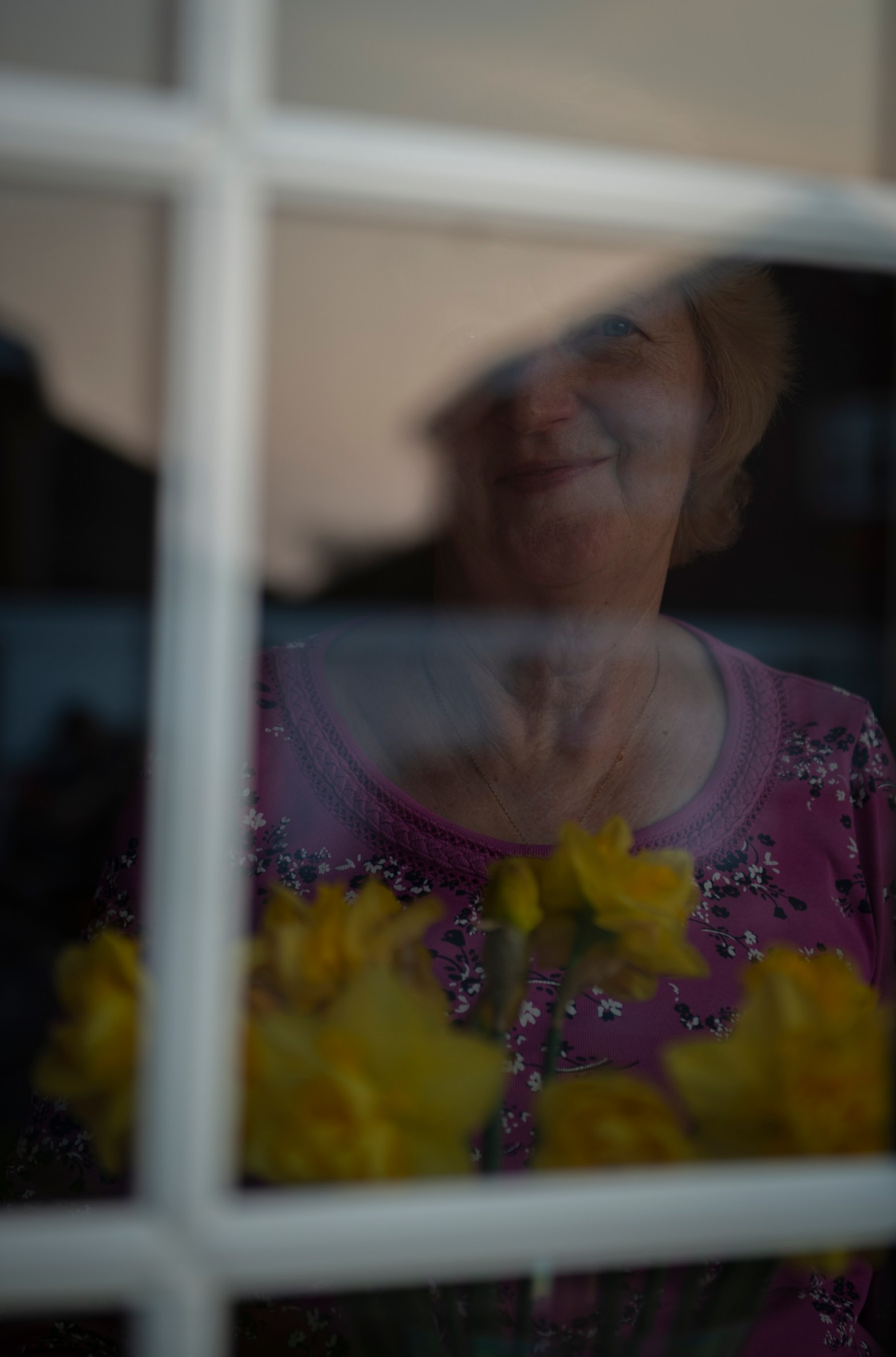
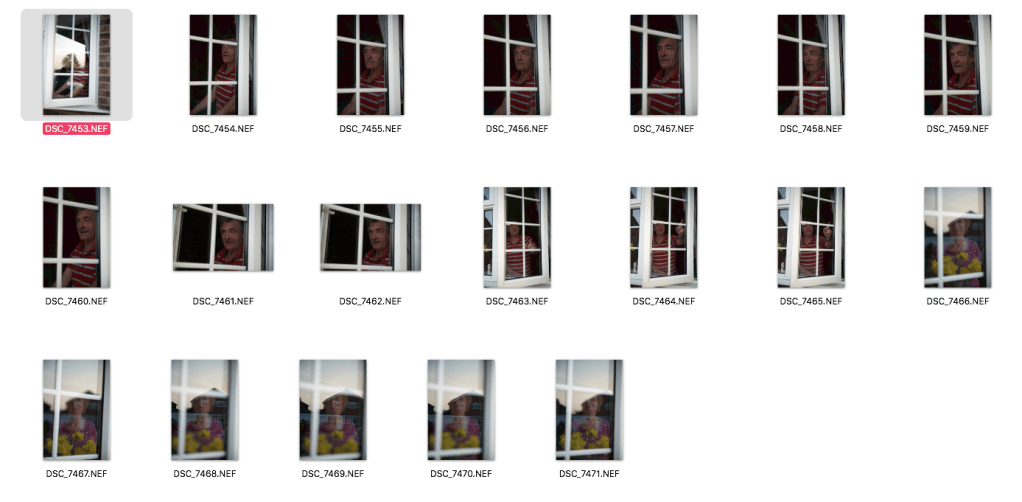
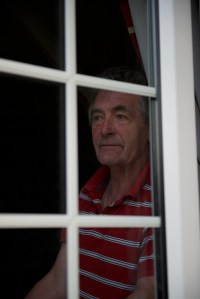
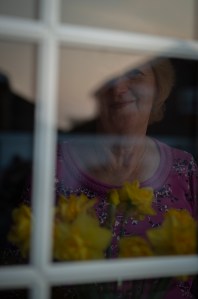
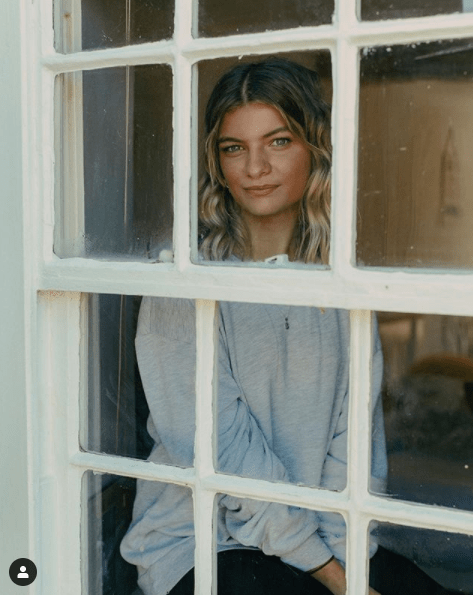
I knew straight away that this shoot was not successful. Of her granddad there was no reflection in the window as there wasn’t much behind. Although apart from that it is an effective image, it would not go with the rest of the series. I used a different window for her Gran but the light didn’t hit it right and was too bright, almost hiding the subject. Also I asked her to not smile but I still think she looks too happy for the effect I am going for.
Although I can’t use the images from this shoot, it made me realise there is part of the photos that I just can’t control. The position of the window or where the sun hits is something that I have to try my best to work with. Im going to go on shoots being aware that it might just not be successful for how I want my project to work. If I get enough people to take photos of this won’t matter too much as I can just pick the ones that fit best with the others.
I watched a documentary on Netflix about this pandemic. Having more knowledge on the subject will allow me to accurately show the topic. It was really interesting because the Explained programme did a documentary late last year, before the pandemic started, about what would happen if there happened to be a pandemic. Little did they know that one was about to happen.
The episode from last year said there was 1 and half million virus’ in wildlife and it could take just one getting into the human population to become catastrophic. People in infectious disease knew it was coming. They said that if there was a pandemic, the world would not be prepared!
There was a lot of scientific explanation about Covid-19 which was interesting, but it won’t influence my work. They said about how it is spread through, nose, mouth and eyes. It’s not easily recognisable as people display flu like symptoms or sometimes no symptoms at all. This makes it so easily spread. Virus’ have a balance between infectiousness and deadliness. Highly deadly ones are normally less infectious as the symptoms are obvious and people often die meaning they can not spread it to people.
What I found most interesting in the documentary is how we respond to it. For things to go back to normal as much as possible, there needs to be a vaccine. For now social distancing/quarantine, will slow down the spread until the vaccine is found. If too many people are infected at once healthcare can’t cope and more people are likely to die. The lockdown will suppress the curve, then we have to gradually come out of the lockdown to prevent a second peak.
There was a diagram in the documentary of how many people would have been affective if China had locked down 3 weeks earlier, there would have been a 95% cut in cases. It makes me wonder about the UK. Governments downplayed the virus to begin with, we were simply told ‘wash your hands’ and now we have one of the highest death rates in Europe.
This research has got me thinking a lot more deeply about Coronavirus and how things could of been different. It is scary to think that another pandemic could easily happen again but be more devastating. These emotions are familiar to a lot of people right now and this is what I want to be able to show in the portraits. There is an overwhelming feeling of uncertainty.
Being alone can lead to many emotions such as sadness, anxious and loneliness. Many photographers who work alone are likely to experience this and its just as important to document it. In her book, Olivia Laing talks about how loneliness is ‘less a state than it is a fixed part of our identity’.
Sam Hellmann’s work ‘Love and Loneliness’ explores these two emotions that we are all too familiar with. Photographing these emotions can be challenging though, you have ‘to have something that is truthful and personal but not too personal that people feel excluded from it.’
Documenting loneliness is important as so many people experience it but it is not talked about enough. Cedric Roux addresses the subject in his long term project, ‘Solitude Urbaine’. He portrays the feeling of loneliness, evoking the sense of isolation. He developed his work from singular portraits as he said ‘the feeling of loneliness is far more complex than can be communicated by simply isolating a subject in the city’.
I read a blog post by Nico Goodden, he photographed people alone in London. But he said solitude doesn’t always mean sadness. It can mean joy, freedom and independence. He wants to represent the theme of loneliness in a way that people can relate to him. That maybe it is not always a negative emotions.
But why is is important to document loneliness? For the photographer it can help them explore their own thoughts and ideas. To start to understand such a complex emotion. For the subject, a connection with someone might be exactly what they need. And for the viewer, an awareness on a topic they might be completely unaware of.
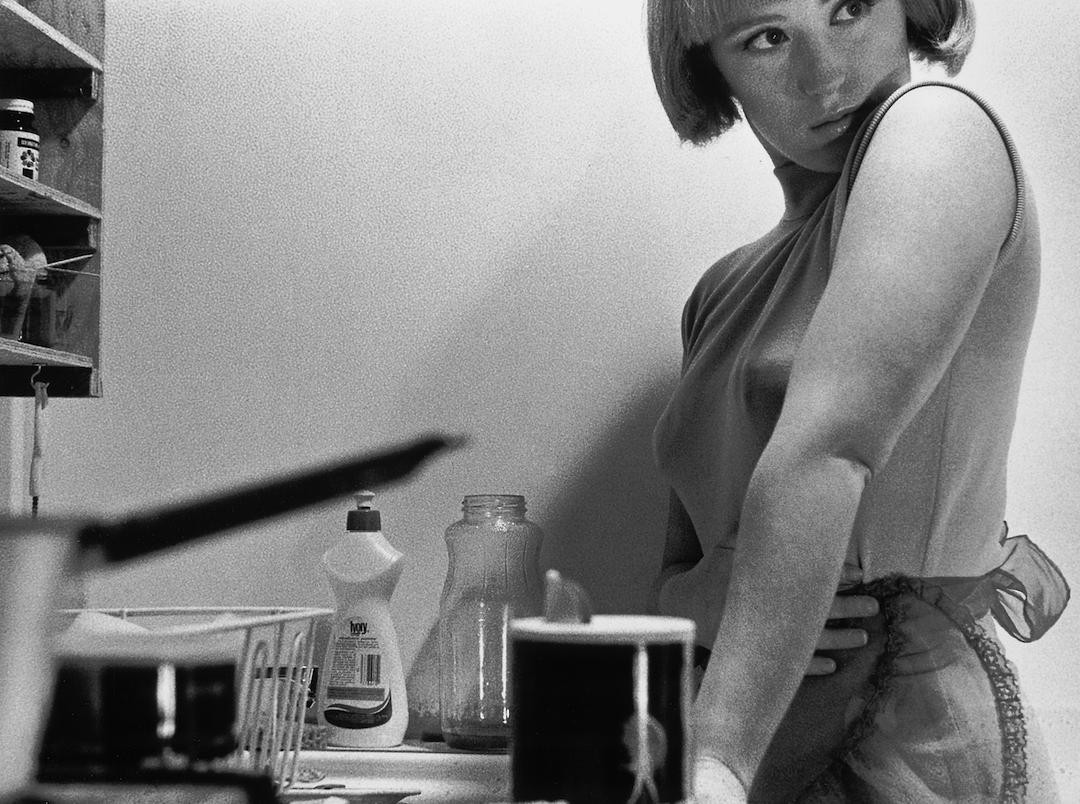
My research has really driven this shoot. Firstly in my visual approach as I thought more about how I was using the window in the frame after being influenced by Alex Ingram. I then thought a lot about Saul Leiter’s work and the affect that the window has on the relationship between photographer and subject. Therefore changing the way the viewer sees the photograph. I want there to be less of a connection between me and who I am shooting as this represents exactly how people are feeling. The main reason the relationship has changed from the window is the difficulty of communication. Even before the shoot I can’t get close to the subject to give instructions. Although it can be challenging, it does naturally create the distance from the subject, helping give the feeling of isolation. Lastly and the most important thing is how Cindy Sherman uses her gaze to affect the image. To add to this idea of disconnect, I want my subject to be looking off into the distance.
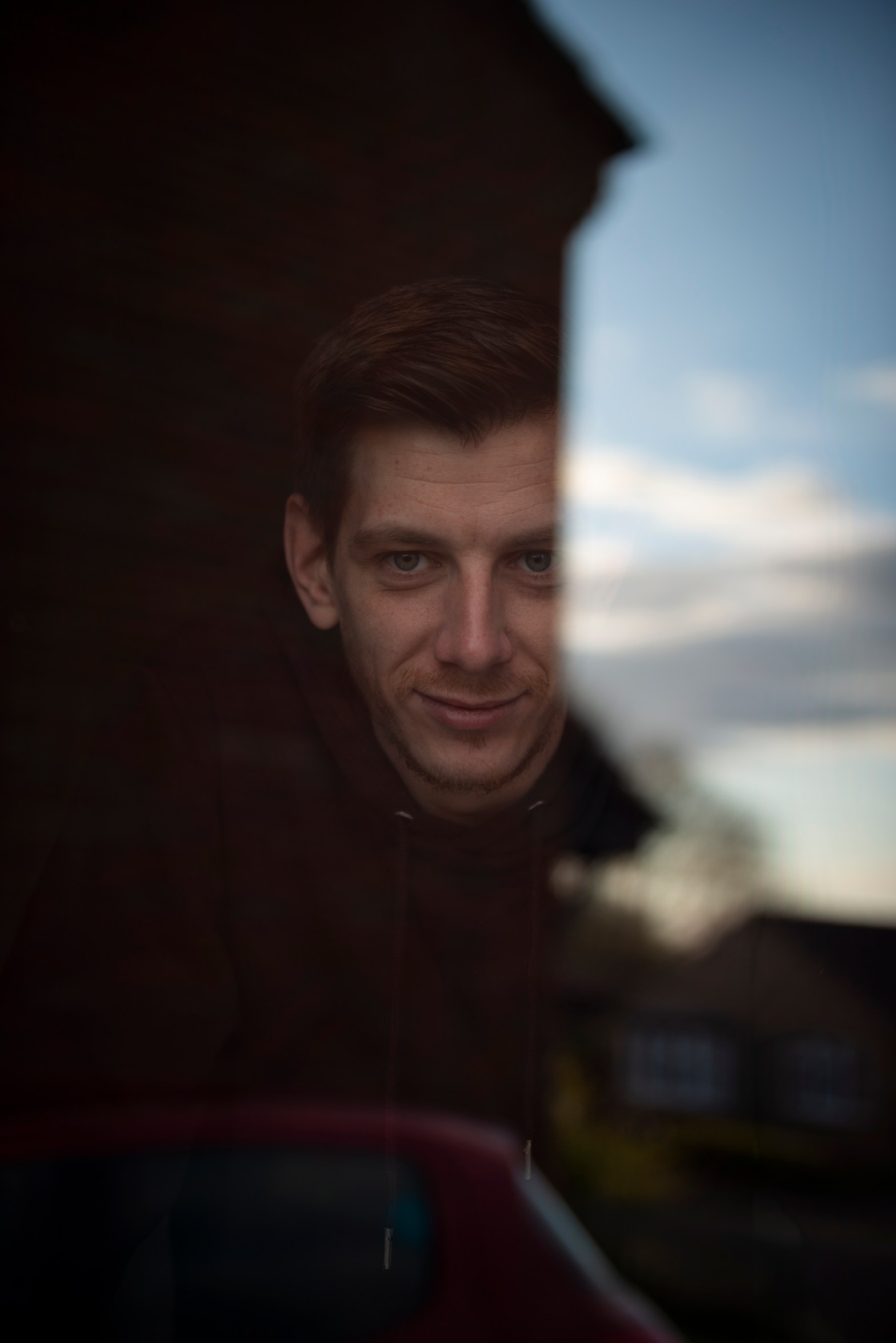
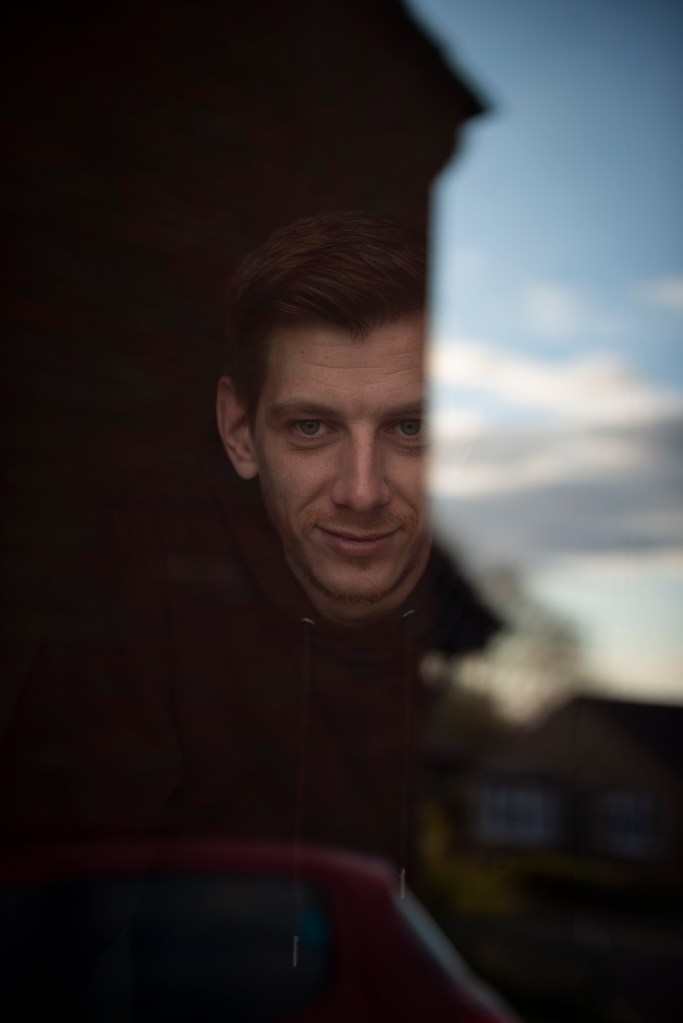
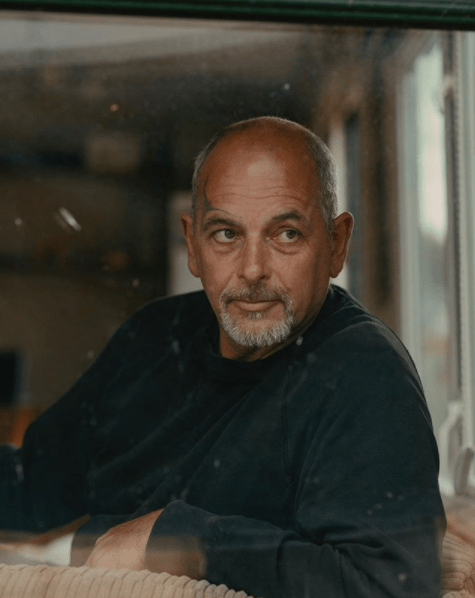
I went to my friends to shoot these portraits, while I was there she said I could also take photos of her dad. Although it was in the same house I used different windows so it wasn’t repeated.
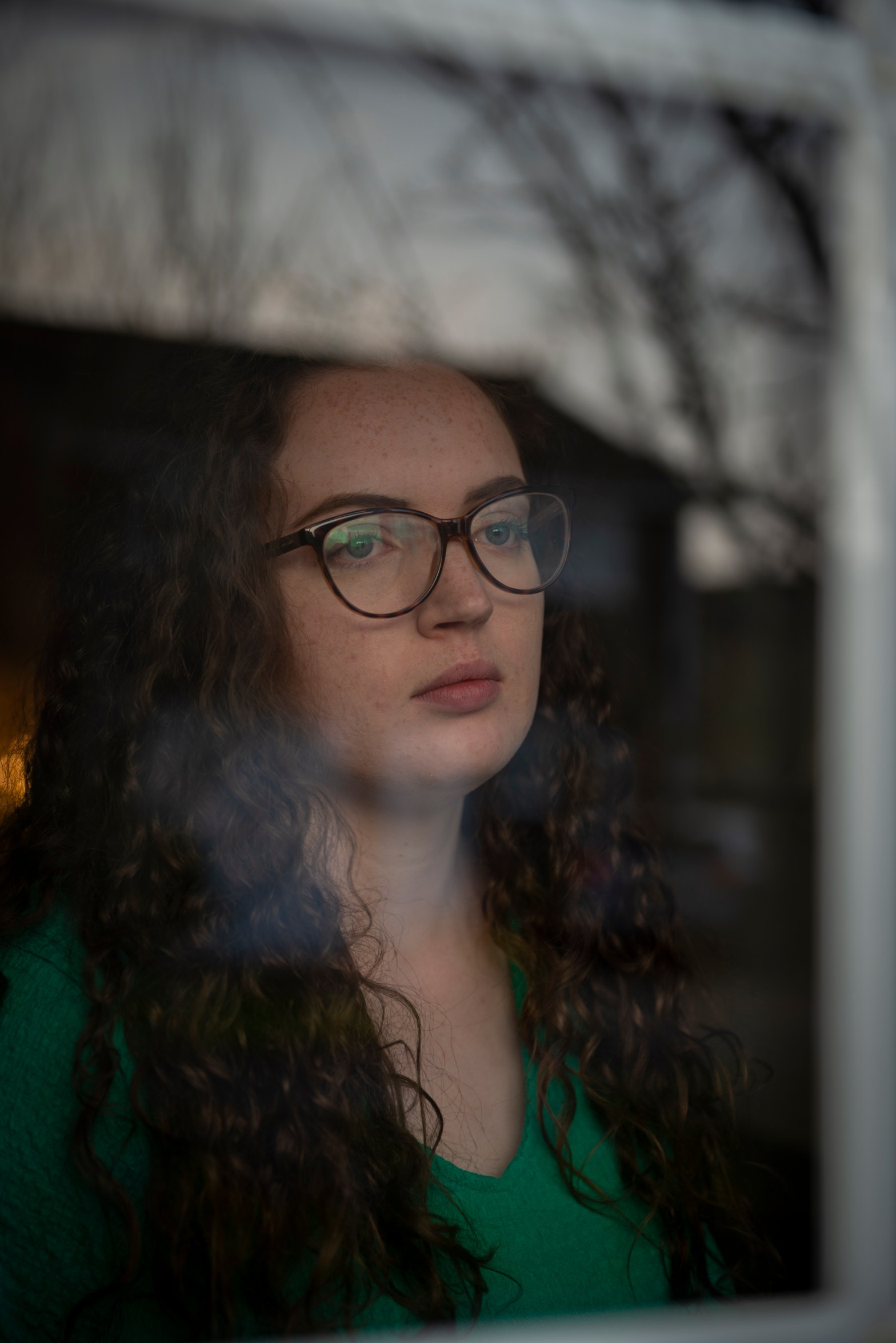
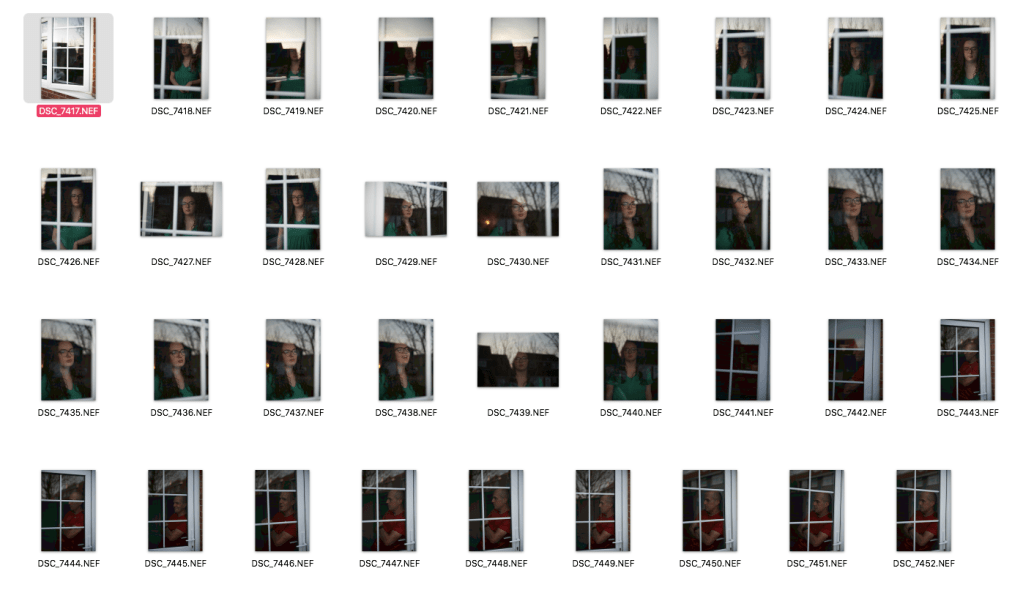
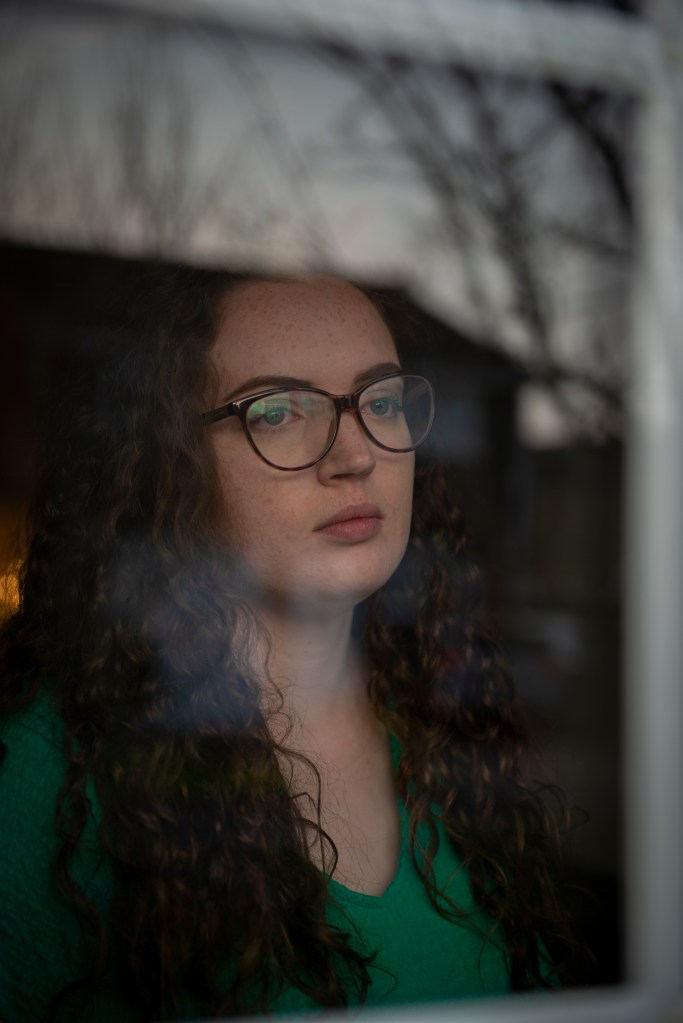
This was the most successful shoot from this project. Now I feel confident in the best way to capture the reflection, it allowed me to focus on improving other parts of the image. In this case it was the person. I asked her to not look at the camera but instead look at something in the distance. Another thing that is more effective is making sure the subject isn’t smiling. From all my subject research, it is clear that this is not a good time for most people. So many people are struggling mentally, physically and financially so it does not seem right to have the person looking really happy in it.
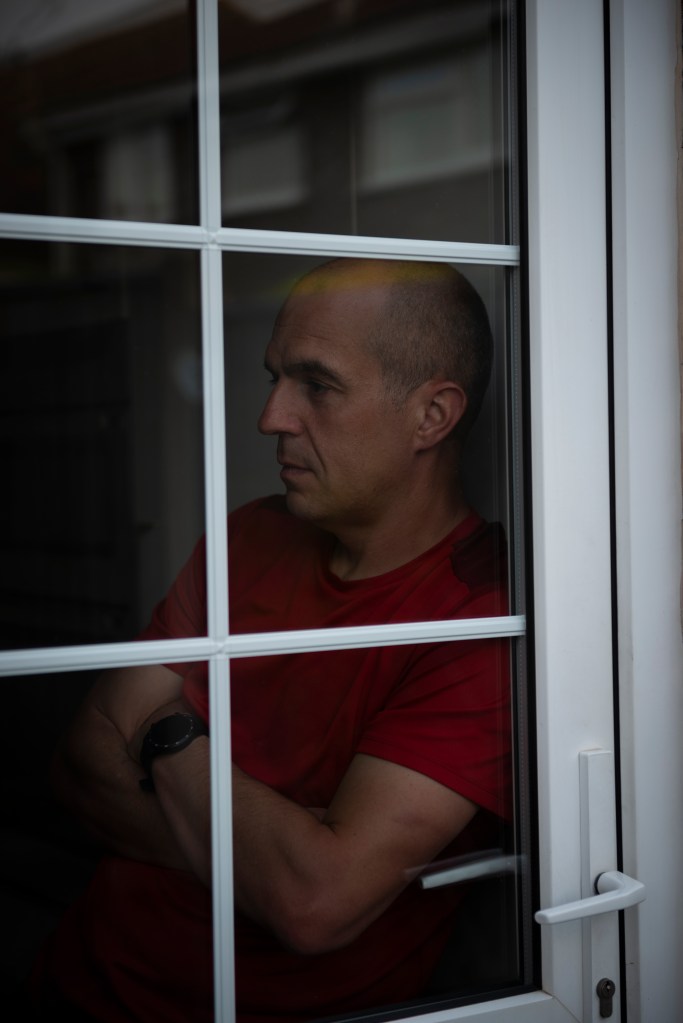
When I photographed her dad I simply asked him to look into the distance and not smile. This was really effective and the simple instructions made it easy to direct the subject, even through a window.
Like in my previous shoot the reflection in the image worked well. The house reflection is dark enough that the subject stands out. But you can also see the sky and tree branches which adds more colour and therefore makes it more interesting. I also like that her glasses have reflection which adds more depth and layer to the photo.
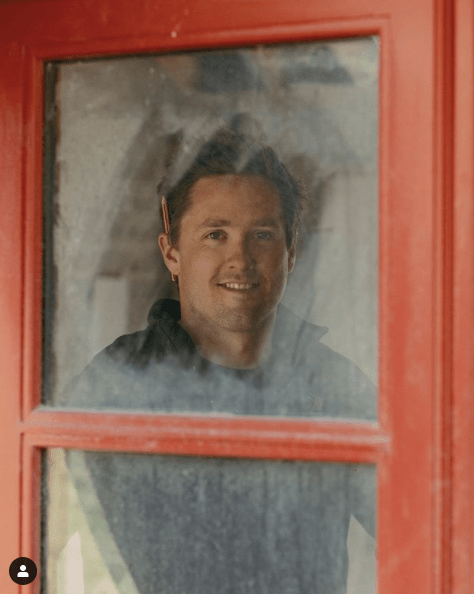
In this photo I was worried that the door frame would be too much. But looking at it now, I like it as it makes it clear. Also as the reflection is quite plain and dark, the door frame adds a bit more white. Without it I think the image would be too dark. Like the last image, asking him to look away from the camera and not smile is so much more effective than some of my previous shoots.
This shoots has been successful and now I know I prefer the subject looking away, I will reshoot some of my other photos. This will mean all the shoots will fit better as a series.
I have previously looked into the relationship between the photographer and the subject but now I have decided to look into the importance of the relationship to the viewer and how aspects of the image can change it. I am using Cindy Sherman’s self portraits as an example.
The most effective way to change how to viewer connects to the subject is by the gaze of the person. In simple terms, if the subject looks directly into the camera, you feel like you are looking at them and they are looking back. There is a connection, almost as if they are there in person. If the subject looks away from the camera, you feel almost like you are invading in a scene and there is less understanding about the subject.
Cindy Sherman cleverly uses her eyes to make the viewer not just intrigued about what is in the frame, but also what is not in sight. In this image (Untitled Film Still 3), she looks off to the side of the frame as if she is looking at someone else. ‘There is two lines of sight here. We the spectators, see the subject – Cindy Sherman… She looks at her husband from another axis. There is no acknowledged contact between subject and us, the viewers. Our sight lines do not coincide. We are put in the position of eavesdropper.’ This quote from ‘Train your Gaze’ book, sums up how are experience as viewer is affected just by the direction the subject is looking. It makes the viewer ask so many more questions about the image, it becomes a ‘spectacle, about looking’. We begin to wonder more things, like is she posing for the camera or for the person who is out of frame. The person sees things that we can’t and we begin to imagine them . So through the simple direction of her eyes, it has opened up so much more in the photo.
This is useful to understand for my own work. I haven’t thought much about where the subject is looking apart from seeing what is visually better. This research has let me understand that it is much deeper than that. The subject looking off to the side creates a feeling of disconnect with the viewer, which is exactly what I am aiming for in these window portraits. In my project where I documented people in their 20’s, they looked at the camera and this worked better for that project as I wanted the viewer to feel more engaged with the subject. The gaze of the subject can have such a massive impact on the how the viewer interprets the photo. From now on, I will make sure the subject always looks off into the distance.
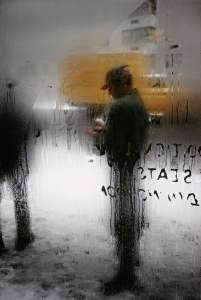
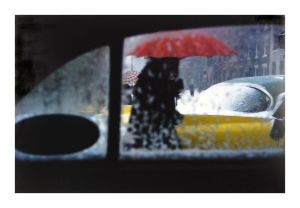
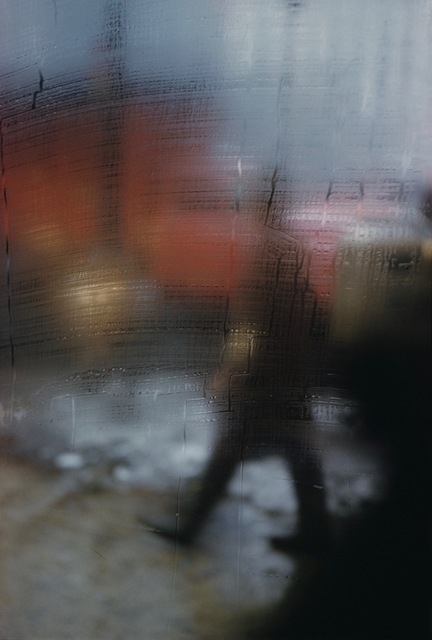
Saul Leiter is known for his street photography. He was one of the early pioneers of colour photography. A lot of his work is a documentation of his neighbourhood.
My favourite of his work is where he shot through windows, normally wet or misted. It creates some quite abstract work. In some he has made a clear part of the window that frames the person on the other side. The rest of the image is not clear because of the mist on the window. Although he hasn’t focused on the reflection of the window, the window still stands between the subject and photographer. It shares the same idea of being isolated from the subject. In previous theoretical research I looked into how important the relationship between subject and photographer is. In this work that relationship seems non existent. This creates this feeling of unknown, we have no idea who it is or why he has taken his picture. It also feels quite invasive, this person was probably going about their daily life, unaware of being in a photo.
There is some of Leiter’s work where the subject is completely unrecognisable. The mist on the window means all you can recognise is shapes and colour. It works well though, the person doesn’t need an identity. Instead the viewers focus is directed to different parts of the image.
Although visually, Leiter’s practice has a different approach, the use of window adds the similar feel to it. That boundary between photographer and subject changes the way the viewer sees the image. The subject becomes anonymous and the context of the image is less clear. This will be different in my project as I do know the subject, but I want the window to be able to represent these emotions of isolation.
These are two more window shoots. I took them while out and to not put any one at risk I took them quickly. This meant there was disconnection between me and them but this represents how our lives will people we know has change. I thought about Alex Ingram’s work and how he portrayed each persons story. Without text this proved difficult.
This was the first shoot, again this was shot in the evening. I really like the effect of the shadow. There was a house too the side which created enough dark reflection for the subject to be seen. The sky in the rest of the image adds more colour and tone. In some of the photos, some of his face fades into the reflection of the sky which I think makes it more intriguing. I had to open the window at a bit of an angle so that the sun wasn’t shining right onto the glass. This meant that the window was at an angle to the subject as he still faced forward. Because of this it was best to not have the window frame in the shot as it wasn’t straight.
I was delivering groceries to my grandparents and thought this would be a good opportunity to take some portraits. For their own safety I made sure I was quick and stayed as far away as I could stand. In front of the window was a fence then a row of houses. Because there was so much in the reflection it was too distracting and made the subject not stand out enough. Unfortunately, this is something that I need to get used to. I can not avoid it so have to accept that some shoots will not be successful.
I don’t plan to do my shoots quick but I’ve realised for everyones safety that the quicker I am the better. Also although the person I am shooting has agreed to do the portrait, I am aware that they might worry about me being near there home. I still take the time to make sure I am getting good portraits but I am taking a lot less photos than I normally do in a shoot. It gives me less photos to choose from but at the same time it makes me wonder whether normally I take more than I really need to. Thinking back to my research and the representation of place, I have managed to show this in the photo above. He’s behind the window and this does make him look safe. The reflection gives the viewer some indication as to what he is looking out at, which adds to the sense of place.
Alex Ingram, a photographer I follow on Instagram has been doing portraits similar to mine.
His series ‘Inside Out’ documents a story on social distancing in the UK’s smallest city, St David’s. He has been shooting the people that live there, 2 metres away from there windows. In the captions of his Instagram photos he says who the portrait is of and about where they live. For example this one is of the Mayor of St David’s in his caravan. I like that he adds who they are as it makes it a bit more personal. It is also more interesting as well as you get to see a glimpse into someones life in quarantine.
Like other similar projects I have been looking at, Ingram’s portraits showing different people shows that this is something we are all going through together. The captions will make the viewer feel more empathetic.
I like all images in this series and he is continuing this project until lockdown is over so it is exciting waiting to see the next one. As he has always stood 3 metres away the subject is always about the same size. What changes the most in them is the window frame, in some you can hardly see the window and in others it frames the persons face. One thing that is different in mine which is that you cant see much reflection on the window. He has probably done this on purpose. In mine the reflection reflects the isolation of the outside world.
From this work it has got me thinking more about how I can represent each person in my images story. The captions in Ingram’s work adds more depth to the narrative which is effective. I need to think more about how I can show this.
I have looked into this topic a lot in the past. As my main practice is documentary, is it important to understand how reality affects the image and the ethics behind it. It is an in depth topic. But as I am photographing in what will be a historical event, I want the viewer to believe the photos.
This quote is from Roswell Angier, ‘At least until recently, we have accepted most news photographs as more or less accurate portraits of real facts and real behaviour.’ People did believe photographs to be real. Even now people are easily drawn into fake news articles and the images displayed within them. There are ethical codes in place to guide photojournalists. This is could be consider good as it allows the viewer to understand that a documentary image has to have some extent of truth to it but the rules are not always followed. Work such as Robert Capa’s where he moved the body of a dead soldier in order to create a better photo, shows how photographers can easily change parts of their work which means that they are not accurately showing reality. There is so many other examples of documentary photographers manipulating their work, such as Steve McCurry and his digitally manipulated photographs. As photojournalists they have a responsibility to be truthful in their work as they can easily influence societies opinions on a subject.
Max Pinkers refers to this time as the ‘post truth era’. People are understanding that images are not always 100% truthful. I believe this a good thing, if the viewer understands that they are not accurate then they won’t believe everything they see. Photos are opinions, they pose questions rather than prove something. I have before looked into how even subconsciously we portray are own opinions in are work, therefore an image will never be just a truthful documentation of a subject. Photographers have developed on this idea and people such as Hannah Starkey use staged documentary to portray their message to the viewer. In some cases staging the photo could be more beneficial, you have more control over aspects of the image and so maybe it could be better at accurately showing a message?
As Fred Ritchin said in a talk, the world is too complex to be able to represent it in photography. We don’t often know the sociological, political or historical context behind the image. We can only begin to represent a topic or theme in our work as often it is much more complicated. Because of this it is up to the viewer to interpret how they see photography. What I think is most important is that they understand that it cannot ever be entirely accurate.
In conclusion, documentary photography is making a change in this ‘post truth’ era and some photographers are adapting their practice. After reading many articles and books, one main fact that it is the viewer who will decide the authenticity of an image. In my work, the theme of truth is important. I am documenting a big and important part of everyones lives. Apart from editing colour and light in my work to get correct exposure, my images are accurate. But from this research there is not much I can do to prove this to the viewer, it is left to them to interpret it.
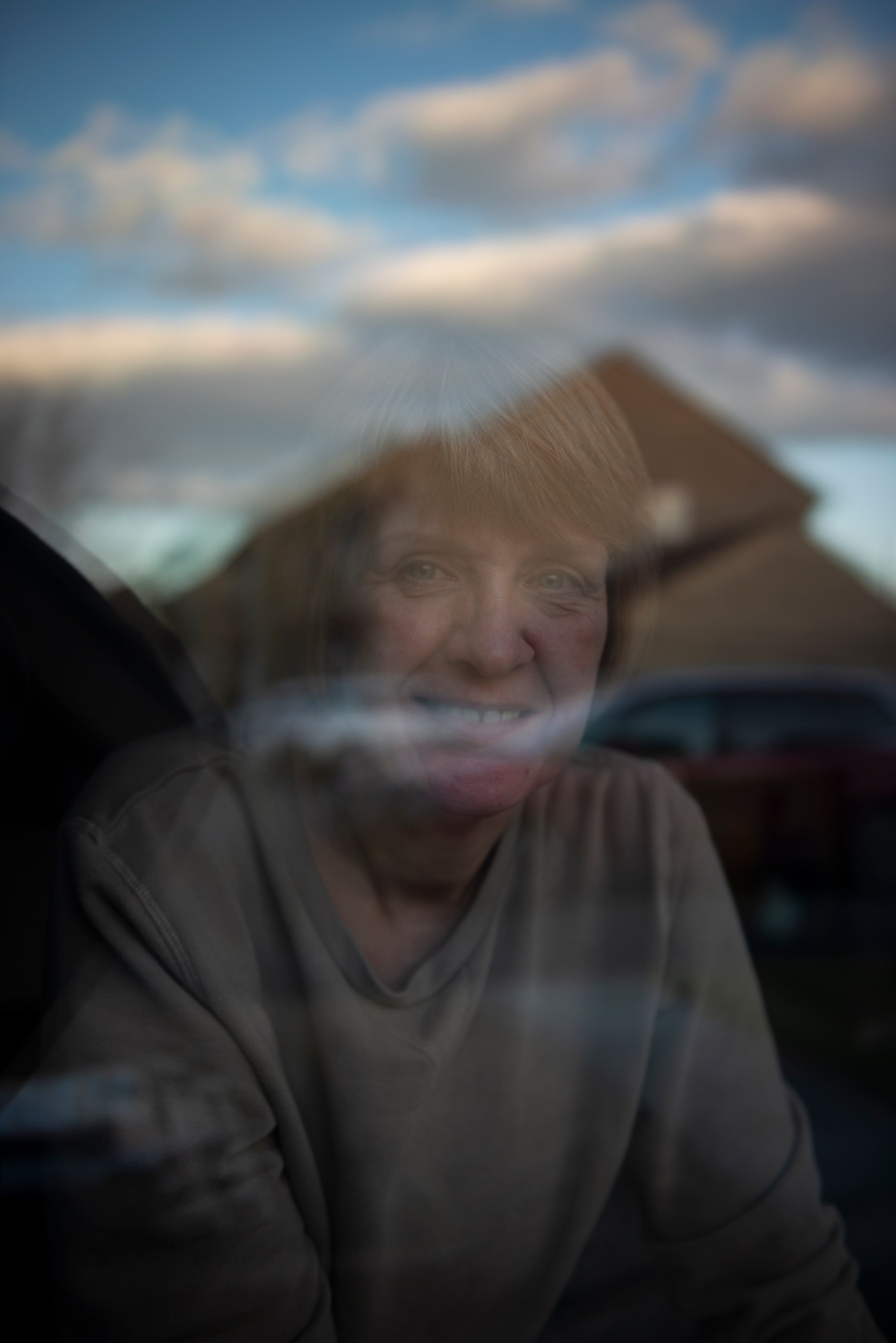
This shoot was of my mum, who I am currently living with. This meant there was no time pressure and was easier to direct. Unfortunately the sun was too bright on the window and almost hides the subject.
I tried shooting from different angles and changing the position of the models. It was evening like my last shoot but I think the way the house faced meant it was too bright. I still think evening is the best time to shoot as the light is effective and gives a nice feel to the image. As this is someone I live with I can easily reshoot this to try and improve it. This could be if it is a slightly cloudier day and will therefore be darker.
So overall this shoot was not successful. The image is aesthetic but the reflection is too distracting. In the next shoots I will make sure that the subject is the main focus.




 Lucy Davis