RESHOOT 2

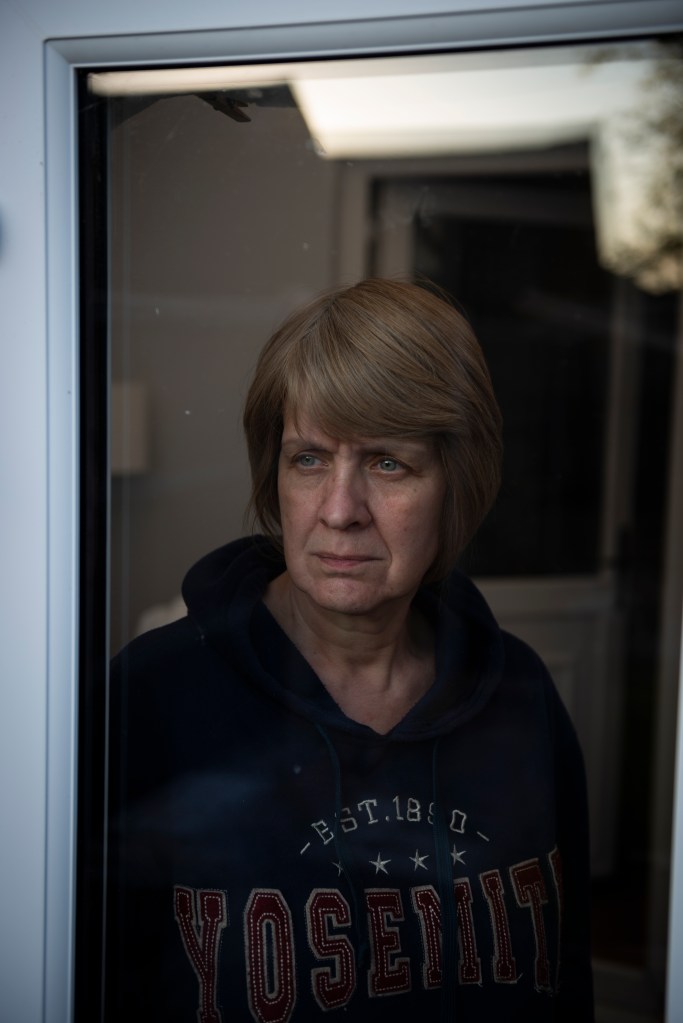
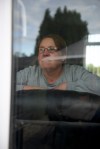
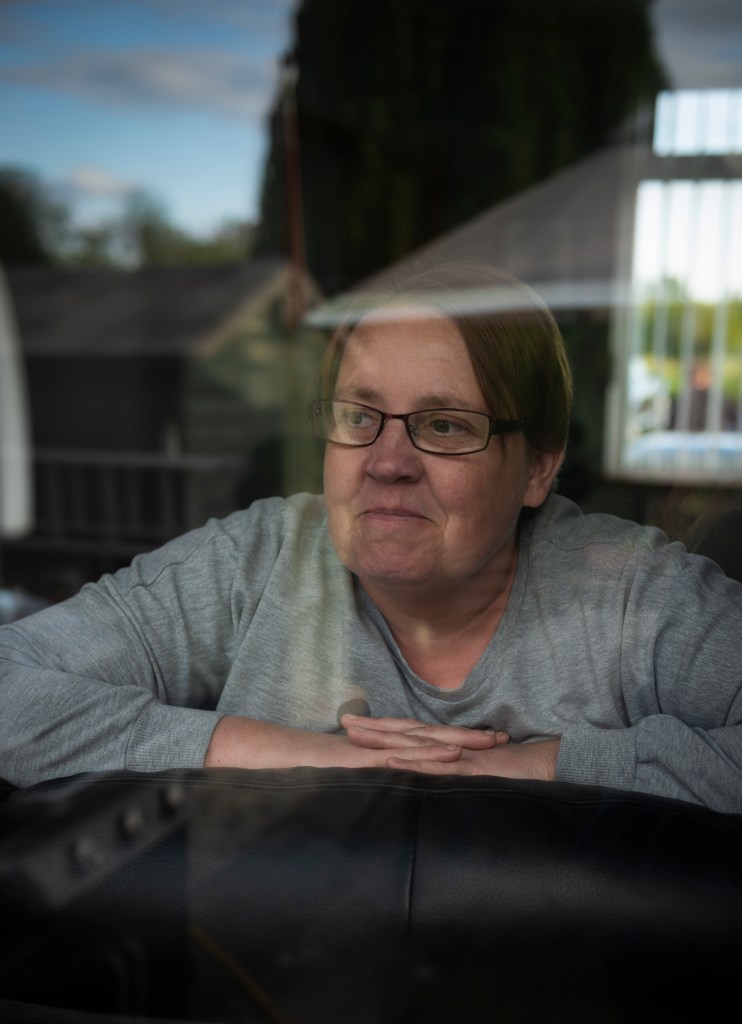
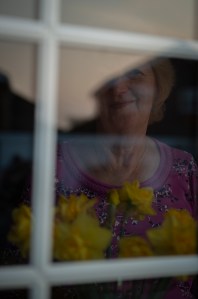
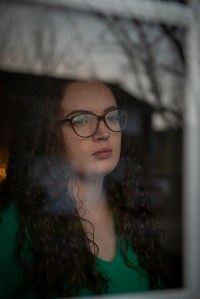
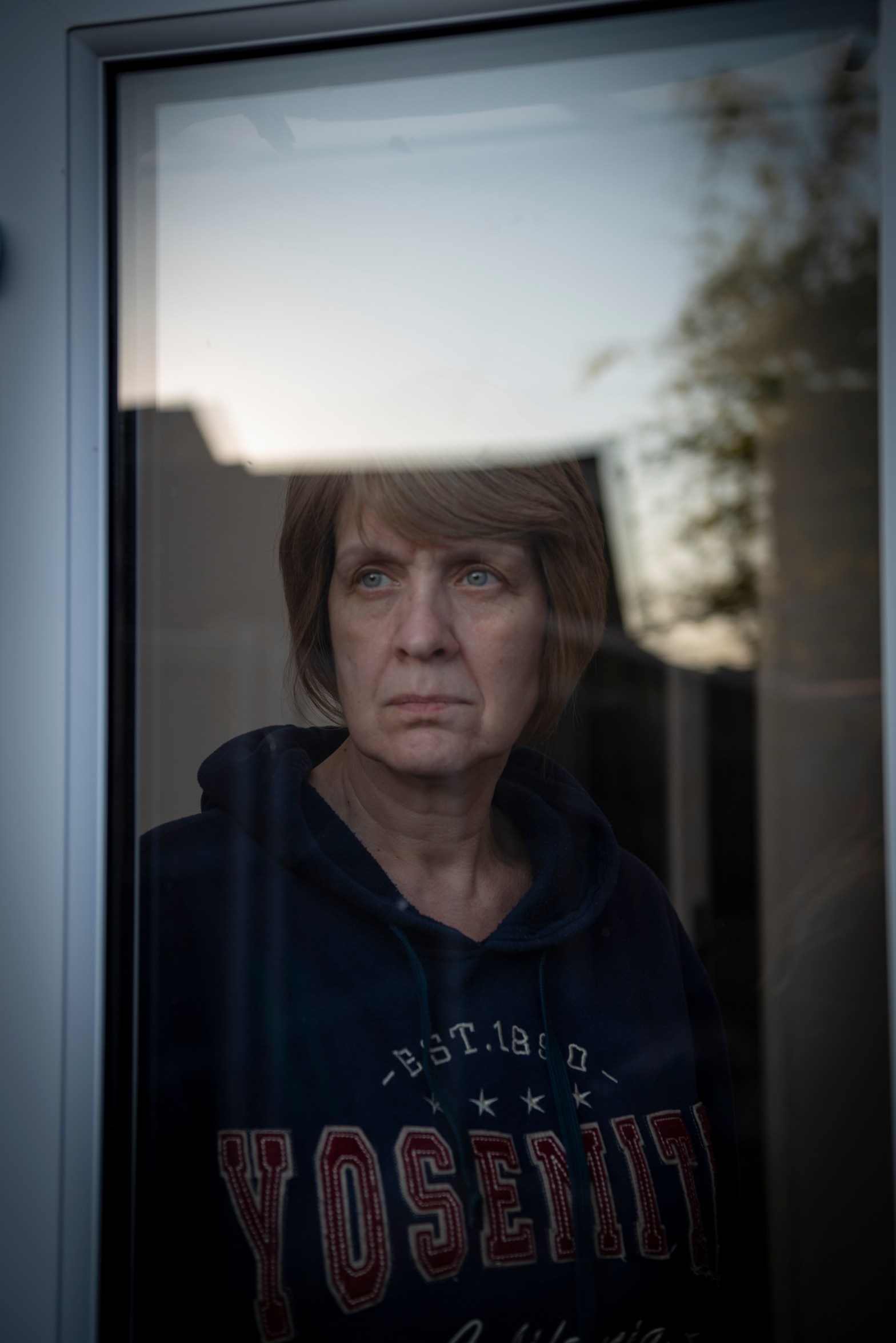
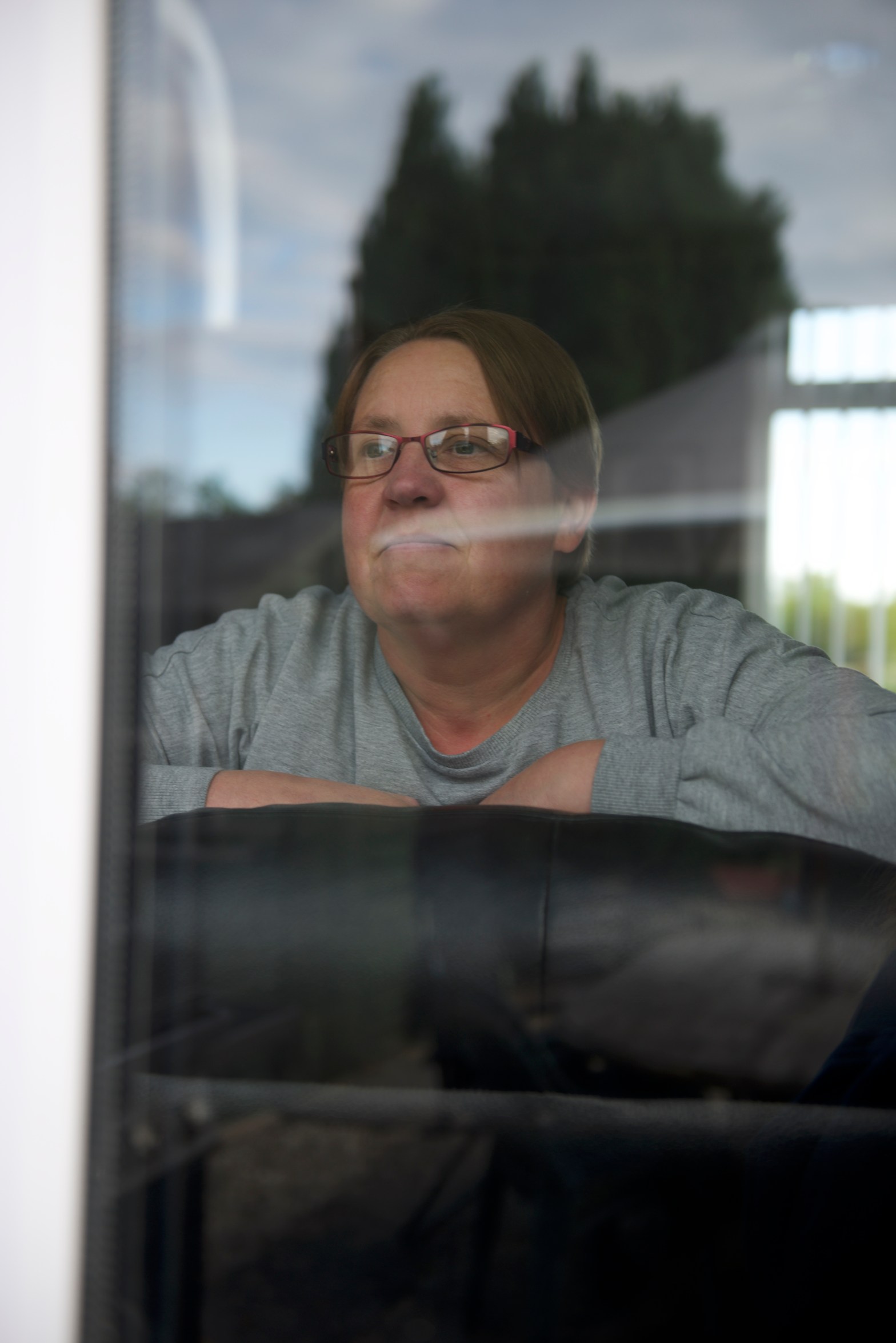
In my first shoot of my mum the reflection was too bright and therefore was too distracting from the main subject. Also since then I decided to make sure people did not smile in the photo. As it is someone I live with, I have been able to reshoot to improve this.
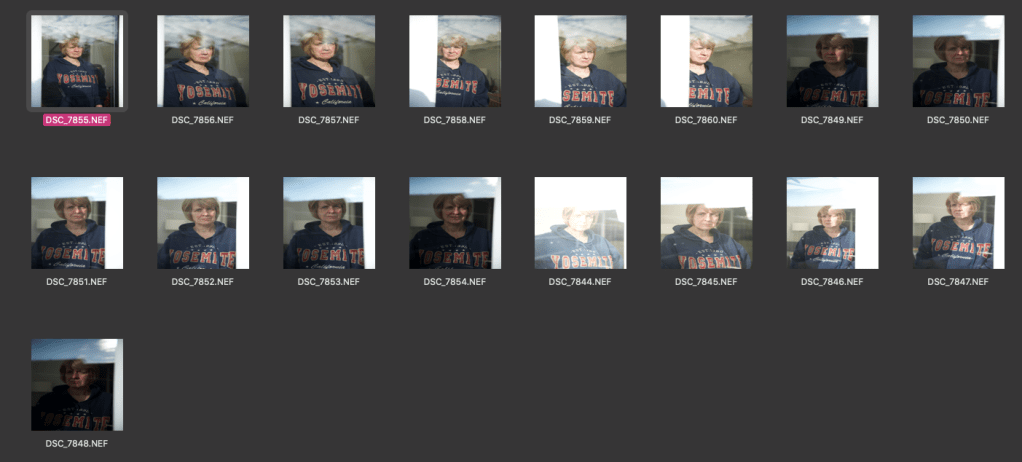
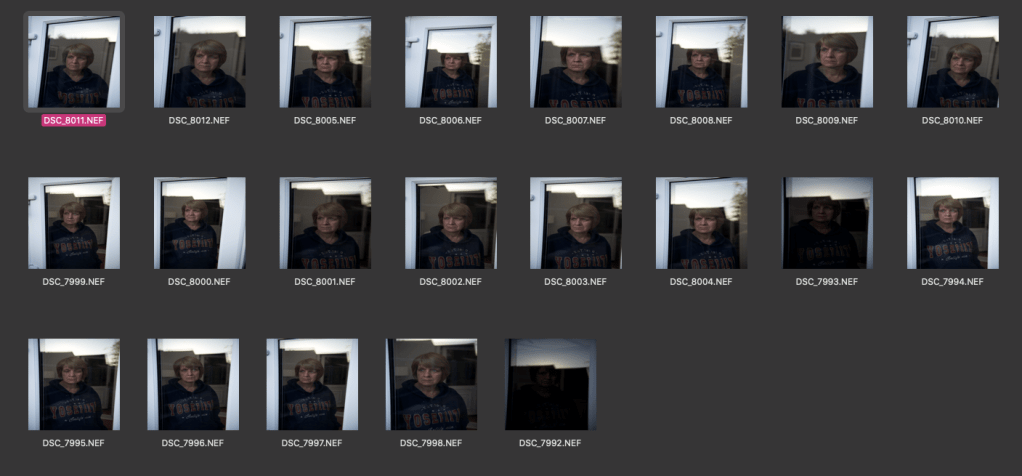
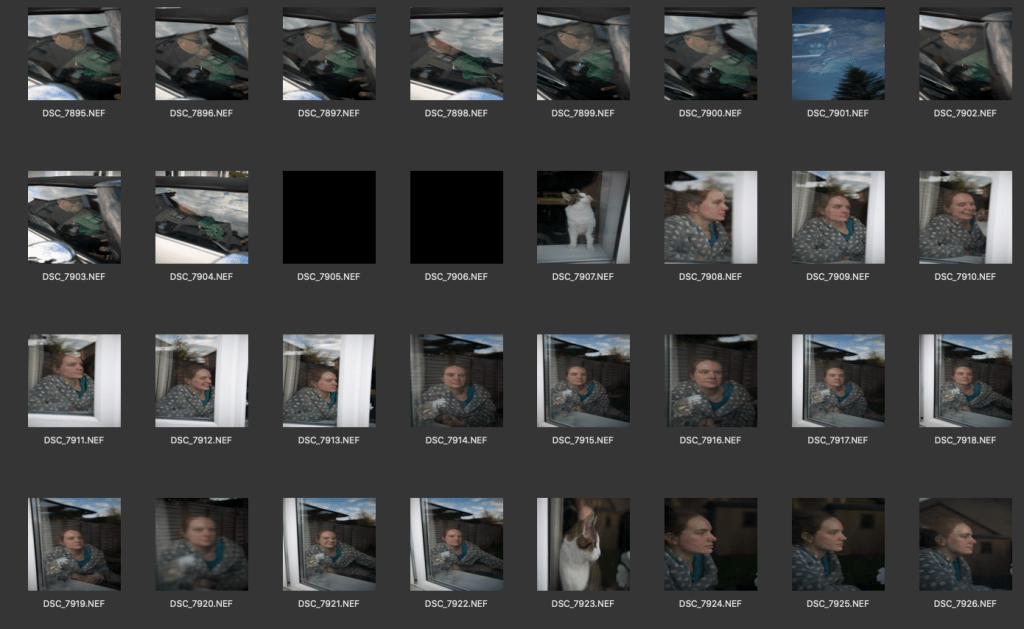
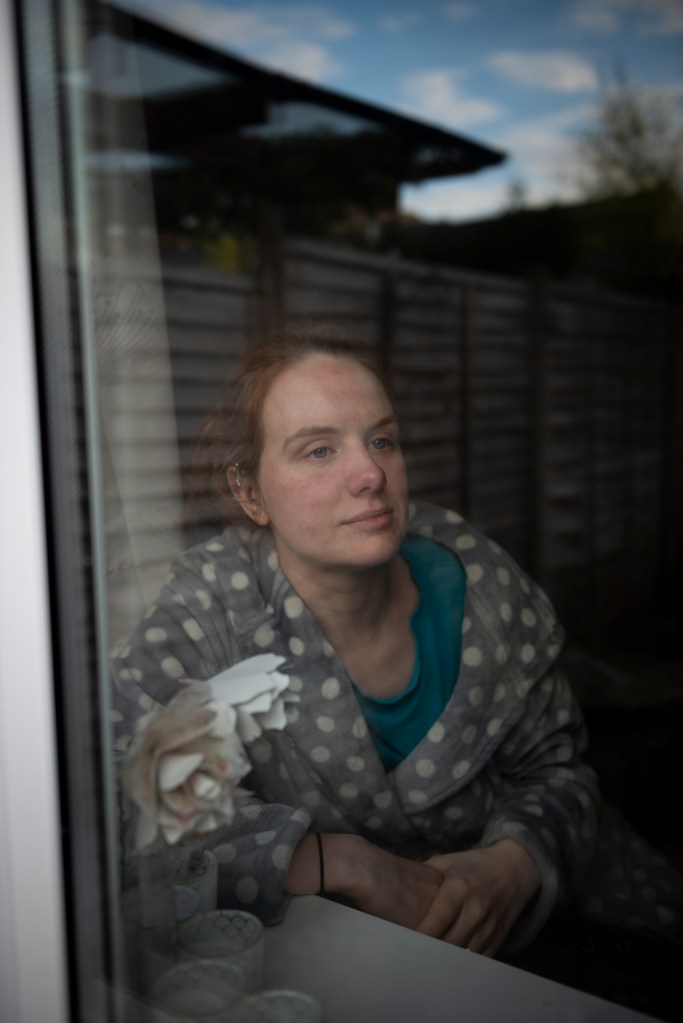
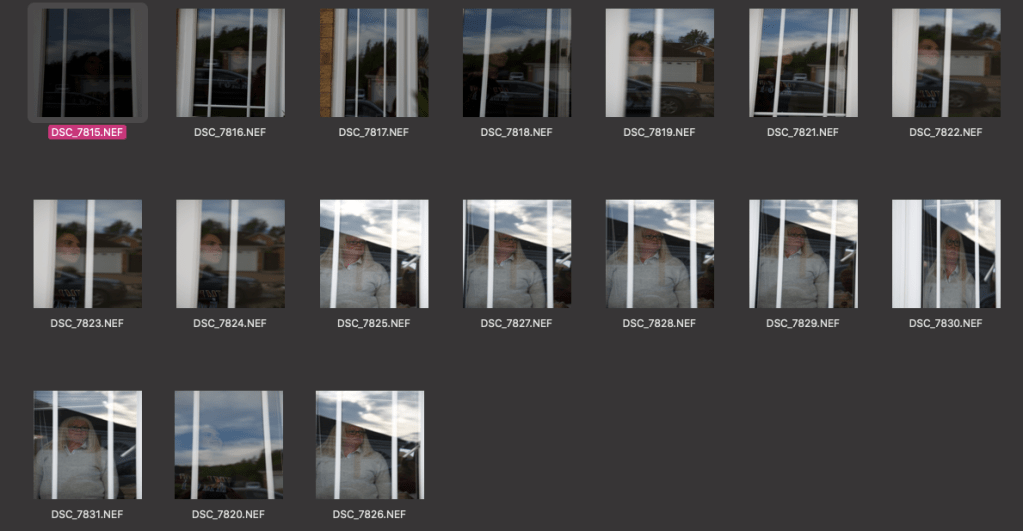
To begin with I shot a bit too early and the sun shined right on the window, making it too bright. The person squinted as it was just too bright. I took a few but decided to go back a bit later when the sun had gone down a bit more. I maybe left it too late as these images feel a lot darker than my other images, there is less warm tones. I am going to compare them to see which is the most effective.
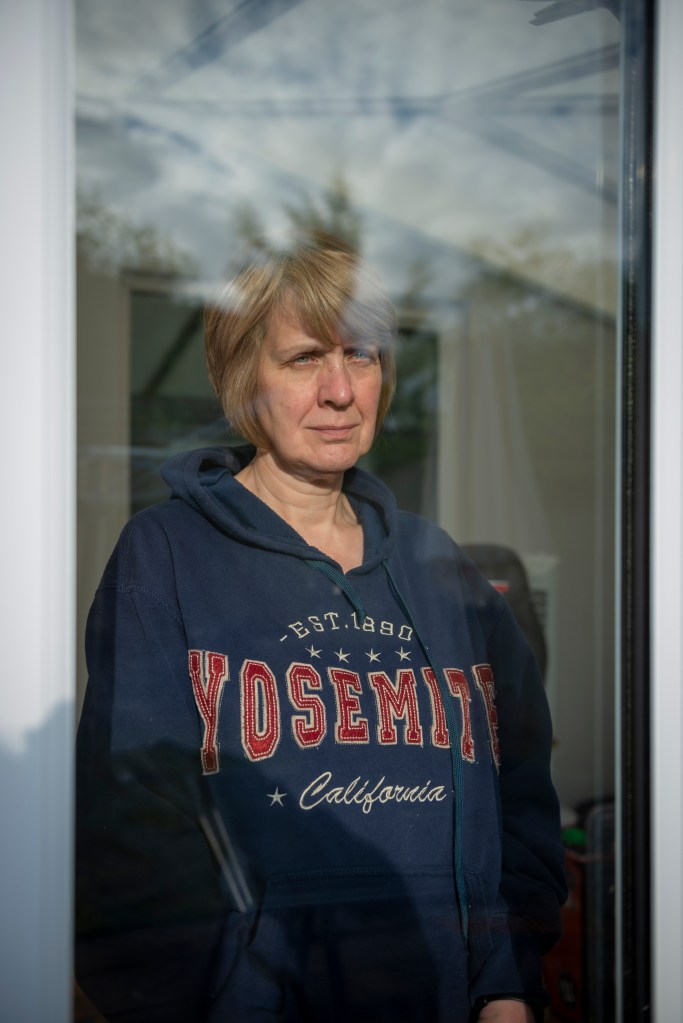
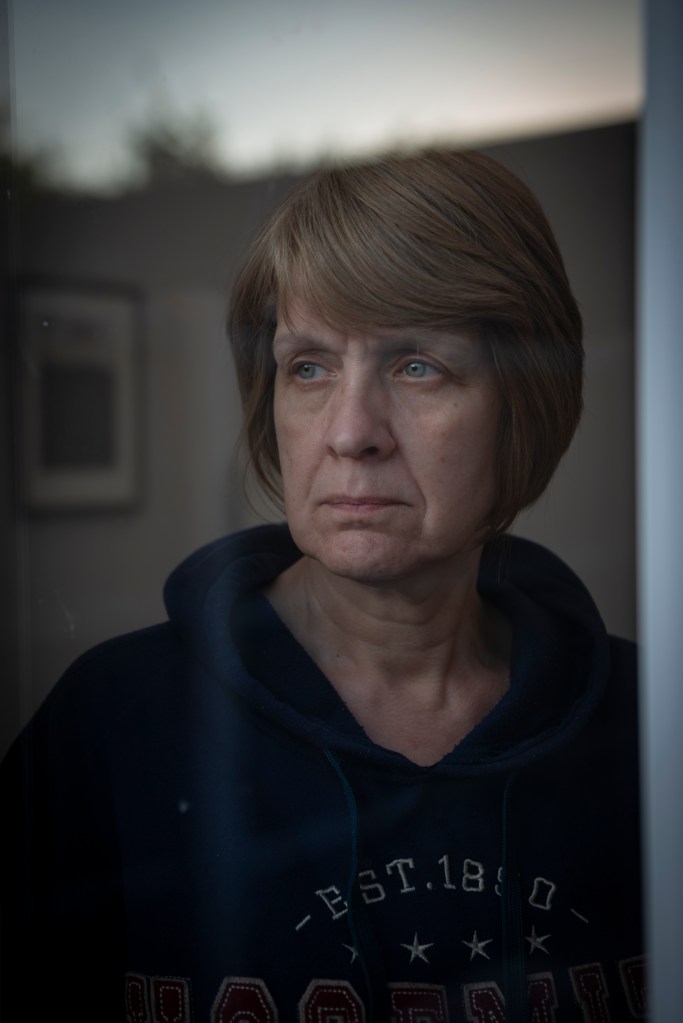
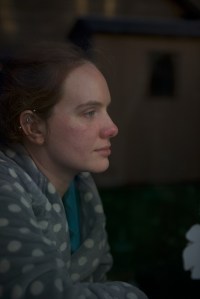
The left image was taken a few hours before the second and third ones. I like the reflection in the first one as you can see the cloud more clearly, which creates more tones and texture. I also like that it is broken up with lines of the washing lines. Also the light on her face is effective at highlighting her features. But I think it is just too bright, I do not like that she is squinting. Also in other images, the subject begins to blend in with the reflection whereas in this one she really stands out.

It is interesting how just a few hours can really change the colour and light. The warm tones have disappeared leaving a cooler image. This could be corrected in post production. Although I do prefer the reflection in the first one, the reflection in the second two would fit better with the others in the series. It is more similar by showing a building with a bit of sky.
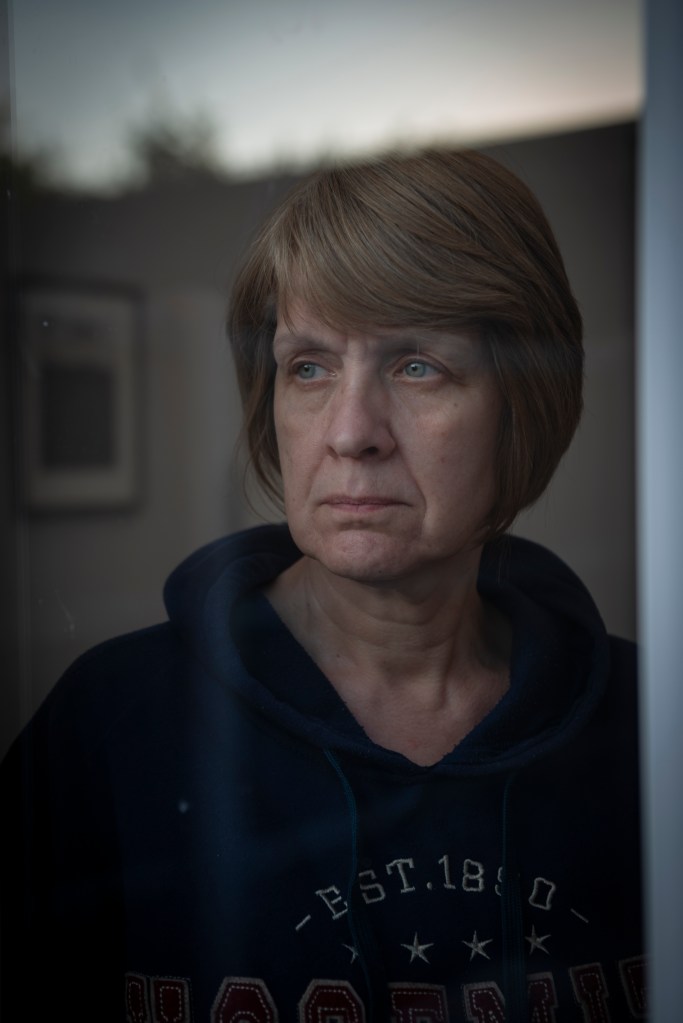
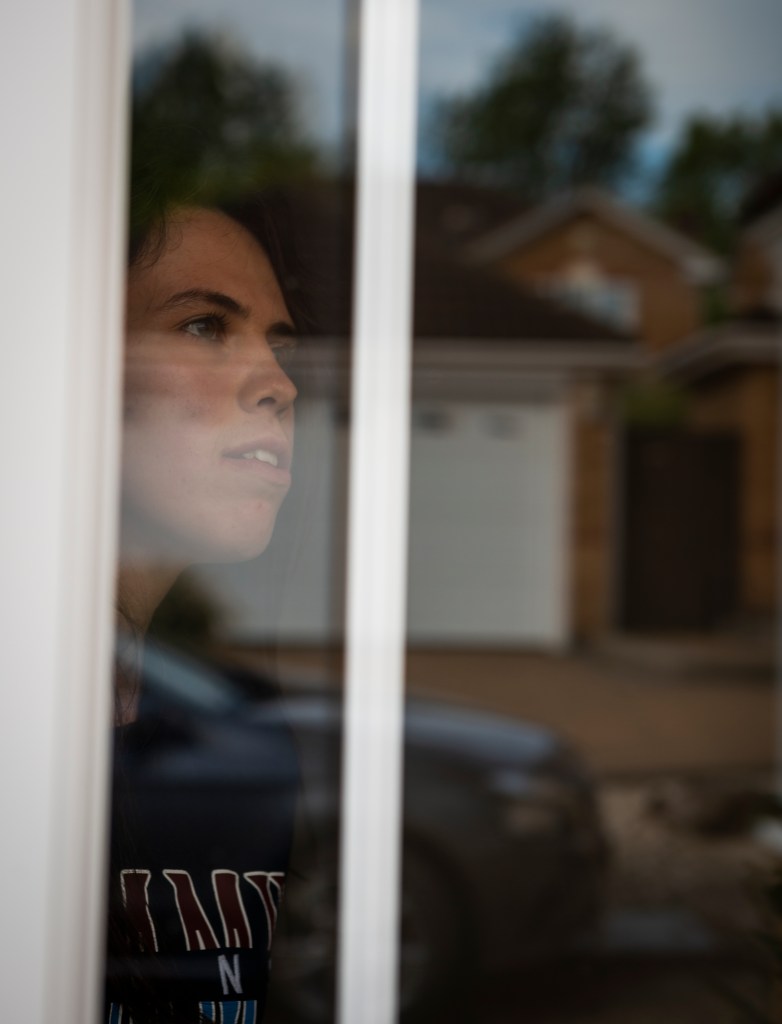
With a bit of editing to add more warm tones, this is the most successful from this reshoot. The expression looks more natural than in the other two. Getting closer to the subject also makes her expression the focus of the image but I have still managed to include a bit of the window frame.
SHOOT 12 (P2)

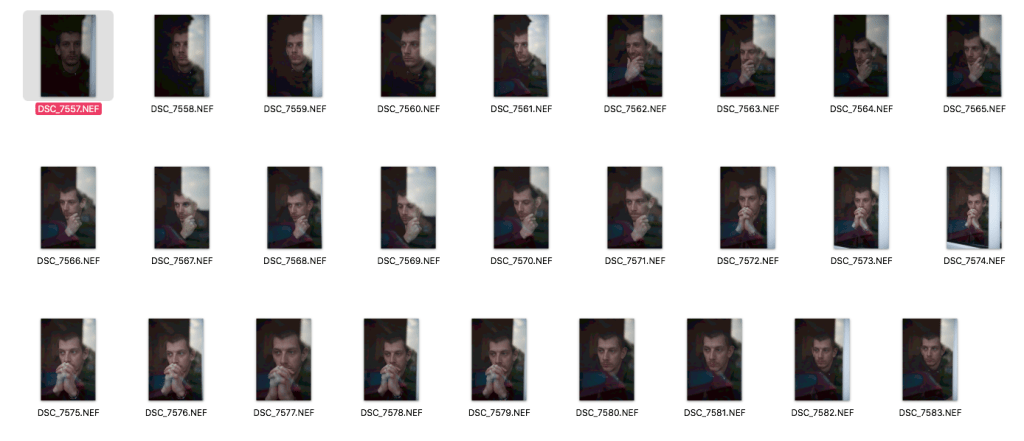
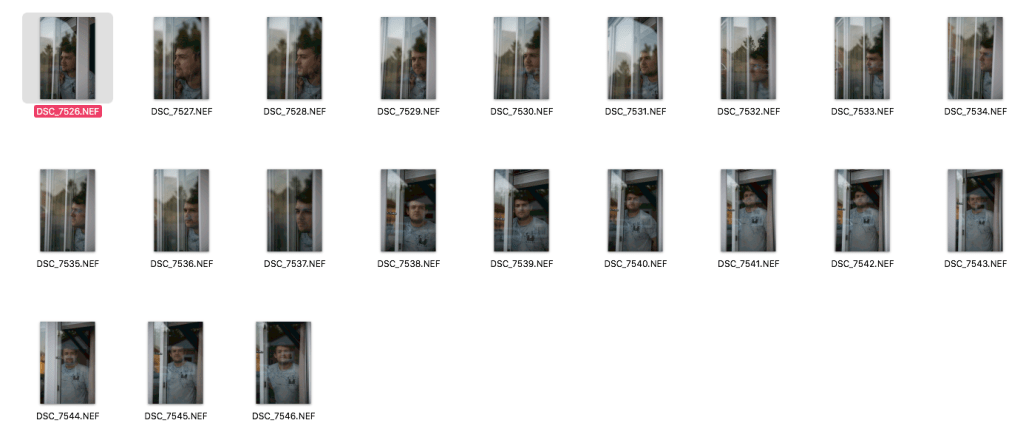
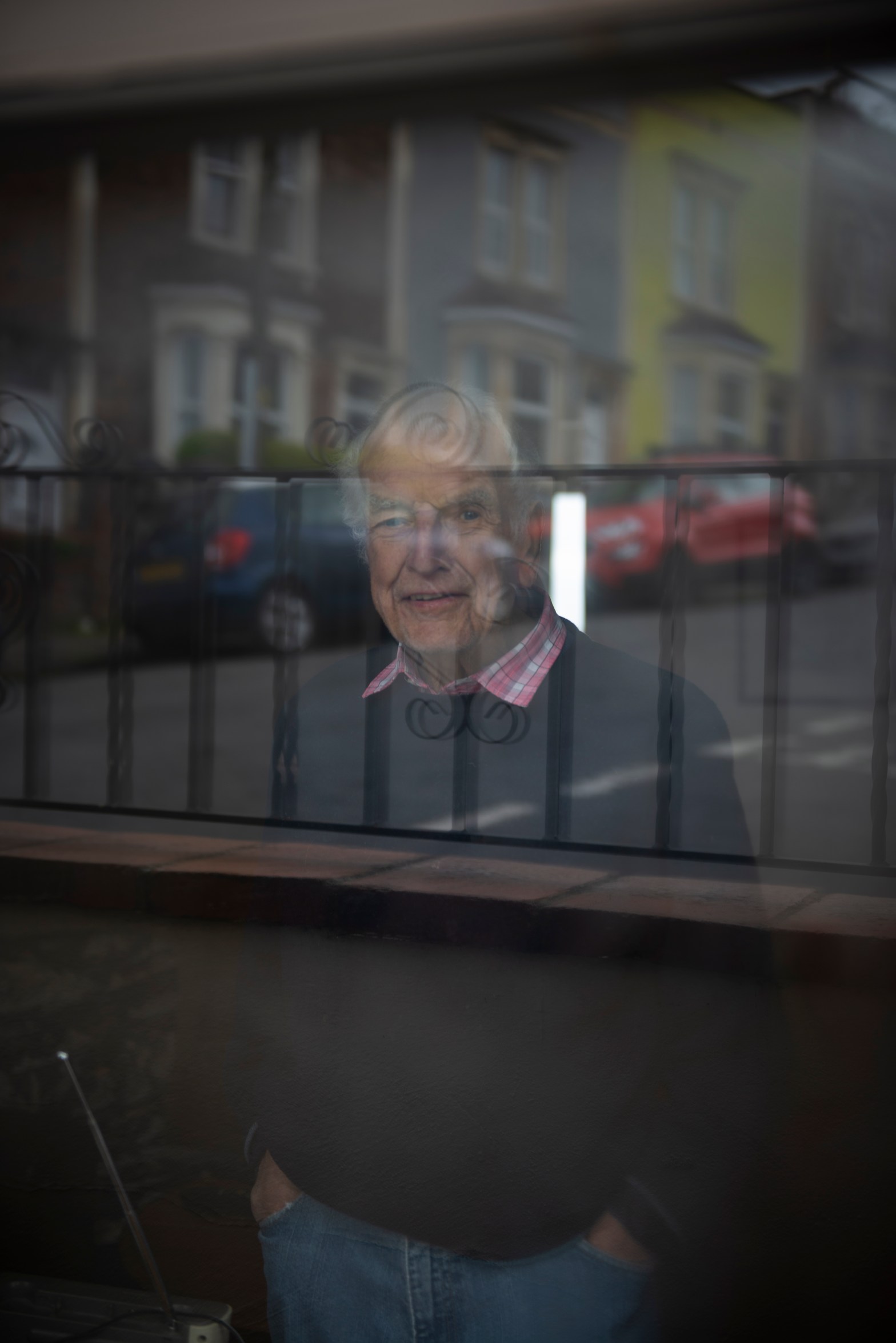
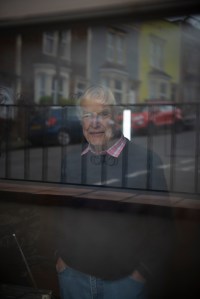
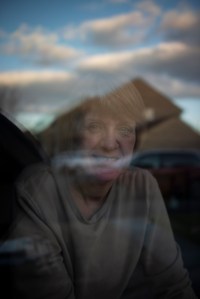
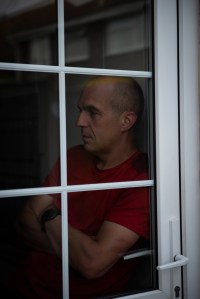
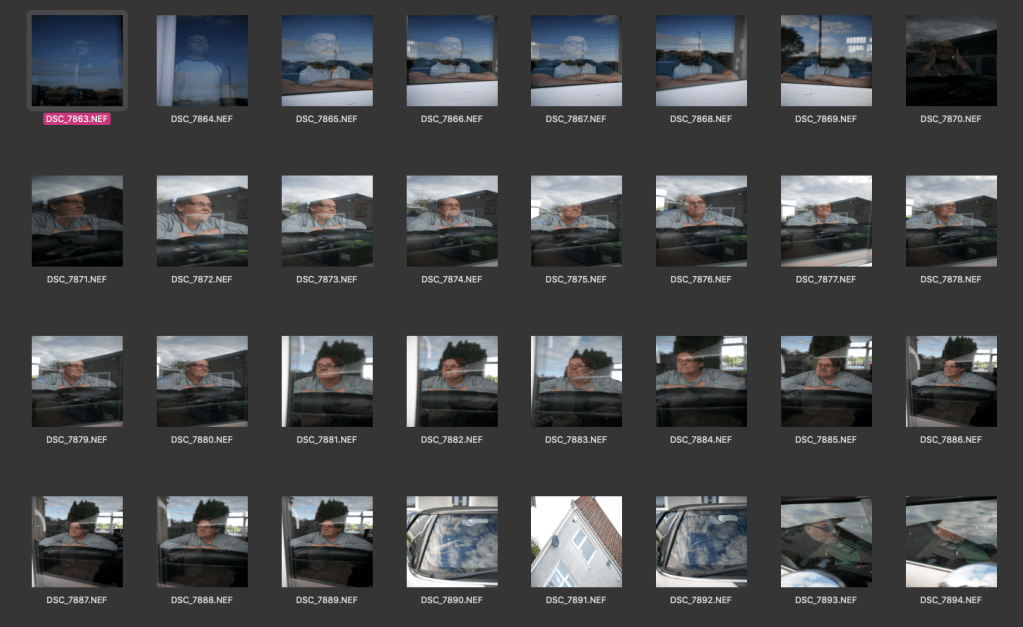
For this shoot I managed to photograph 4 people. First there was 3 people in one house, then I drove to my sisters to take her photo. I thought more about my voyeuristic approach, the window giving me a private view into the subjects safe spaces.

Like before, I knew straight away with the first person I shot that it wasn’t successful. Opposite the house was a field so there was little reflection. Also because of furniture, he could not get that close to the window. I was limited on different windows to use and as the person was busy I decided to move onto the next.

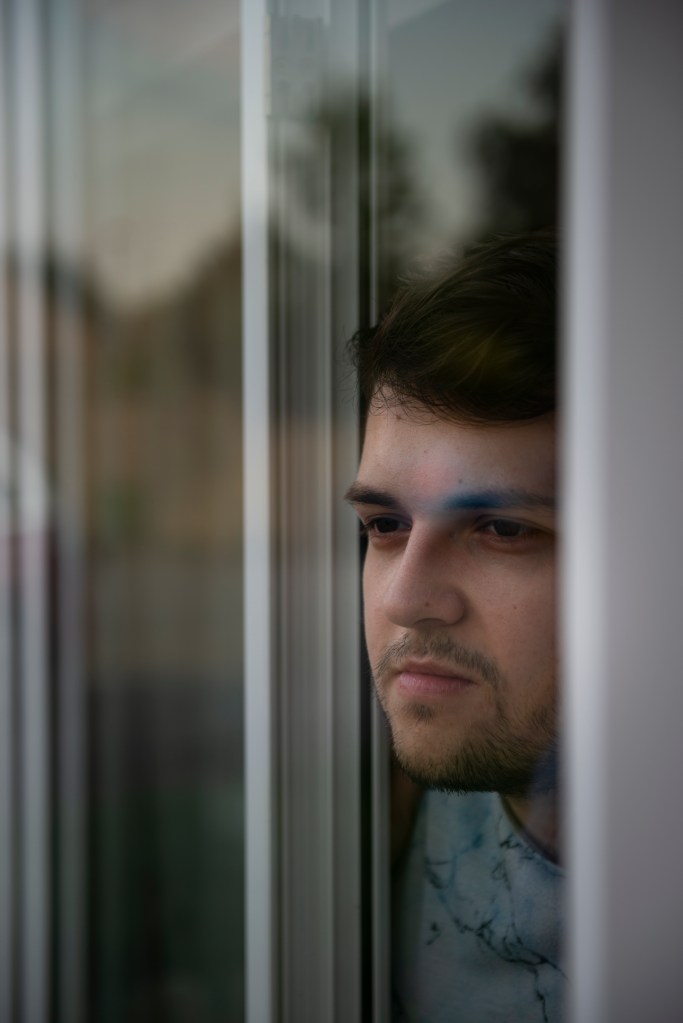
On the other side of the house I had the complete opposite problem as there was a lot in the reflection. Also the house was quite high up so I was taking the images from quite a low angle. After a lot of experiment with different angles, I did manage to get some photos were the subjects face wasn’t completely obstructed by objects in the reflection.

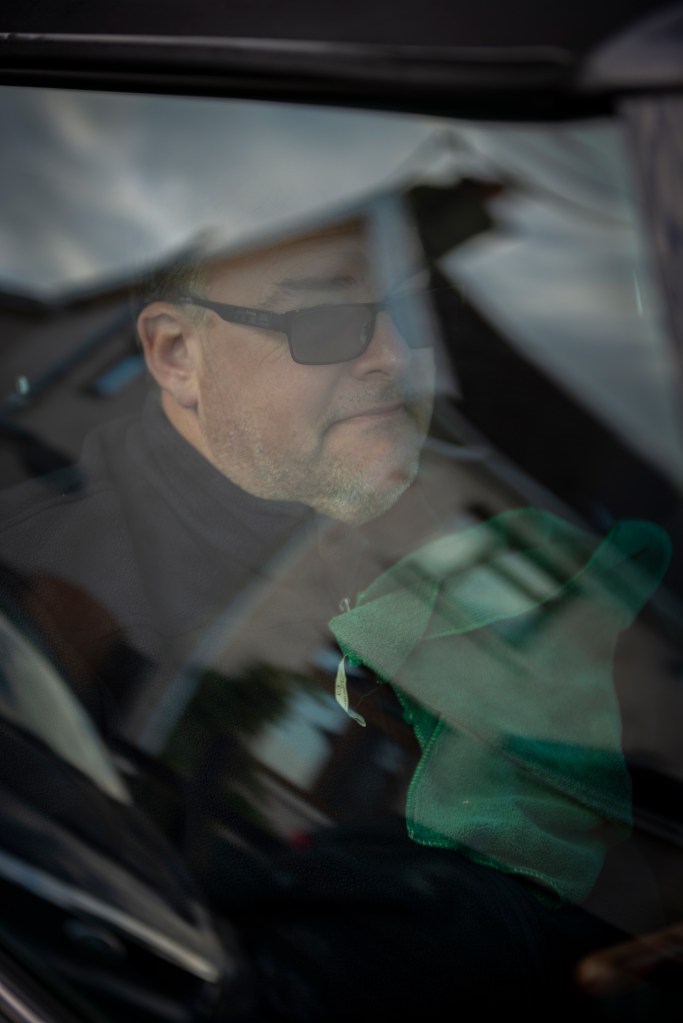
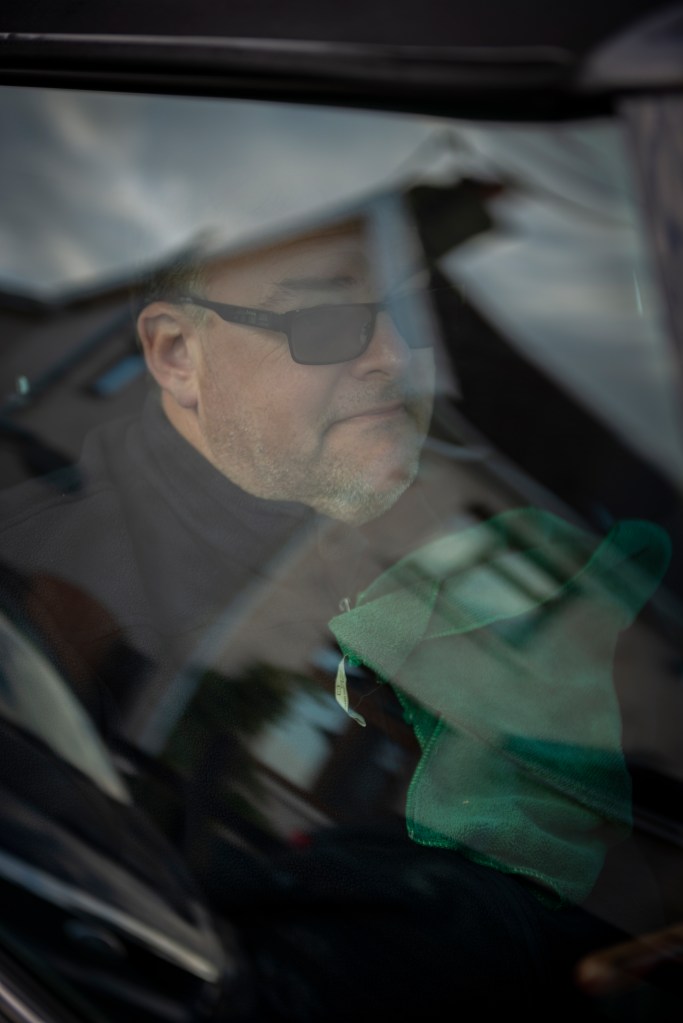
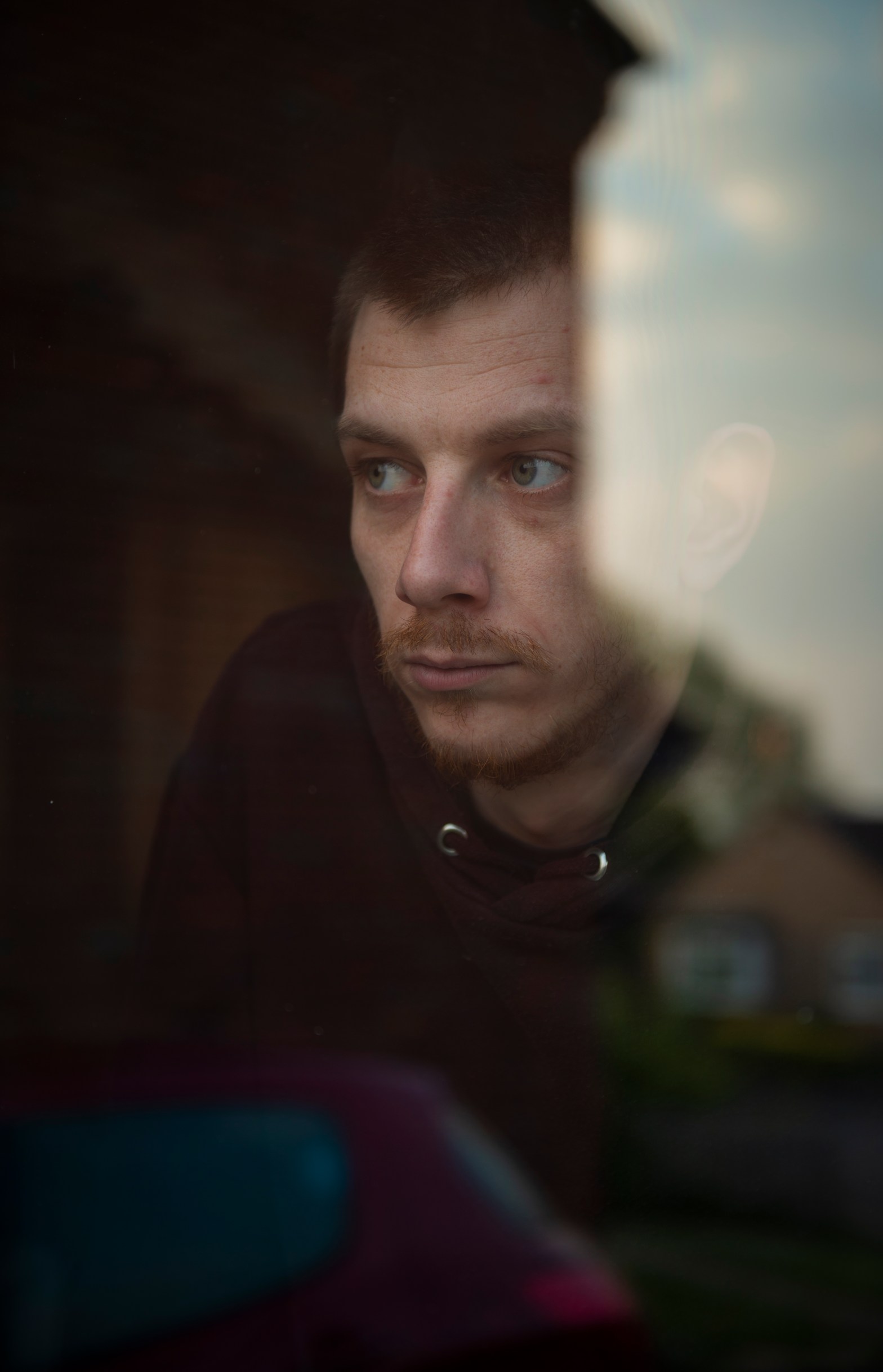
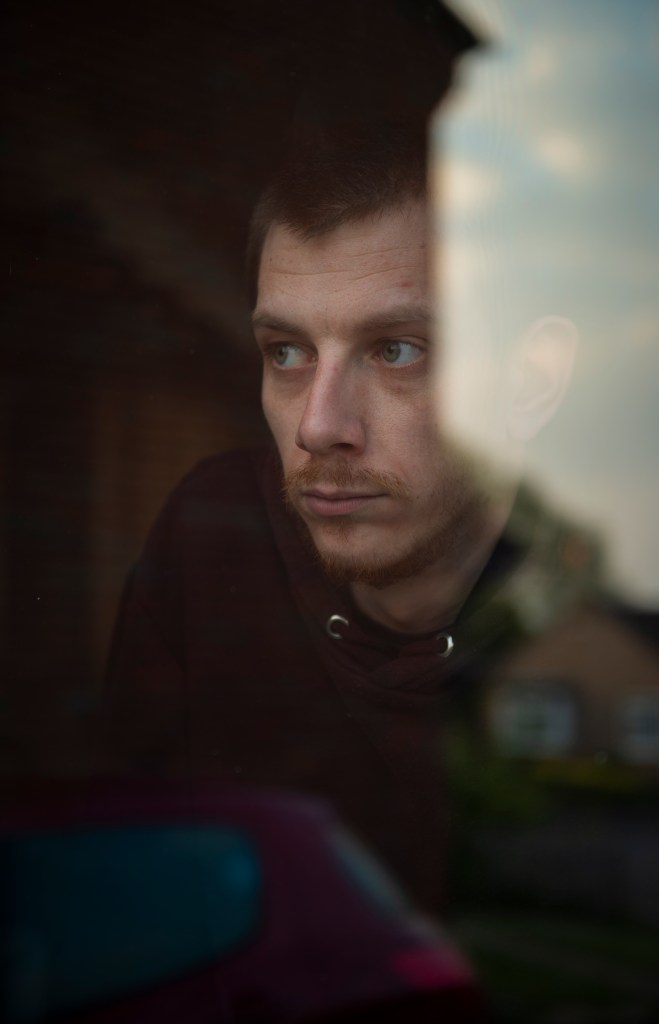
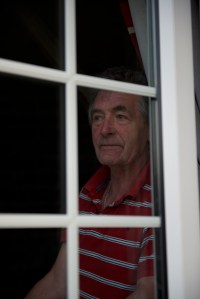
The last person at this house was sat in his car. He is always working on or in his car so to him this was more of a sanctuary than his house. That is were he wanted his photo. I was a little apprehensive that it would not fit with my other images but decided to experiment with the idea anyway. I do really like the reflection in this image. The window is not as flat and straight as the house windows so it distorted the shadow slightly. One thing I would change is that he was not close enough to the window to be as clear as I would have liked. I don’t think it is obvious that is is of a car as it could just be a normal window with a black frame.

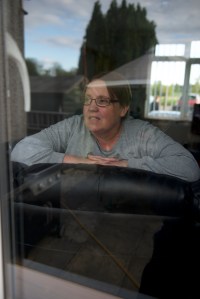
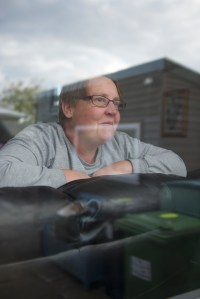
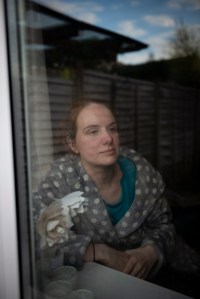
I then drove to my sisters house to take her portrait. This shoot was successful, the hardest part was that the cat kept getting in the shot! It was a big enough window that I tried a few different positions. I do like the left image, it clearly shows her face and therefore expression. But in all my other portraits I have included the sky to add more colour, so I think it is important to carry this on.

Looking at my final images from this shoot, I realise that the car portrait does not work as well with the rest. It is mainly because he does not stand out enough from the reflection. I am happy with the other two as they are carrying on the same techniques I have used in previous shoots.

VISUAL RESEARCH – VIVIAN MAIER

Recently the main visual research I have done is looking at how contemporary photographers have changed their practice due to the lockdown. Although this has been really helpful in seeing how others have overcome the social distancing and how I can improve my work, I think now I need to focus on photographers work who inspires me.

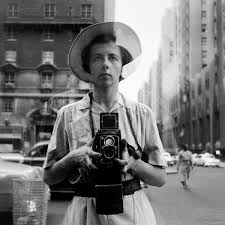
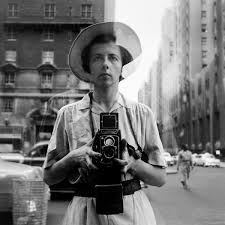
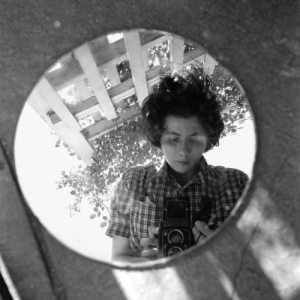
I have always liked Vivian Maier’s work. She took a lot of self portraits through reflection and now that is quite influential to my work.

This is favourite of her work. I have always like the way the reflection adds depth and it takes a while to work out what is reflection and what isn’t. The reflection almost distorts the image, as there is a second outline of her. She also stands out from the reflection as she is in sharp focus, whereas the background is slightly blurry.

Self-Portraits | Vivian Maier Photographer

Maier photographed mainly people and architecture in Chicago, New York and LA. Her life seemed private and secretive, yet her self portraits seem so much more personal. They show places and things she encounters in her days. They leave a lot to the viewers interpretation as there is not a lot of indication about where she is.

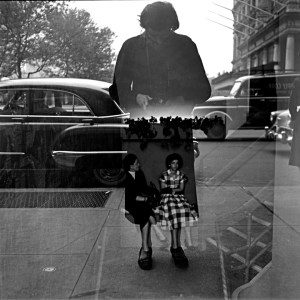
She uses reflection in different ways to what I have got used to doing. For example the left image. The use of angles has created a more intriguing image. The right photo, she has used the reflection to make more interesting perspective. Her silhouetted reflection towers over the figures inside. I like this one as the people inside look tiny compared to the large cars and buildings outside.

Maier has used reflection to document herself as she goes through her walks through the city. It makes them more interesting as you sometimes have to spend a bit longer at them to work out what is going on. This fits well with her secretive and private personality. What I have learnt from Vivian Maier’s work is how effective using reflection can be. Before this project I had not thought of it much. Now that I have, I realise how much it can add to a portrait.

THEORETICAL RESEARCH – VOYEURISM IN PHOTOGRAPHY

The ‘Train Your Gaze’ book by Roswell Angier talk about voyeurism in photography. This quote sums up what this means. ‘It is more about a peculiar point of view, based on a longing to possess that which one knows one cannot (and ultimately does not want to) have. The basic condition of the voyeurist scenario is distance, an essential separation between seer and seen. Despite this distance, which is by definition unbridgeable, despite the unrequitable nature of the desire that drives it, the voyeur’s gaze is a privileged one. He usually positions himself in a concealed and protected location: a dark corner, on the other side of a window or keyhole, behind a windshield, any place where his gaze cannot be reciprocated. The last thing he wants is contact with, or recognition by, the person he is looking at. He is the invisible guest.’ ‘Voyeurism is usually assumed to be a male activity. It is associated with pornography, as distinct from the erotic.’ I am going to look into two examples of photographers who use voyeurism in their photographs but in different ways.

There was an exhibition of sexual images taken by British women photographers called ‘What She Wants’. It began as an inquiry into the absence of erotic images of men taken by women. Only a few of the images in the exhibition were voyeuristic, one being by Diane Baylis. The photographer looks through a keyhole at a nude man. The actual subject doesn’t fill much of the frame as the key hole takes up much of the room, this emphasises the private space occupied by the photographer. The number of frames shown at the edge of the negative creates distance, reminding the viewer that it is just a photo. It feels wrong to look at the image as it feels we are invading on this mans private space. Displayed in broad daylight in the public space of the gallery, Baylis wanted people to become aware that other people were around them while they were looking at the large prints.

Daniela Rossell: Documenting the rich and famous Mexican youth ...

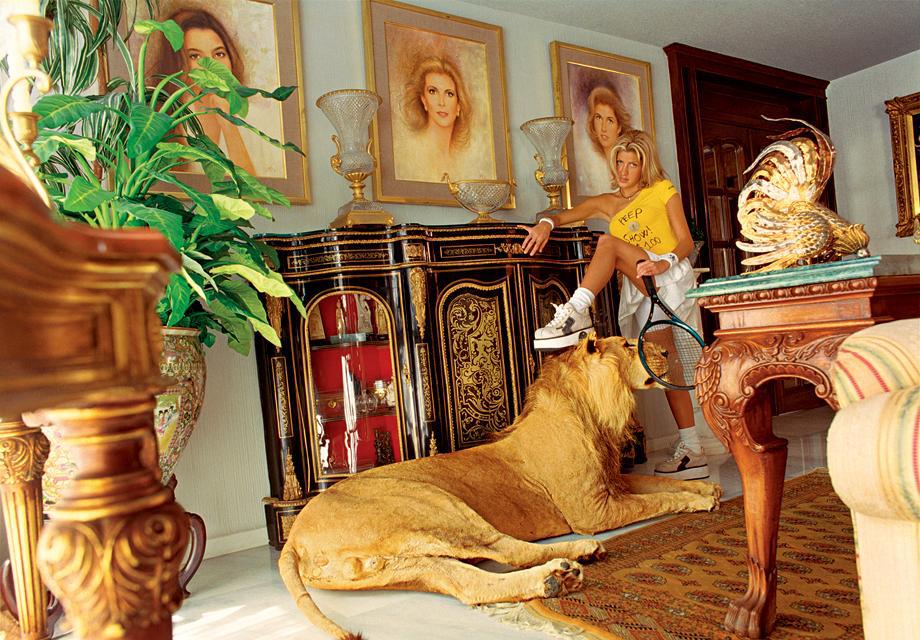
Daniela Rossell deals with the theme of voyeurism in a different way. Her project ‘Ricas Y Famosas’ is of the privileged class in Mexico, in their homes. The subject looks at the camera which means the photographers point of view is not private like in Baylis’ work. ‘Rossell’s subjects strip away the voyeurs cloak of safety. Beyond merely acknowledging or accepting the intrusion of the camera in their own world, they challenge us with their own gaze’. This is complete opposite to Baylis’ work as in hers we feel unseen, as said in the beginning, ‘the invisible guest’. In Rossell’s work the subject is very much aware. Her work might just seem like environmental portraits, but the relationship to voyeurism is complex. There is no secret position of the photographer but it doesn’t seem a coincidence that the subject wears a top saying “Peep Show! $1.00”. What makes it voyeuristic is the distance between us and the subject. As Angier says, ‘she may as well be on the other side of a locked window. She is completely out of reach.’

Voyeurism in relation to my work is similar. The window gives the viewer the secret view like in Baylis’ work. We feel like we are intruding in this persons personal space. This works well, right now you are not meant to be visiting other peoples house. Voyeurism seems wrong, you are looking at something that you don’t feel like you should. This links with the fact that currently we are not allowed to visit people and I am somewhat invading in peoples safe space, again the window giving me and the viewer, that privacy.

BOOK LAYOUT IDEAS

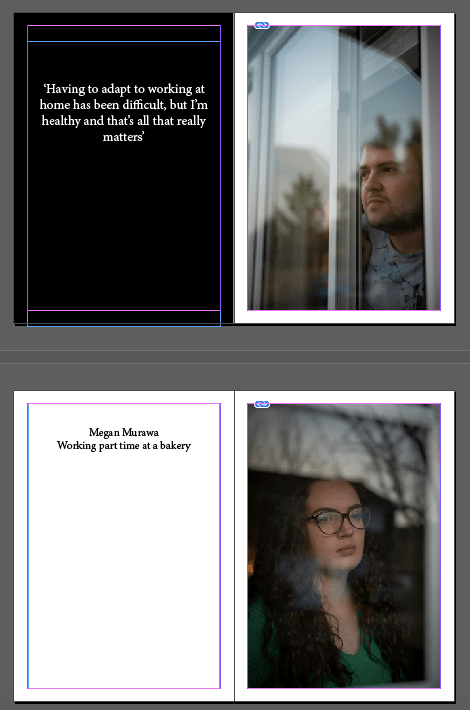
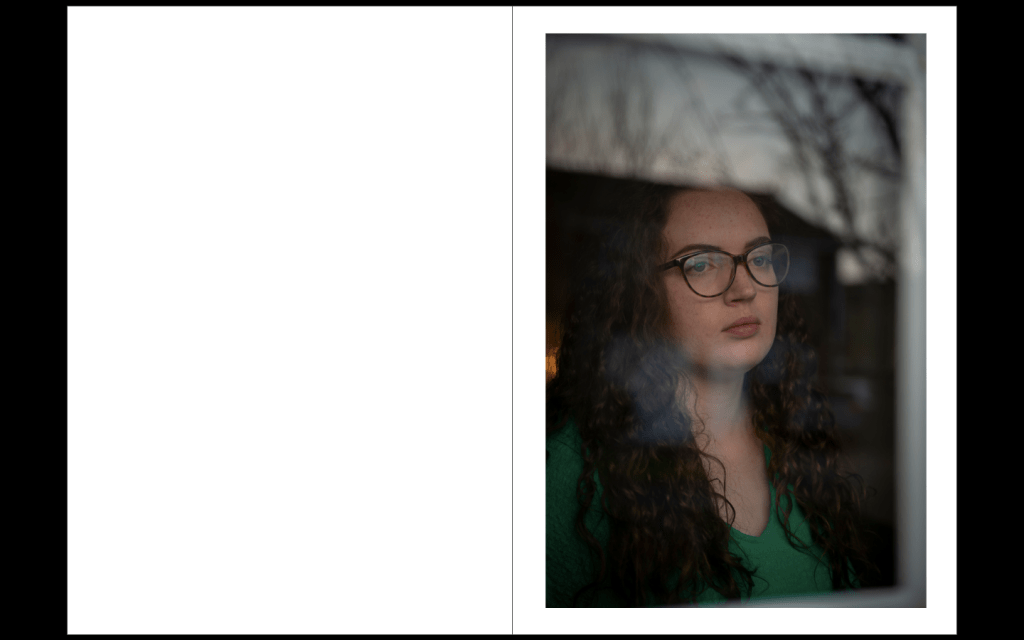
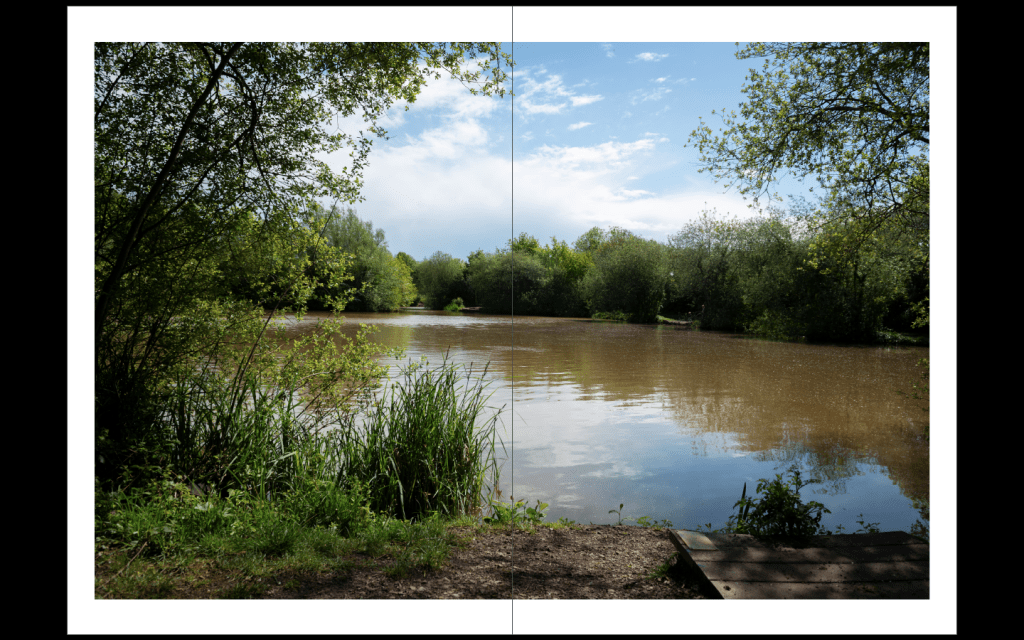
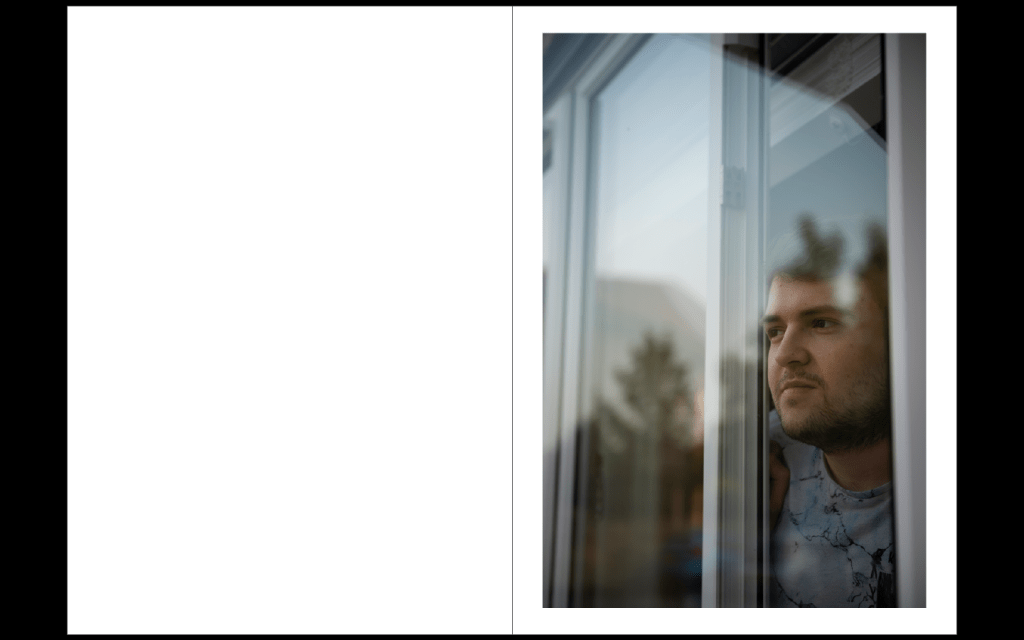
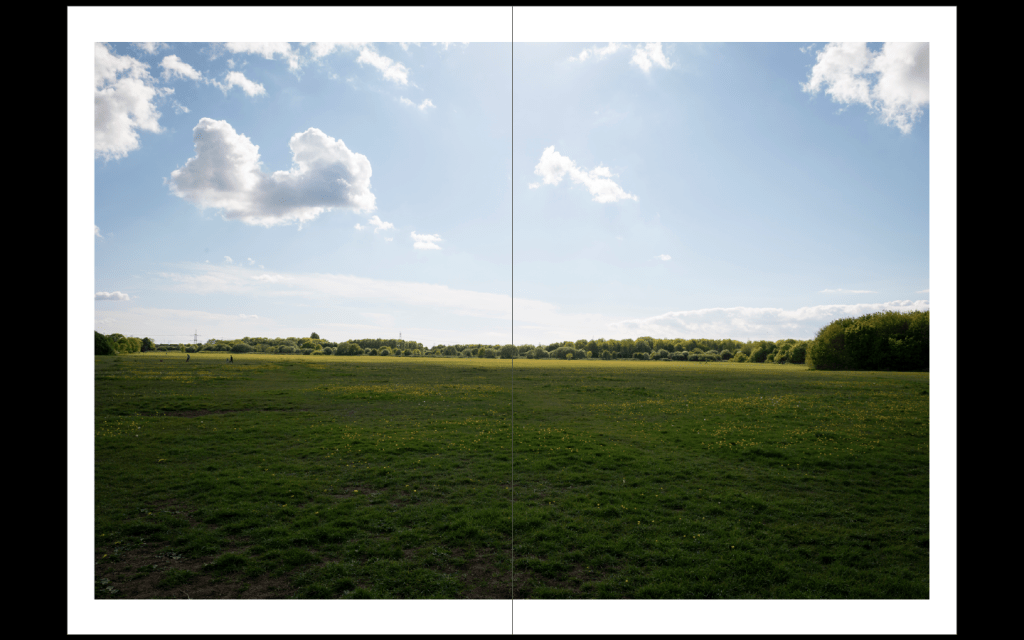
I now have 5 strong portraits and many more lined up. I also have some successful landscapes from my walks. Since I have had this book idea, I have always imagined that I would have the portrait on one page, followed by a double page landscape photo. This means each portrait is broken up between pages. Also the reflection in a lot of the windows shows trees and nature so it flows well into the the landscape image. It works well as showing the people longing for the outdoors. I put my images into InDesign to see how the different images work together and see a rough book layout design.

I am happy with how this looks. I think if I just displayed all the portraits it would be a bit repetitive. The landscapes in-between add more depth and will be more intriguing for the viewer. I might not put any text about why the landscapes are there so it would leave it to the viewer to make assumptions about the context. This is always interesting when viewing photography work.

The simply layout of portrait on one page followed by double page image works well as it allows each image to be fully appreciated. Only having one on each page means none of there is no distractions from each other.

I was worried that the landscapes looked a bit bright and sunny as I was trying to create more somber images. But I think making the landscapes look more pretty works better as it fits with my idea that this is what people are longing for.

SHOOT 11 (P2)

Although I might incorporate landscapes into my work, I have still focused on the portraits as this is the main part of the project and I plan for my main outcome to be big prints of the portraits. I contacted another person and her mum was also happy to be involved. Like every shoot, I did not take many photos as I did not want to stay there longer than I had to.

Like usual, I walked to the shoot in the evening for the best lighting, it was a bit cloudier this day but still bright enough. When I shoot people in the same house, I make sure I position them at different windows so that it has different reflection and sometimes different window frame.
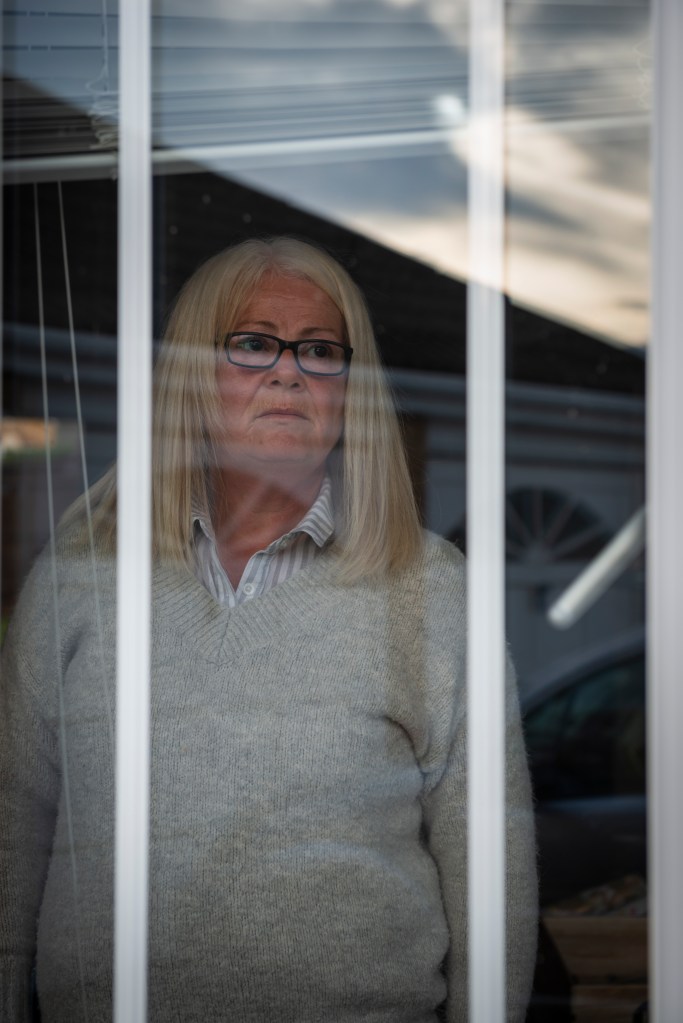
What I find frustrating about this project and the current time we are living in is there if the lighting of framing of the shoot isn’t good then there is only so much I can do to correct it. In this one I knew straight away that it wasn’t successful. Firstly I struggled with the reflection as it was too distracting in her face but the better angle I could be seen in the reflection. Next she did not have a lot of space to get close to the window and because of this, I don’t think she is enough in the frame.
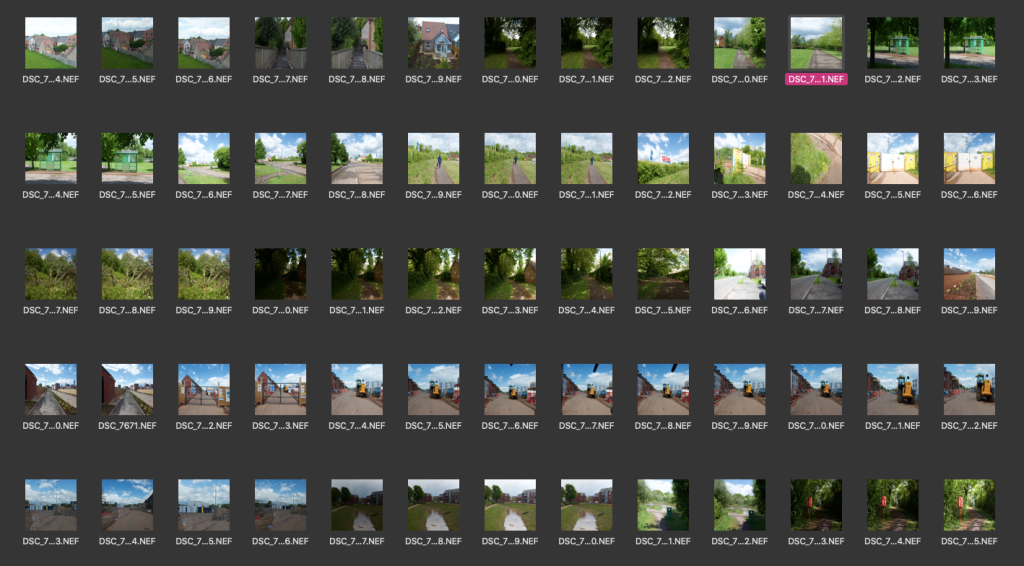
I then took photos of her mum, I used a different window which was easier to work with the reflection. What I realise I like from my previous shoots is when there is a bit of sky in the image and then a building or object. I think the sky breaks up the harsh lines of the window frame and buildings and adds more light and colour to the image. The only thing I question in this image is the blinds in the top. They’re tilted which makes it slightly distracting. I also think when I get to the editing stage I might crop in closer to her face. The garage in the reflection is a bit distracting on her face so if I was to make her face fill more of the frame and brighten it slightly, it might improve this.

Although one of the portraits was not successful, I am happy that I managed to get one that I can use as a final. Each shoot I am doing, I am learning what works best and I am also knowing when the image isn’t worth spending the time trying to correct lighting etc. Such as the first one where I could tell straight away that the composition wasn’t working.

VISUAL RESEARCH – HOW PEOPLE HAVE PHOTOGRAPHED THE SAME THING

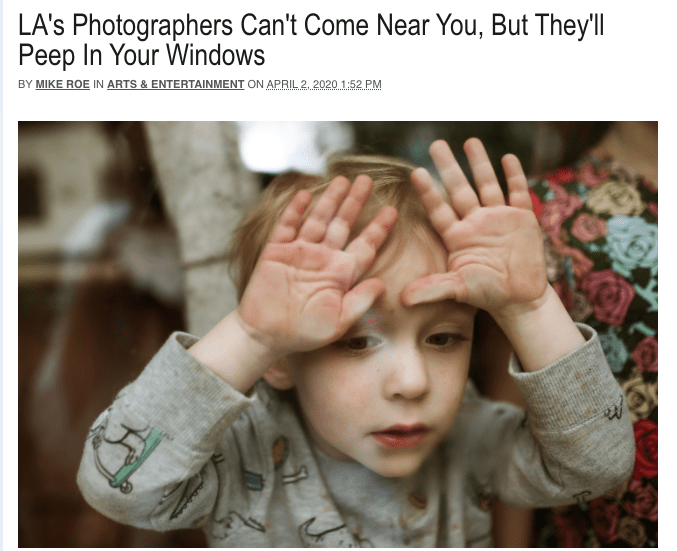
I read an article about photographers changing there are techniques during lockdown. When I started this new project this idea came to me through experimentation. Although we were told to ‘social distance’ there wasn’t an actual lockdown. After taking photos outside, I simply pointed my camera at my sister who was posing through a window. This obviously developed into an idea that fitted perfectly with the lockdown.

But since time has gone by, I have seen so many photographers doing the same thing. It is understandable that while in lockdown this is one of the only portraits you can take of other people. There is not much I can do about this apart from find ways to make mine stand out.

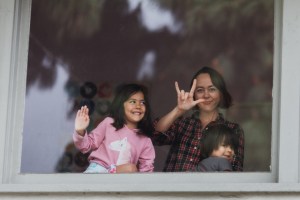
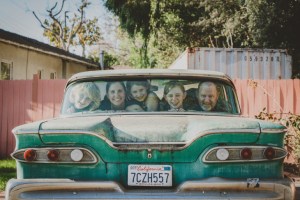
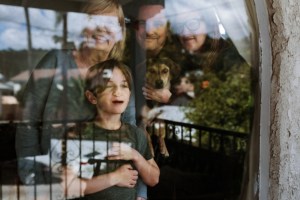
The first thing I have noticed in quite a few of the photographers I have researched is that the people in the images are smiling. I do like these, it is a nice way of documenting families in lockdown. It could be that they are simply documenting people and giving no instructions to keep it natural as possible. Or it could be that they are trying to show a positive look on the situation. The photos above, taken from an article, make it seem like the families are appreciating that they have more time to spend together. My work has a slightly different meaning behind it. There has been a lot of death, job loss and uncertainty, and so for me I think it is important to see the negative impacts on our life. I like that other photographers have shown the positives in the situations as I think this is currently what people need to see to feel more motived. Whereas with mine, I want people to look back in the future and start to see and understand the emotions that most people felt while in lockdown.

Photographer, Lisa Whiteman, says her images are all different and it is an interesting challenge to work out. She talks about how she thinks about how to use the window, the house and surroundings. In my project I have decided that getting close to the subject works best for me. Because I have done this in all my shoots they are more consistent than some others I have seen where they have include more of the persons house. As my aim is to have large prints of the portraits, I think having them all look similar could be more impactful. It is easy to see and compare their expressions.
I do agree with Whiteman says these images can only tell so much. One of her photos shows someone who is ‘undergoing cancer treatments, and can’t leave the house at all, and is dealing with this alone – but that definitely does not come through in the photo’. Coronavirus has affected pretty much everyones lives in some way or another. It is difficult to tell each story through just one portrait. It makes me think, is there a way I could incorporate text to add more depth to this project. I don’t usually like adding much text as I like the photos to portray the context but as these are such unusual times, people might be more interested if there was more on the stories of each person. Both people viewing it now, and in the future. I once went to a talk by Leonie Hampton where she talked about her work where she included videos and transcripts of conversation and I felt so much more engaged when looking at it.

PHOTOS FROM WALKS

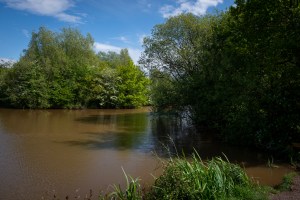
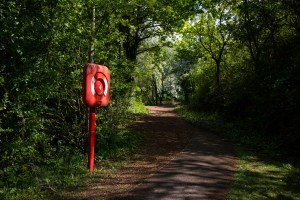
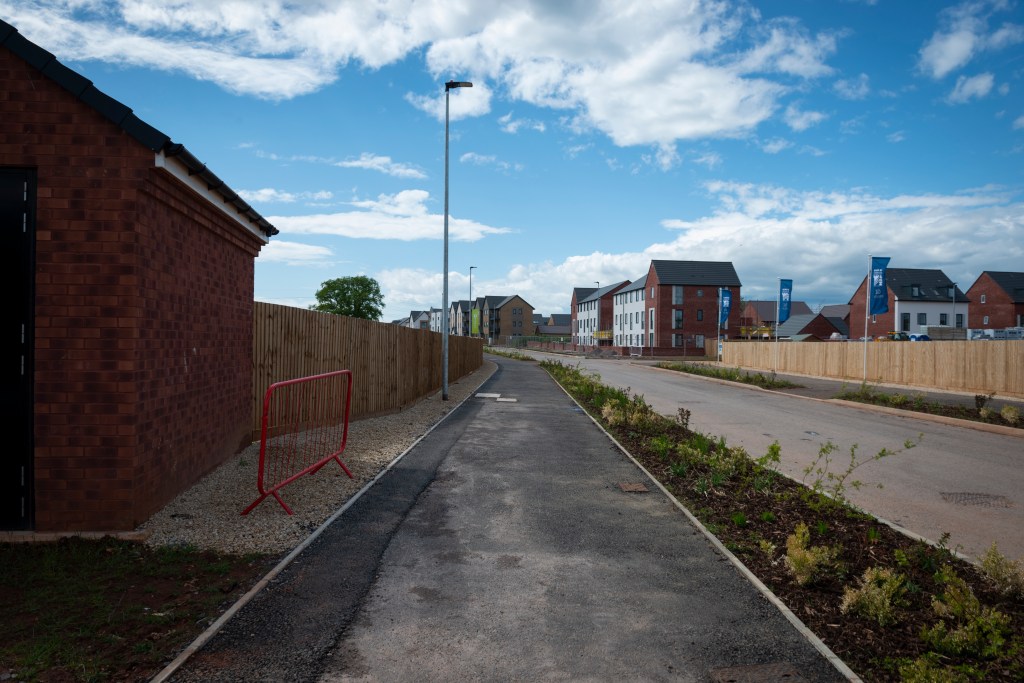
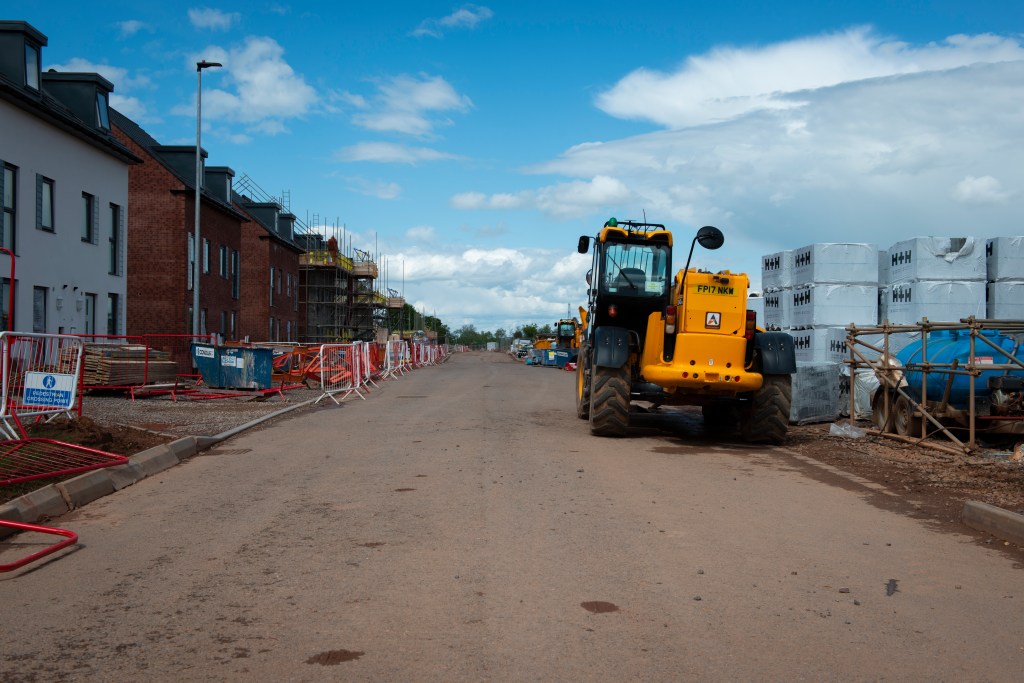
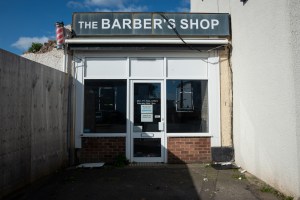
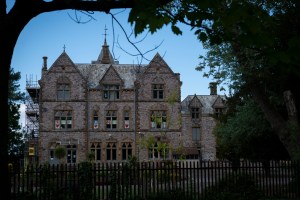
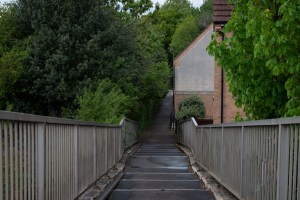
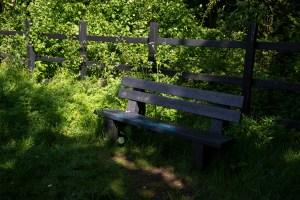
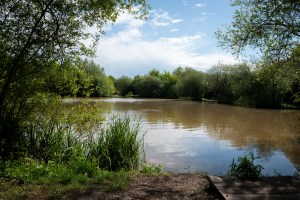
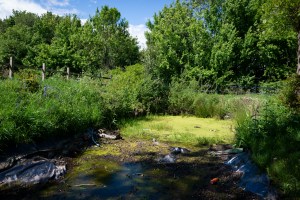
While I go on walks almost daily, I have been taking photos more just for myself. I thought that because I had so many I could include these into my project. As it wasn’t for any specific reason the photos are of different things I have found on my walks. Theres almost three different categories, nature, places that are normally busy but now not and other things like construction sites.

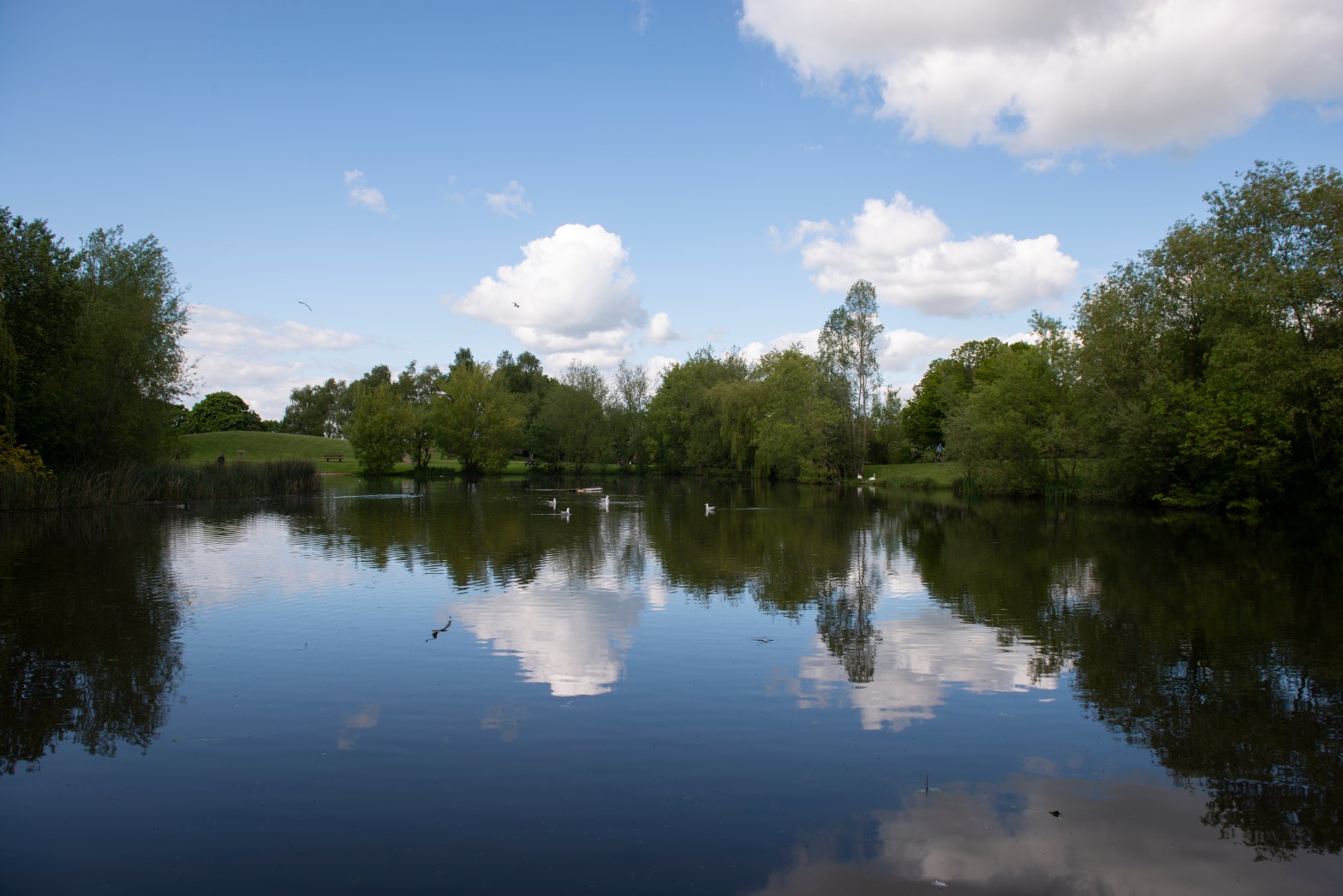
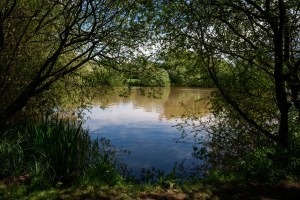
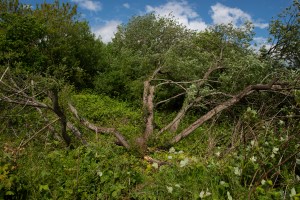
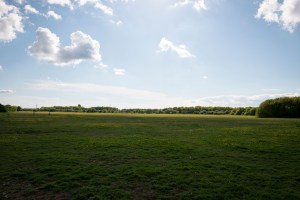
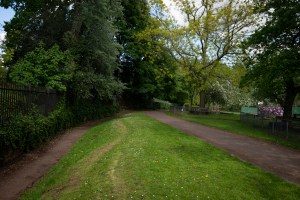
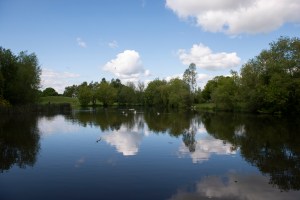
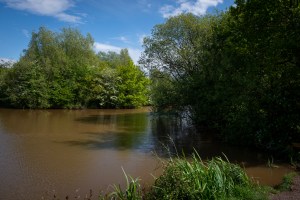
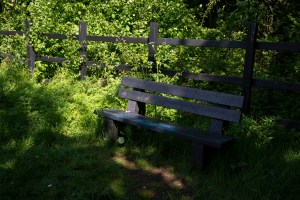
These are the more nature photos. To me they hold more meaning as I don’t normally spend much time in my hometown. So having time to walk more explore lets me appreciate what I live so close to. I feel like in this project and the current situation, the people who can’t go outside are probably longing to go outside and see more natural places.

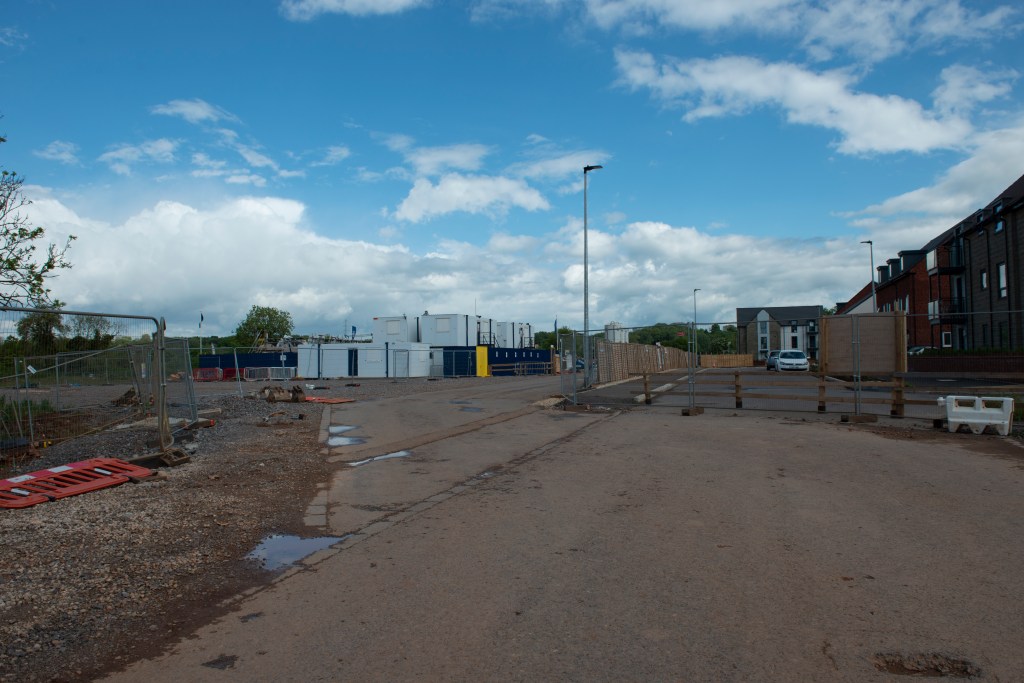
I think these photos are quite eerie/sad. There was meant to be a new big housing development being built, but all work stopped on it when the lockdown started. It shows how much everything was affected by Coronavirus. As some of the houses were almost finished there was probably people almost ready to move into them.

These are the random photos of places that are normally busy but now empty. I like this as again it shows how things have changed. It makes more sense for me though as it is places I usually visit. Like a shopping centre that should of had so many people there, the pub would of normally had loads of people in the garden and the steps are right by a school so would of had lots of people walking home. So for me it is clear to see the changes, whereas to someone viewing them who doesn’t know the area, it just looks like normal empty spaces. For that reason these wouldn’t be effective as part of the project.

For me the nature photos work best. My idea is to put them with the portraits, possibly in a photo book. In the portraits the people look longingly out the window and then on the next page is the landscape.

RESHOOTS

While I wait for responses from my social media post, I have reshot my portraits that could be improved.

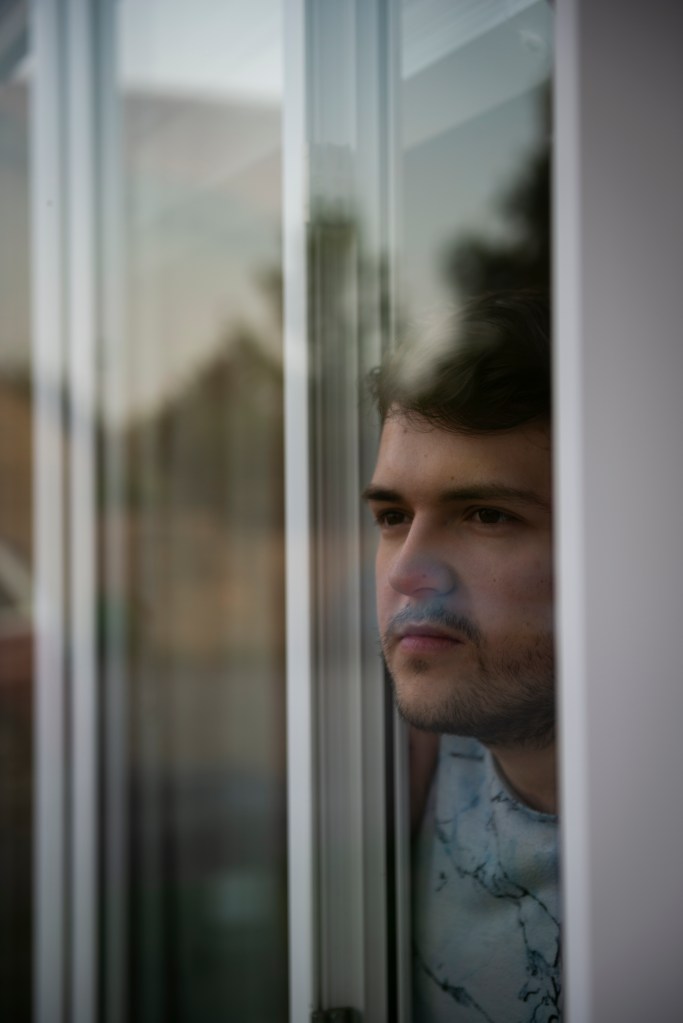
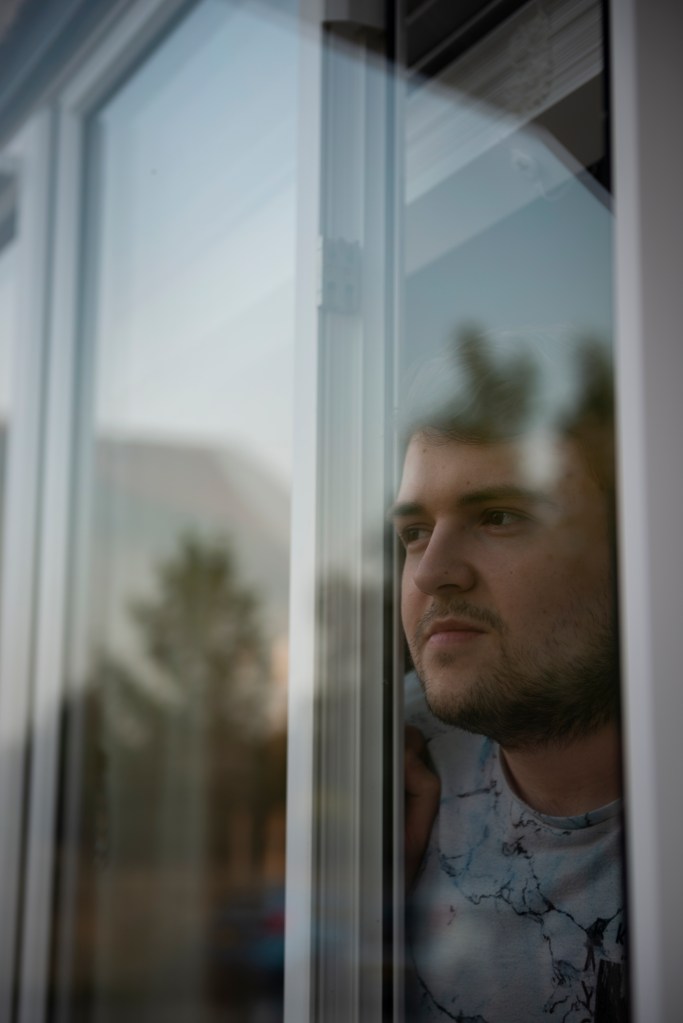
Firstly I reshot the ones of my brother. Although I liked the previous ones, he was looking at the camera. I tried to keep the composition and lighting the same and simply change how the subject is looking. The light wasn’t as good as the first shoot. I did go at the same time to get the photo as similar as possible but for unknown reasons the light had less yellow/orange tones. I could edit this in Photoshop.

I liked the first shoot I did of Jordan at his desk but as I have adapted and changed my idea it doesn’t fit anymore. It was taken further away and he also wasn’t close to the window so didn’t stand out as much. To begin with I thought this shoot wasn’t going to be successful as the reflection was too bright. Instead I stood to the side and opened the window (I live with this person so I could get closer). I then asked him to look out of the window . This captured both the reflection of the open window I was shooting through and also the one still closed. I like this as it adds more layer to the image.

This is my edited final. I added some warm tones to make up for the colder tones from the sun that evening.

I had a few good photos to choose from. I like the positioning of the first two but there was a blue car that reflected onto his face. This is quite distracting. To avoid this I took the image from below, looking up at him. This worked out well as it avoided any distracting colour on his face and also meant there was more of the sky in it. I like that his head fades into the tree line.

DEVELOPMENT

I have done a few shoots now as part of my new idea. I have put all the final images on the same page so I can reflect of what works best. Unfortunately there is a few shoots that were not successful, but it was something I could not control. I can control the reflection to some extent by choosing a specific time of day and changing the angle I am shooting at. But what I can’t change is what is behind me and that is what makes a lot of images not good. For example in one there was nothing to make an interesting reflection and in another there is too much that it is distracting from the main subject.

From my latest shoots and feedback from a group tutorial, having the subject not look at the camera and not smiling is so much more effective than in the ones were they look happy. It fits better with the context that they look more unhappy. Other feedback from the tutorial was positive though. The obvious point they said is that I need more portraits. I do have a few more people available to do it. There was also an idea that I could go back and photograph the same person more than once. I could see how they have changed and when displayed together could show that they have been there for a long time. I thought about this idea but sadly in the last few days one of the people has had to get tested for Coronavirus, I also took photos of her dad who lives in the same house. Because of this I think it is best to stay away from that house. Unless I find more people to let me take more than one picture, I might have to rule out this idea.

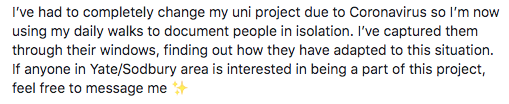
As I found out in some of my visual research, other photographers have found most people to photograph through social media. The people I have photographed so far has been friends and family so I decided to post on my Facebook and Instagram. I posted this message above followed by the successful images I have taken so far. I have asked my family to share the Facebook post so it can reach more people. Hopefully I get enough response to have a lot of portraits to choose from at the end.

Design a site like this with WordPress.com
Get started